13 Fundamental Vinyasa Yoga Poses For A Moving Meditation
I remember my first vinyasa class like it was yesterday. I walked in feeling stressed from a long day at work, expecting just another workout. But as I flowed through the poses, syncing each movement with my breath, something shifted. It wasn’t just exercise; it was like my mind quieted down, turning the mat into a space for reflection. That’s the magic of vinyasa yoga as a moving meditation—it pulls you into the present, one breath at a time. In this guide, we’ll dive into 13 essential poses that form the backbone of this practice, helping you build strength, flexibility, and that elusive inner calm.
What is Vinyasa Yoga?
Vinyasa yoga stands out for its fluid style, where poses link together like a dance guided by your breath. Often called “flow” yoga, it draws from ancient traditions but feels fresh and dynamic today. Think of it as a sequence where each inhale and exhale propels you forward, creating rhythm that keeps you engaged without overwhelming the senses.
The Essence of Moving Meditation in Yoga
Moving meditation transforms vinyasa from mere physical activity into a mindful journey. By focusing on breath and transitions, you quiet the mental chatter, much like sitting in stillness but with gentle motion. It’s perfect for those days when traditional meditation feels too static—here, your body becomes the anchor, fostering clarity and peace amid the flow.
Benefits of Practicing These Poses
Diving into these vinyasa staples isn’t just about looking good in yoga pants; it’s about real, tangible perks for body and mind.
- Builds core strength and endurance, helping you tackle daily tasks with more ease.
- Enhances flexibility in hips and hamstrings, reducing injury risk in other activities.
- Boosts cardiovascular health through rhythmic movements, like a gentle cardio session.
- Reduces stress by promoting mindfulness, leaving you refreshed rather than drained.
- Improves focus and balance, carrying over to work or hobbies outside the mat.
I once had a student who swore vinyasa helped her navigate a tough job transition— the poses taught her to breathe through discomfort.
1. Mountain Pose (Tadasana)
Stand tall with feet together, arms at sides, and gaze forward—it’s simpler than it sounds but sets the foundation for everything else. Engage your thighs, lift your chest, and imagine rooting down like a tree while reaching up. This pose grounds you, improving posture and preparing your breath for the flow ahead.
2. Forward Fold (Uttanasana)
From mountain, hinge at the hips and fold forward, letting your head hang heavy toward the floor. Bend your knees if hamstrings protest— no need to force it. This releases tension in the back and calms the nervous system, like hitting a reset button mid-flow.
3. Plank Pose (Kumbhakasana)
Step back into a high push-up position, body in one straight line from head to heels. Keep shoulders over wrists and core tight— it’s tougher than it looks but builds serious strength. Hold for a few breaths to fire up your entire body before transitioning deeper.
4. Chaturanga Dandasana
Lower from plank halfway down, elbows hugging your sides like a tricep push-up. Your body hovers parallel to the floor— drop to knees if needed to avoid sagging. This classic vinyasa move tones arms and core, teaching control in the midst of effort.
5. Upward Facing Dog (Urdhva Mukha Svanasana)
From chaturanga, press into hands to lift your chest, thighs off the mat, and gaze upward. Keep shoulders down and legs active— it’s a heart opener that counters desk hunch. Feel the stretch through your front body, invigorating your flow with fresh energy.
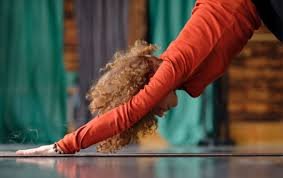
6. Downward Facing Dog (Adho Mukha Svanasana)
Push hips up and back into an inverted V, heels reaching toward the floor. Pedal your feet if calves are tight— this pose stretches everything from hamstrings to shoulders. It’s a staple reset in vinyasa, allowing a moment to breathe deeply and recenter.
7. Warrior I (Virabhadrasana I)
Step one foot forward into a lunge, back foot at 45 degrees, and raise arms overhead. Square your hips forward and sink low— it’s empowering, like channeling inner strength. This builds leg power and opens the chest, blending stability with grace.
8. Warrior II (Virabhadrasana II)
From Warrior I, open hips to the side, arms parallel to the floor, gazing over front hand. Keep front knee stacked over ankle— no wobbling here. It strengthens thighs and improves focus, turning your practice into a warrior’s mindful stance.
9. Child’s Pose (Balasana)
Kneel and fold forward, arms extended or by sides, forehead to mat. Let gravity do the work— it’s a gentle surrender amid the flow. Perfect for catching your breath, this restores energy and soothes the mind when things heat up.
10. Cobra Pose (Bhujangasana)
Lie on your belly, hands under shoulders, and lift chest while keeping hips down. Gaze forward without crunching the neck— a milder backbend than up dog. It opens the heart and strengthens the back, adding a layer of vitality to your sequence.
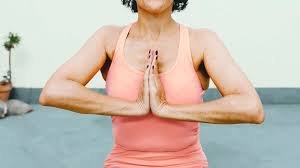
11. Tree Pose (Vrksasana)
Balance on one foot, place the other on inner thigh or calf, hands in prayer. Find a focal point to steady— wobbles are part of the fun. This enhances concentration and ankle stability, rooting you like a tree in the winds of distraction.
12. Bridge Pose (Setu Bandhasana)
Lie on back, feet flat, and lift hips while clasping hands underneath. Press into feet for support— it’s a back strengthener with hip-opening perks. Hold to release lower back tension, bridging the gap between effort and relaxation.
13. Corpse Pose (Savasana)
Lie flat, arms and legs relaxed, eyes closed— the ultimate integration pose. Let go of all effort; it’s where the meditation truly sinks in. Often the hardest for busy minds, but oh, the bliss when you surrender completely.
Sequencing These Poses for a Flow
Stringing these together creates that meditative magic. Start slow, build heat, then cool down. Here’s a sample beginner sequence:
| Step | Pose | Breaths Held |
|---|---|---|
| 1 | Mountain Pose | 5 |
| 2 | Forward Fold | 3 |
| 3 | Plank to Chaturanga | Transition on exhale |
| 4 | Upward Facing Dog | 3 |
| 5 | Downward Facing Dog | 5 |
| 6 | Warrior I (right side) | 5 |
| 7 | Warrior II (right side) | 5 |
| 8 | Return to Down Dog | Transition |
| 9 | Repeat Warriors left | 5 each |
| 10 | Child’s Pose | 5 |
| 11 | Cobra Pose | 3 |
| 12 | Tree Pose (both sides) | 5 each |
| 13 | Bridge Pose | 5 |
| 14 | Corpse Pose | 10+ |
Repeat the core vinyasa (plank through down dog) between standing poses for fluidity.
Comparison: Vinyasa vs. Hatha Yoga
Wondering how vinyasa stacks up? Both root in tradition, but differ in pace and focus.
| Aspect | Vinyasa Yoga | Hatha Yoga |
|---|---|---|
| Pace | Fast, flowing with breath | Slower, hold poses longer |
| Focus | Movement as meditation | Alignment and static holds |
| Intensity | Builds cardio and heat | Gentle, restorative emphasis |
| Best For | Energy boost, mindfulness in motion | Beginners, deep stretching |
| Class Length | 45-90 minutes | 60-75 minutes |
I switched from hatha to vinyasa when I needed more dynamism— it felt like upgrading from a walk to a jog.
Pros and Cons of Vinyasa Practice
Like any practice, vinyasa has its ups and downs. Weigh them to see if it fits your life.
Pros:
- Increases heart rate for better fitness without gym dread.
- Enhances mental clarity through breath-focused flow.
- Versatile for all levels with modifications.
- Fun and engaging, less likely to bore you.
Cons:
- Can be intense for beginners, risking strain if pushed.
- Requires coordination, which might frustrate at first.
- Sweaty sessions mean more laundry— humor me, it’s true.
- Not ideal if you prefer ultra-slow, introspective styles.
Overall, the pros outweigh for most, especially if you crave movement with meaning.
People Also Ask
Drawing from common searches, here are real questions folks google about vinyasa.
What are the basic poses in vinyasa yoga?
Core ones include plank, chaturanga, upward dog, and downward dog— the classic transition sequence. They link standing poses like warriors for a seamless flow.
Is vinyasa yoga good for beginners?
Absolutely, with modifications like knee-down chaturanga. Start slow to build confidence and avoid overwhelm.
How does vinyasa differ from other yoga styles?
It’s more dynamic than hatha, syncing breath to movement, unlike ashtanga’s fixed sequences.
What is moving meditation in yoga?
It’s practicing awareness through motion, turning flows into a meditative state without sitting still.
Can vinyasa help with stress?
Yes, the rhythmic breathing and focus reduce anxiety, much like a walking meditation but on the mat.
Where to Find Vinyasa Yoga Classes
Ready to try? Online options abound for convenience. Check out platforms like YogaWorks for certified flows [link to https://yogaworks.com/classes/vinyasa-yoga/]. Glo offers diverse sequences [link to https://www.glo.com/styles/vinyasa-flow]. For free, YouTube channels like “Yoga with Adriene” have beginner-friendly videos. Locally, search studios via apps like ClassPass. If you’re new, look for “beginner vinyasa” to ease in.
Best Tools for Your Vinyasa Practice
Gear up right to enhance your sessions. A good mat is key— Manduka’s PRO series tops lists for durability and grip during sweaty flows. For props, a block helps in warriors [internal link to /yoga-props-guide]. Apps like Down Dog customize sequences. Invest in breathable leggings to stay comfortable— no one wants distractions mid-pose.
FAQ
How often should I practice vinyasa yoga?
Aim for 3-5 times a week to see benefits without burnout. Listen to your body; rest days are crucial for recovery.
Can I do vinyasa if I’m not flexible?
Totally— flexibility comes with time. Use modifications and focus on breath over perfect form initially.
What’s the difference between cobra and upward dog?
Cobra keeps elbows bent and hips down, while up dog straightens arms and lifts thighs— both backbends, but up dog is more intense.
Is vinyasa yoga a good workout?
Yes, it combines strength, cardio, and flexibility for a full-body tone-up, often burning 300-500 calories per hour.
How long should I hold each pose?
In flow, it’s one breath per movement, but holds vary— 3-5 breaths for standing poses to build endurance.
Wrapping up, these 13 poses aren’t just positions; they’re gateways to a calmer, stronger you. I recall finishing my first full flow feeling invincible— like I’d meditated without trying. Give it a go on your mat today. For more tips, explore our [internal link to /beginner-yoga-sequences]. Namaste.