5 Reasons Why You Should Practice Hatha Yoga
Hey there, if you’re reading this, maybe you’re like I was a few years back—stuck in a desk job that left my back aching and my mind racing a mile a minute. I stumbled into a local yoga studio on a whim, thinking it’d be all pretzel poses and chanting. Instead, I discovered Hatha yoga, this gentle yet powerful practice that felt like a reset button for my whole being. It wasn’t about perfection; it was about showing up and breathing through it. Fast forward, and it’s become my go-to for staying grounded. In this article, we’ll dive into why Hatha yoga might just be the thing you need too—no fluff, just real talk on how it can transform your daily life.
What is Hatha Yoga?
Hatha yoga is one of the oldest branches of yoga, focusing on physical postures, breathing exercises, and a bit of meditation to balance your body and mind. Think of it as the foundation for many modern styles you see today, like a slower-paced workout that emphasizes holding poses rather than flowing quickly. It’s all about aligning your energy—’ha’ for sun and ‘tha’ for moon—to create harmony inside. Perfect for beginners, it builds strength without overwhelming you, and honestly, it’s what hooked me when I needed something sustainable.
Reason 1: Builds Flexibility and Strength Without the Burnout
One of the top perks of Hatha yoga is how it gently stretches and tones your muscles, making everyday movements feel easier over time. Unlike high-intensity workouts that leave you sore for days, Hatha eases you in with poses held for breaths, not minutes on end. I recall my first class where I could barely touch my toes—now, it’s second nature, and my posture’s never been better.
Reason 2: Melts Away Stress and Sharpens Your Mind
In our always-on world, Hatha yoga acts like a mental vacation, using deep breathing to calm the nervous system and reduce anxiety. Studies show it lowers cortisol levels, that pesky stress hormone, helping you think clearer and sleep sounder. Picture this: after a chaotic day, I unroll my mat, focus on my breath, and suddenly the worries fade—it’s like hitting pause on life’s chaos, with a touch of inner peace thrown in.
Reason 3: Supports Heart Health and Boosts Circulation
Regular Hatha practice gets your blood flowing better, which can lower blood pressure and strengthen your heart without the cardio sweat. It’s low-impact, so it’s kind to your joints while improving overall cardiovascular function. My aunt, who’s in her 60s, swears by it for keeping her energy up; she started after a doctor’s nudge, and now her check-ups are glowing—proof that small, consistent moves pay off big.
Reason 4: Enhances Skin Glow and Detoxifies from Within
By boosting circulation and encouraging sweat, Hatha yoga helps flush toxins, leading to clearer, more radiant skin. It’s not magic, but the improved oxygen flow nourishes cells, reducing inflammation and that dull look. I noticed my complexion perking up after a month; no more relying on fancy creams—just consistent practice, and it felt like my body was thanking me with that natural shine.
Reason 5: Prepares You for Deeper Mindfulness and Spiritual Growth
Beyond the physical, Hatha sets the stage for meditation by disciplining the body, opening doors to higher awareness and inner balance. It’s about purifying energy channels for that sense of connection and purpose. For me, it turned casual stretches into moments of reflection; one session led to journaling insights that shifted my outlook—humorously, it made me less of a grump in traffic too.
Hatha Yoga vs. Vinyasa: Which Fits Your Style?
If you’re torn between styles, here’s a quick breakdown to help decide. Hatha is slower and more static, ideal for building foundations, while Vinyasa flows dynamically like a dance.
| Aspect | Hatha Yoga | Vinyasa Yoga |
|---|---|---|
| Pace | Slow, with holds | Fast, flowing sequences |
| Focus | Strength, alignment, breath | Cardio, transitions, energy |
| Best For | Beginners, relaxation | Experienced, endurance building |
| Intensity | Gentle to moderate | Moderate to high |
| Benefits | Flexibility, stress relief | Heart health, calorie burn |
This comparison shows Hatha as the chill cousin—great if you’re easing in, like I did to avoid burnout.
Getting Started: Essential Hatha Yoga Poses for Beginners
Ready to try? Start with these simple poses to build confidence. Grab a mat and breathe deeply—modifications are your friend.
- Mountain Pose (Tadasana): Stand tall, feet together, arms at sides. It grounds you and improves posture—my starting point every session.
- Downward Dog (Adho Mukha Svanasana): From all fours, lift hips high, forming an inverted V. Stretches hamstrings and relieves tension.
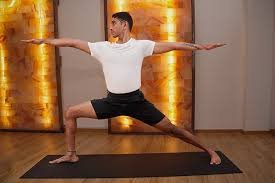
- Warrior II (Virabhadrasana II): Lunge forward, arms extended, gaze over front hand. Builds leg strength and focus—feels empowering.
- Child’s Pose (Balasana): Kneel, fold forward, arms out. A restful reset when things get intense.
- Corpse Pose (Savasana): Lie flat, relax everything. Ends practice, integrating benefits—don’t skip this bliss.
These are from classic sequences; practice 20-30 minutes daily for noticeable changes.
Pros and Cons of Hatha Yoga Practice
Like anything, Hatha has its ups and downs. Weigh them to see if it clicks for you.
Pros
- Accessible for all ages and fitness levels—no prior experience needed.
- Reduces chronic pain, like back issues, through gentle alignment.
- Improves mental health, fostering calm and better sleep patterns.
- Low-cost; just a mat and online videos to start.
- Builds community in classes, adding social perks.
Cons
- Slower pace might bore thrill-seekers craving intensity.
- Requires consistency for results—not a quick fix.
- Potential for minor strains if form’s off; learn from pros.
- Less cardio focus, so pair with walks for full fitness.
Overall, the pros outweigh for long-term wellness, in my experience.
People Also Ask
Drawing from common Google queries, here are straight answers to what folks wonder about Hatha yoga.
What is the difference between Hatha and Vinyasa yoga?
Hatha is slower, emphasizing held poses and breath for balance, while Vinyasa links movements fluidly for a more energetic flow. Both stem from Hatha roots, but Vinyasa amps up the cardio.
Is Hatha yoga good for beginners?
Absolutely—its gentle approach builds basics without overwhelm, making it ideal for newbies like I was. Start slow, and you’ll gain confidence quickly.
What are the benefits of practicing Hatha yoga regularly?
From flexibility to stress reduction and better heart health, it holistically boosts physical and mental well-being. Regular sessions can even enhance focus and energy.
How often should you practice Hatha yoga?
Aim for 2-3 times a week to start, building to daily for deeper benefits—listen to your body to avoid overdoing it.
Best Tools for Your Hatha Yoga Journey
To make practice easier, invest in quality gear. A non-slip mat is essential—check options like the Manduka PRO for durability (affiliate link: Manduka). Props like blocks and straps help with alignment; brands like Hugger Mugger offer beginner kits. For apps, try Yoga International for guided classes. These tools turned my home setup into a mini studio.
Where to Find Hatha Yoga Classes Near You or Online
Locally, search studios via Yoga Alliance directories or apps like ClassPass. Online, platforms like Glo or DoYogaWithMe offer free and paid Hatha sessions. I started with YouTube channels like Yoga with Adriene—accessible and fun. For in-person, community centers often have affordable options.
FAQ
Can Hatha yoga help with weight loss?
Yes, combined with diet, its poses build muscle and boost metabolism, though it’s more about toning than intense calorie burn.
Is Hatha yoga suitable for seniors?
Definitely—its low-impact nature supports joint health and balance, with modifications for mobility.
What should I wear to a Hatha yoga class?
Comfortable, breathable clothes like leggings and a fitted top; avoid anything too loose that might slip.
How does Hatha yoga differ from other yoga types?
It’s foundational, focusing on basics, unlike faster styles—perfect for depth over speed.
Does Hatha yoga include meditation?
Often yes, ending with relaxation or short mindfulness to integrate the practice.
Wrapping up, Hatha yoga isn’t just exercise—it’s a lifeline for balance in a hectic world. Whether you’re chasing flexibility or peace, these reasons show why it’s worth a shot. I encourage you to try a class; who knows, it might change your routine like it did mine. For more on yoga basics, check our guide to beginner poses. Stay bendy!