5 Reasons Why You Should Practice Hatha Yoga
Hey there, friend. Let me take you back a few years to when I was juggling a high-pressure job, endless coffee runs, and barely enough sleep to function. I felt like a hamster on a wheel—exhausted, stiff, and mentally foggy most days. Then, on a whim, I signed up for a local Hatha yoga class after a coworker raved about it. Skeptical at first (I mean, who has time for “om” chants?), I rolled out my mat and gave it a shot. By the end of that first session, something shifted. My back didn’t ache as much, my mind quieted down, and I slept like a baby that night. Fast forward, and Hatha yoga has become my go-to for staying grounded. If you’re reading this, maybe you’re in a similar spot—curious about yoga but overwhelmed by all the styles out there. Well, Hatha is a fantastic starting point, blending gentle poses with breathwork for real, tangible benefits. In this article, we’ll dive into five solid reasons to give it a try, backed by what I’ve experienced and what experts say. Trust me, it’s not just stretching; it’s a game-changer for body and mind.
What is Hatha Yoga?
Hatha yoga is one of the oldest branches of yoga, focusing on physical postures, breathing exercises, and meditation to balance the body and mind. The word “Hatha” comes from Sanskrit, where “ha” means sun and “tha” means moon—symbolizing the harmony of opposing energies like strength and flexibility. It’s often seen as the foundation for many modern yoga styles, emphasizing slow, deliberate movements that build awareness and prepare you for deeper practices.
The History Behind Hatha Yoga
This practice traces back to ancient texts like the Hatha Yoga Pradipika from the 15th century, where it was described as a way to purify the body for spiritual growth. Over time, it evolved from esoteric techniques in India to a global wellness staple, thanks to pioneers like Swami Sivananda who made it accessible. Today, it’s practiced worldwide, blending tradition with science-backed benefits for everyday health.
Key Practices in Hatha Yoga
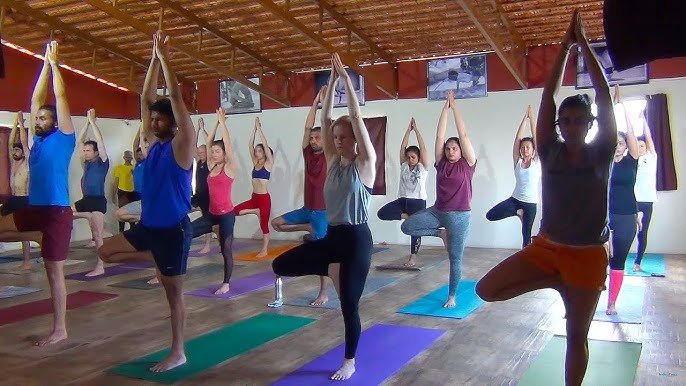
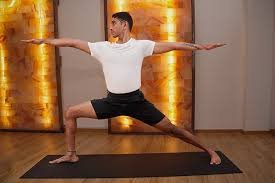
At its core, Hatha involves asanas (poses) like downward dog or warrior, pranayama (breath control) for energy flow, and mudras (gestures) to channel vitality. These elements work together to cleanse the body, strengthen muscles, and calm the nervous system. Unlike faster flows, Hatha encourages holding poses to build endurance and mindfulness.
Reason 1: Boosts Physical Flexibility and Strength
Picture this: after a few weeks of Hatha, I could touch my toes without groaning—something I hadn’t done since high school gym class. This style gently stretches tight muscles while building core strength through held poses, making everyday movements easier and reducing injury risk. It’s like giving your body a tune-up, improving posture and joint health over time.
How Hatha Builds Muscle Tone
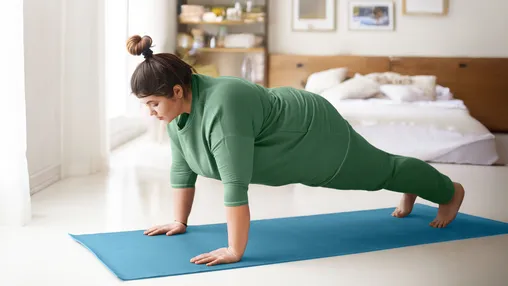
Regular practice tones your arms, legs, and back without the intensity of weights. Poses like plank or bridge engage multiple muscle groups, enhancing endurance. Studies show it can even increase bone density, especially helpful as we age.
- Improved Range of Motion: Loosens hips and spine for better mobility.
- Core Stability: Strengthens abs to support your back.
- Joint Health: Reduces stiffness in knees and shoulders.
Pros and Cons of Hatha for Physical Fitness
Pros: Gentle on beginners, customizable with props, long-term strength gains.
Cons: Slower pace might bore thrill-seekers, requires consistency for visible results.
Reason 2: Enhances Mental Clarity and Focus
One day, mid-pose, I realized my racing thoughts had slowed to a trickle—pure magic in our distraction-filled world. Hatha yoga sharpens the mind by syncing breath with movement, fostering concentration that spills into daily life. It’s like hitting reset on brain fog, helping you tackle tasks with sharper focus.
The Science of Mental Benefits
Research from places like Harvard links yoga to better cognitive function, thanks to reduced cortisol and increased brain-derived neurotrophic factor. Hatha, with its meditative holds, trains your brain to stay present, combating anxiety and boosting problem-solving skills.
| Aspect | Hatha Yoga Impact | Daily Life Benefit |
|---|---|---|
| Concentration | Improves through breath awareness | Better work productivity |
| Memory | Enhances via mindfulness | Easier recall of details |
| Emotional Regulation | Balances mood swings | Less reactive to stress |
Reason 3: Reduces Stress and Promotes Relaxation
Remember that overwhelming workweek? Hatha became my escape hatch, melting tension like butter on toast. By activating the parasympathetic nervous system, it lowers stress hormones, leaving you calmer and more resilient. A little humor: who knew child’s pose could feel like a mini-vacation?
Techniques for Stress Relief
Breathing exercises like alternate nostril breathing calm the mind instantly. Combined with restorative poses, it eases chronic stress, improving sleep and emotional balance. Users often report feeling “lighter” after sessions, a testament to its soothing power.
- Deep Relaxation: Savasana at the end seals in peace.
- Mood Boost: Releases endorphins naturally.
- Anxiety Reduction: Grounds you in the moment.
Comparing Hatha to Vinyasa for Stress Management
Hatha is slower and more introspective, ideal for unwinding, while Vinyasa’s flow builds heat and energy—great for energizing but potentially overwhelming if you’re already stressed. If calm is your goal, Hatha’s your friend.
Reason 4: Increases Energy Levels and Vitality
I used to crash by afternoon, but Hatha flipped that script—suddenly, I had steady energy without the caffeine jitters. It optimizes prana (life force) through breath and poses, revitalizing your system and combating fatigue. Think of it as recharging your internal battery.
Energy-Boosting Mechanisms
Pranayama techniques oxygenate blood, while inversions like shoulder stand improve circulation. This leads to sustained vitality, unlike quick fixes that crash later. External links to studies, like those on Healthline, confirm yoga’s role in fighting tiredness.
Pros: Natural energy without stimulants, better sleep cycles.
Cons: Initial sessions might tire beginners, needs regular practice.
Reason 5: Fosters Overall Well-Being and Longevity
Over time, Hatha wove into my life like an old friend, nurturing not just my body but my spirit too. It promotes holistic health—physical, mental, emotional—leading to a longer, happier life. Emotional appeal: it’s about thriving, not just surviving, connecting you deeper to yourself.
Long-Term Health Gains
From heart health to immune boosts, benefits compound. A table of comparisons:
| Benefit | Hatha Yoga | General Exercise |
|---|---|---|
| Heart Health | Lowers blood pressure | Similar, but less mindful |
| Immunity | Enhances via stress reduction | Variable |
| Longevity | Supports through balance | Focuses more on cardio |
- Holistic Integration: Mind-body harmony.
- Community Aspect: Classes build connections.
- Preventive Care: Wards off chronic issues.
Hatha Yoga vs. Vinyasa: Which Suits You?
Both share roots, but Hatha is slower, focusing on alignment and breath—perfect for beginners or recovery days. Vinyasa links poses with flow, building heat for cardio benefits. If you’re after mindfulness, Hatha’s deliberate pace wins; for a workout vibe, try Vinyasa. From my experience, mixing them keeps things fresh.
Where to Start Your Hatha Yoga Journey
Ready to roll out that mat? For online classes, check Glo’s Hatha sequences or Isha Foundation’s programs—they’re accessible and guided by experts. Locally, search for studios via apps like ClassPass. Navigational tip: Rishikesh in India is a hotspot for authentic retreats if you’re traveling.
Best Tools for Practicing Hatha Yoga
A good mat makes all the difference—opt for non-slip ones like JadeYoga Harmony for grip during holds. From reviews, Liforme’s alignment markers help beginners. Transactional picks: Manduka PRO for durability, or eco-friendly cork mats from Yoloha. Pair with blocks for support.
People Also Ask
What is the difference between Hatha and Vinyasa yoga?
Hatha is slower with held poses for strength and alignment, while Vinyasa flows dynamically with breath. Hatha suits beginners; Vinyasa adds cardio.
Is Hatha yoga good for beginners?
Absolutely—its gentle pace allows time to learn proper form without overwhelm. Start with basics like mountain pose for confidence.
What are the benefits of Hatha yoga?
From flexibility to stress relief, it improves posture, boosts mood, and enhances sleep. Regular practice can even aid heart health.
How often should I practice Hatha yoga?
Aim for 2-3 times a week to see benefits, but daily short sessions work too. Listen to your body to avoid burnout.
Can Hatha yoga help with weight loss?
Yes, combined with diet—it builds muscle and mindfulness around eating. Not as intense as hot yoga, but sustainable for long-term results.
FAQ
What should I wear to a Hatha yoga class?
Comfortable, breathable clothes like leggings and a fitted top. Avoid anything too loose that might get in the way during poses.
Do I need any equipment for Hatha yoga?
A mat is essential; props like blocks or straps help modify poses. Many studios provide them, but owning your own builds consistency.
Is Hatha yoga safe for everyone?
Generally yes, but consult a doctor if you have injuries. Modifications make it adaptable for all ages and fitness levels.
How long is a typical Hatha yoga session?
Classes run 45-90 minutes, including warm-up, poses, and relaxation. Home practices can be shorter for busy days.
Can Hatha yoga improve sleep?
Definitely—its relaxing effects reduce insomnia. Evening sessions with forward bends prep your body for restful nights.
In wrapping up, Hatha yoga isn’t just a trend; it’s a timeless tool for better living. From my own transformation to the countless stories I’ve heard, it delivers on flexibility, peace, and vitality. Give it a try—you might just find yourself hooked, like I did. Namaste.