Ashtanga Yoga: Origin, Philosophy, Six Series
Hey there, friend. Imagine this: It’s dawn in a quiet room in Mysore, India, the air thick with the scent of incense and the soft rhythm of breaths syncing like waves on a shore. That’s where I first stumbled into Ashtanga yoga over a decade ago, bleary-eyed and jet-lagged, thinking I’d just try it for the adventure. Little did I know, this flowing practice would become my anchor through life’s chaos—deadlines, heartbreaks, and those endless “what now?” moments. Ashtanga isn’t just poses; it’s a conversation between your body, breath, and that nagging inner voice. In this deep dive, we’ll trace its roots, unpack its wisdom, and walk through the six series that make it a lifelong journey. Whether you’re a curious newbie or a seasoned sweats-a-lot practitioner, let’s roll out the mat together and see what unfolds.
The Ancient Roots of Ashtanga Yoga
Ashtanga yoga didn’t pop up in a trendy studio overnight—its story winds back through dusty texts and resilient teachers who turned philosophy into sweat-soaked reality. Picture ancient sages in India, scribbling wisdom on palm leaves around 200 BCE, laying the groundwork in Patanjali’s Yoga Sutras. Fast-forward to the 20th century, when a young K. Pattabhi Jois absorbed these teachings from his guru, Tirumalai Krishnamacharya, in the royal palace of Mysore. Jois refined it into the dynamic system we know today, opening his Ashtanga Yoga Research Institute in 1948. It’s like inheriting a family recipe and tweaking it just enough to feed a global feast.
This origin tale isn’t just history; it’s a reminder that Ashtanga evolved from hatha yoga traditions, blending Indian wrestling drills and British gymnastics influences into something profoundly transformative. I remember my first trip to Mysore, wandering those palace grounds, feeling the weight of centuries in every step. It’s humbling—knowing this practice has shaped warriors, scholars, and everyday folks like us for generations.
What draws people in? The lineage feels alive, passed from Krishnamacharya to Jois, now carried by his grandson Sharath Jois. It’s not frozen in time; it’s a living thread connecting us to something bigger.
Core Philosophy: The Eight Limbs in Motion
At its heart, Ashtanga yoga dances to the tune of Patanjali’s eight limbs, a blueprint for living fully without losing your cool. “Ashta” means eight, “anga” means limbs—think of it as yoga’s full-body workout for the soul. Jois emphasized starting with asana (postures) to build the strength for the deeper stuff, but it’s all interconnected: yamas (ethical restraints like non-violence), niyamas (personal observances like self-study), pranayama (breath control), and so on, up to samadhi (blissful union). It’s less a checklist, more a spiral—circling back as you grow.
I chuckle thinking about my early days, fumbling through poses while ignoring the yamas, snapping at traffic like it owed me money. Ashtanga taught me patience the hard way, turning breath into a bridge between frustration and flow. The philosophy whispers, “Practice, and all is coming,” Jois’s famous line that still gets me through tough binds.
This isn’t abstract theory; it’s practical magic. Bandhas (energy locks) and drishti (focused gaze) ground the wild mind, while vinyasa (breath-linked movement) heats the body like a forge, purifying from the inside out. It’s yoga as alchemy—base metal to gold, one exhale at a time.
The Magic of the Six Series
Ashtanga’s six series are like chapters in an epic novel, each building on the last with escalating drama and depth. You don’t rush through; mastery comes slow, like savoring a fine meal. Every practice kicks off with sun salutations—A and B—to wake the body, flows into standing poses, dives into the series’ seated heart, and seals with a cooling close. It’s fixed, yet endlessly personal—your body dictates the pace.
Back when I was grinding through the primary series, I’d hit that wall around navasana (boat pose), legs shaking like I’d run a marathon. But sticking with it? Game-changer. These series aren’t about Instagram flexes; they’re tools for detox, nerve cleansing, and divine stability. Only a handful ever touch the advanced ones, and that’s the beauty—no finish line, just the joy of showing up.
Let’s break them down, series by series, so you can envision your own path.
Primary Series: Yoga Chikitsa – Building the Foundation
The primary series, or Yoga Chikitsa, is the gateway drug to Ashtanga—think therapy for the body, flushing out toxins and realigning your spine like a cosmic chiropractor. Clocking in at about 90 minutes for the full flow, it weaves 65+ poses, from padangusthasana (big toe pose) to urdhvadanurasana (upward bow). Forward folds detox the front body, backbends open the heart—it’s a full reset.
I started here after a desk-job slump, my hips screaming from years of sitting. Six months in, that tightness melted into ease, and suddenly, hiking felt effortless. It’s beginner-friendly in spirit, though the sweat says otherwise—embrace modifications, breathe deep.
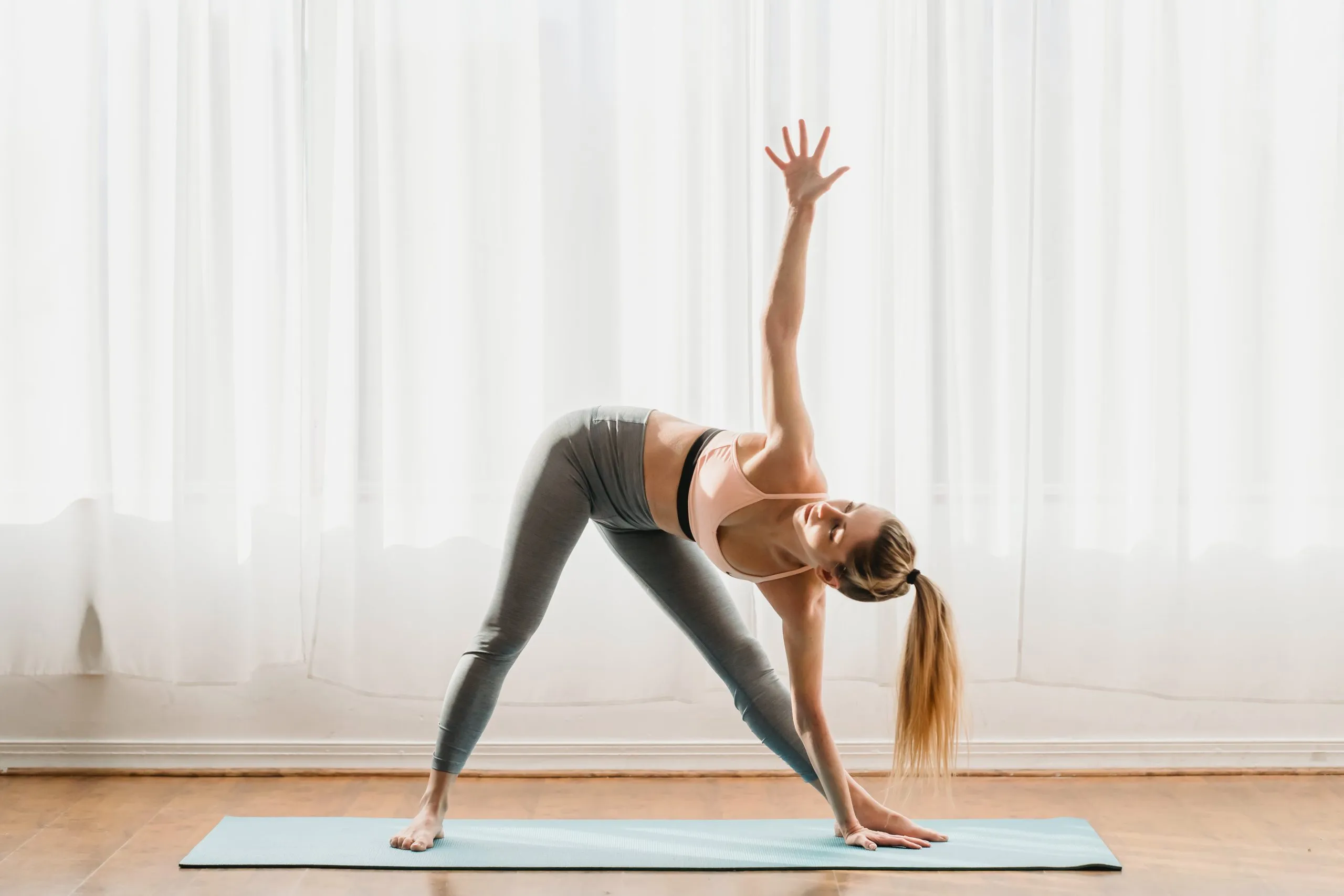
- Key Poses: Uttita Trikonasana (extended triangle) for hip opening; Marichyasana A-D for spinal twists that wring out stress.
- Benefits: Boosts circulation, strengthens core, calms the nervous system—perfect for harried modern life.
If you’re eyeing where to start, hunt a Mysore-style class near you; it’s self-paced magic.
Intermediate Series: Nadi Shodhana – Awakening Inner Energy
Step up to the intermediate series, Nadi Shodhana, and things get electric—this “nerve cleanser” purifies your energy channels (nadis), prepping for deeper meditation. Adding about 55 poses to the primary’s base, it introduces backbends like kapotasana (pigeon) and balances like pincha mayurasana (forearm stand). Expect more heat, more humility.
My breakthrough came here during a rainy Mysore retreat; nailing kapotasana felt like cracking open a locked door in my chest, emotions spilling out in the best way. It’s not for the faint-hearted—takes years—but the payoff? A buzzing vitality that hums through your days.
Focus on ujjayi breath to navigate the intensity; it’s your internal GPS.
- Challenges: Deep backbends test flexibility; inversions build trust in your strength.
- Pro Tip: Pair with journaling—insights flow freer post-practice.
Advanced Series A: Sthira Bhaga – Centering Strength
Welcome to the third series, Advanced A or Sthira Bhaga, where grace meets grit in a symphony of strength. This “divine stability” level amps up arm balances and contortions like eka pada sirsasana (leg behind head), layering 50+ poses atop the first two series. It’s for those who’ve danced through the basics, seeking poise amid power.
I glimpsed this in a workshop once, awestruck by practitioners floating like feathers in wind—reminded me why we chase progress, not perfection. Humorously, attempting it solo led to my most epic face-plant; laughter’s the best teacher.
It sharpens focus, forging mental steel alongside physical.
| Series | Focus | Key Pose Example | Progression Tip |
|---|---|---|---|
| Primary | Detox & Alignment | Urdhva Dhanurasana | Build heat gradually |
| Intermediate | Energy Purification | Kapotasana | Emphasize bandhas |
| Advanced A | Strength Centering | Eka Pada Galavasana | Practice off-mat mobility |
Advanced Series B: Deepening the Divine Flow
The fourth series, Advanced B, dives deeper into Sthira Bhaga’s embrace, blending power with precision through poses like dwi pada sirsasana (both legs behind head). It’s a rare realm, emphasizing humility as much as acrobatics—only the devoted reach here.
Sharath Jois, Jois’s grandson, embodies this level’s quiet mastery; watching him practice is poetry in motion. For me, peeking at it sparked a light-hearted envy— “One day, maybe?”—but mostly gratitude for my own spot in the sequence.
Sustains the body’s grace, turning effort into effortless.
Advanced Series C: Inversions and Intensity
Series five, Advanced C, flips the script with handstands and wild inversions like tarasana (excited baby), pushing boundaries of balance and bravery. It’s inversion heaven (or hell, depending on the day), refining the nervous system to laser sharpness.
A friend who conquered this shared how it dissolved her fear of falling—literally and figuratively. I tried a teaser once; cue giggles and a safe crash. It’s a testament to Ashtanga’s adaptability—scale to your edge.
- Pros: Enhances proprioception, sparks joy in mastery.
- Cons: Risk of strain without guidance; rest is non-negotiable.
Advanced Series D: Ultimate Mastery and Mystery
The sixth series, Advanced D, crowns the progression as the pinnacle of Sthira Bhaga—think ultimate arm balances and yogic feats whispered about in shalas. Legends say only a few, like Sharath, have fully embodied it; it’s shrouded in reverence, not ego.
In my wildest dreams, I aspire to its wisdom, not the wow-factor. It’s the series that reminds us: the path is the point. Light-hearted aside— if I ever get there, expect confetti and cake.
Ashtanga vs. Other Yoga Styles: A Quick Showdown
Ever wonder how Ashtanga stacks up against, say, the chill vibes of Yin or the free-flow of Vinyasa? It’s the disciplined athlete to their poetic wanderers—fixed sequences demand commitment, while others let intuition lead. Both build strength, but Ashtanga’s heat and rhythm crank the cardio.
I switched to Hatha for a restorative phase post-injury; it was like trading a sprint for a stroll—both vital, different gifts.
| Aspect | Ashtanga | Vinyasa | Yin |
|---|---|---|---|
| Structure | Fixed series | Teacher-led flow | Long-held poses |
| Intensity | High (sweaty, athletic) | Medium-high | Low (restorative) |
| Focus | Breath-movement sync | Creativity | Deep tissue release |
| Best For | Discipline seekers | Flow lovers | Recovery days |
Pros of Ashtanga: Builds resilience, community bonds in Mysore rooms. Cons: Can feel rigid, injury-prone if rushed. Bottom line? Mix it up—life’s too short for one flavor.
People Also Ask: Real Questions from the Mat
Drawing from Google’s buzzing queries, here’s the scoop on what folks really wonder about Ashtanga yoga.
Is Ashtanga Yoga Suitable for Beginners?
Absolutely, but ease in—start with half-primary in a supportive class. It’s challenging, yet modifiable; my first session was half sun salutes and heaps of grace. Builds confidence brick by breath.
How Often Should You Practice Ashtanga Yoga?
Traditionally, six days a week, moon days off for lunar vibes. I aim for five; consistency trumps perfection—your body will thank you with that post-practice glow.
What Are the Benefits of Ashtanga Yoga?
From torching calories to taming anxiety, it detoxes physically and mentally. Studies show improved bone density and stress relief—plus, that unbeatable endorphin high.
Is Ashtanga Yoga the Same as Vinyasa?
Close cousins—Vinyasa flows freely, Ashtanga follows set series. Both breath-driven, but Ashtanga’s structure adds discipline’s edge.
Can You Practice Ashtanga Yoga at Home?
Yes! Grab a chart, follow online guides, but a teacher accelerates progress. I do mornings solo—quiet, empowering, like coffee for the soul.
FAQ: Your Burning Questions Answered
Got queries? I’ve fielded these from students over coffee and cork blocks.
Q: How long does it take to learn the primary series?
A: Varies wildly—months for basics, a year for fluency. Repetition is key; treat it like learning guitar riffs, fun and frustrating in equal measure.
Q: What’s the best gear for Ashtanga practice?
A: Non-slip mat, moisture-wicking clothes, and a towel for the deluge. For buys, check Manduka mats—they grip like old friends.
Q: Does Ashtanga help with back pain?
A: Often yes, via core strengthening and spinal alignment. Consult a doc first; my tweaks vanished after consistent practice.
Q: Can men over 40 thrive in Ashtanga?
A: Heck yes—it’s adaptable. A buddy in his 50s swears it reversed his “dad bod” blues.
Q: Where to find authentic Ashtanga teachers?
A: Look for KPJAYI-authorized spots via ashtangayoga.com or apps like Insight Timer for virtual intros.
Wrapping the Mat: Your Invitation to Flow
Whew, we’ve journeyed from Mysore’s palaces to your potential practice, hearts open and breaths steady. Ashtanga yoga—its origins in ancient fire, philosophy in eight-fold grace, series like stepping stones across a river—it’s not about nailing the pose, but the poetry of trying. That first dawn session? It cracked me open, teaching surrender amid sweat. Yours might do the same, or spark something wildly your own. Grab that mat, find a class (try Yoga International for starters), and whisper Jois’s mantra: Practice, and all is coming. What’s your first step? Drop a note—I’m here, cheering from the shala sidelines.