Ashtanga Yoga for Beginners: Your Step-by-Step Guide to Building Strength, Breath, and Inner Calm
Hey there, friend. I remember the first time I stepped into an Ashtanga class, mat tucked under my arm like I was heading into battle. I’d dabbled in yoga before—mostly those gentle flows on YouTube—but this felt different. Sweaty, intense, and a little scary. My legs wobbled in downward dog, and I swear I heard my hamstrings groan in protest. But something clicked that day. That raw, honest challenge lit a fire in me, one that’s still burning after eight years of practice. If you’re eyeing Ashtanga yoga for beginners, wondering if it’s too much too soon, let me pull up a mat and chat. This isn’t about twisting yourself into a pretzel overnight. It’s about showing up, breathing deep, and letting your body whisper back what it needs. Stick with me—we’ll unpack it all, from the basics to a full beginner program that feels doable, not daunting.
What Is Ashtanga Yoga?
Picture this: a flowing river of movement, where every twist and fold syncs with your inhale and exhale. That’s Ashtanga in a nutshell—a dynamic style rooted in ancient traditions but alive with modern energy. Born in Mysore, India, under the guidance of K. Pattabhi Jois, it weaves six fixed series of poses into a practice that’s equal parts workout and meditation. For beginners, it’s less about nailing the full 90-minute primary series and more about dipping your toes into that rhythm.
The magic lies in the vinyasa: breath-led transitions that keep things moving. No two classes feel exactly the same because you evolve with each session. I once had a student, a busy mom named Sarah, who started with just five minutes a day. Six months in, she was flowing through sun salutations like they’d always been part of her routine. It’s approachable when you start small, and that’s the beauty—Ashtanga meets you where you are, building from there.
The History and Philosophy Behind Ashtanga
Ashtanga isn’t just poses; it’s a philosophy drawn from Patanjali’s Yoga Sutras, those ancient blueprints for a balanced life. The name means “eight limbs,” echoing the full spectrum of yoga: from ethical living to deep meditation. Jois revived it in the 20th century, blending breath (pranayama), gaze points (drishti), and energy locks (bandhas) into a system that purifies body and mind.
Think of it as yoga’s original boot camp—structured yet freeing. My own “aha” moment came during a retreat in India, where the heat amplified every bead of sweat and every quiet insight. It’s not about perfection; it’s surrender. For beginners, this history adds depth, turning a workout into a quiet revolution. As one teacher put it, “Ashtanga doesn’t change the world—it changes you.”
Key Principles of Ashtanga Yoga for Newcomers
At its core, Ashtanga thrives on three pillars: breath, bandhas, and drishti. Ujjayi breathing—that soft ocean roar in your throat—anchors the flow, turning effort into ease. Bandhas are subtle internal squeezes, like gently hugging your core to steady the ride. Drishti? It’s your gaze’s gentle anchor, pulling focus inward amid the chaos.
These aren’t add-ons; they’re the glue. I laughed the first time I tried bandhas—felt like clenching for a photo op. But over time, they became my secret weapon against scattered thoughts. Beginners, start here: one principle per practice. It’ll ground you, making the poses feel less like hurdles and more like old friends.
Ujjayi Breath: Your Anchor in the Flow
Ujjayi starts simple: inhale through your nose, gently constrict your throat on the exhale for that whispery wave sound. It’s like fogging a mirror with your breath, but controlled. This technique heats the body, sharpens focus, and eases transitions. In my early days, it was the only thing keeping me from flopping mid-sequence—pure magic for building stamina without burnout.
Bandhas: The Hidden Energy Locks
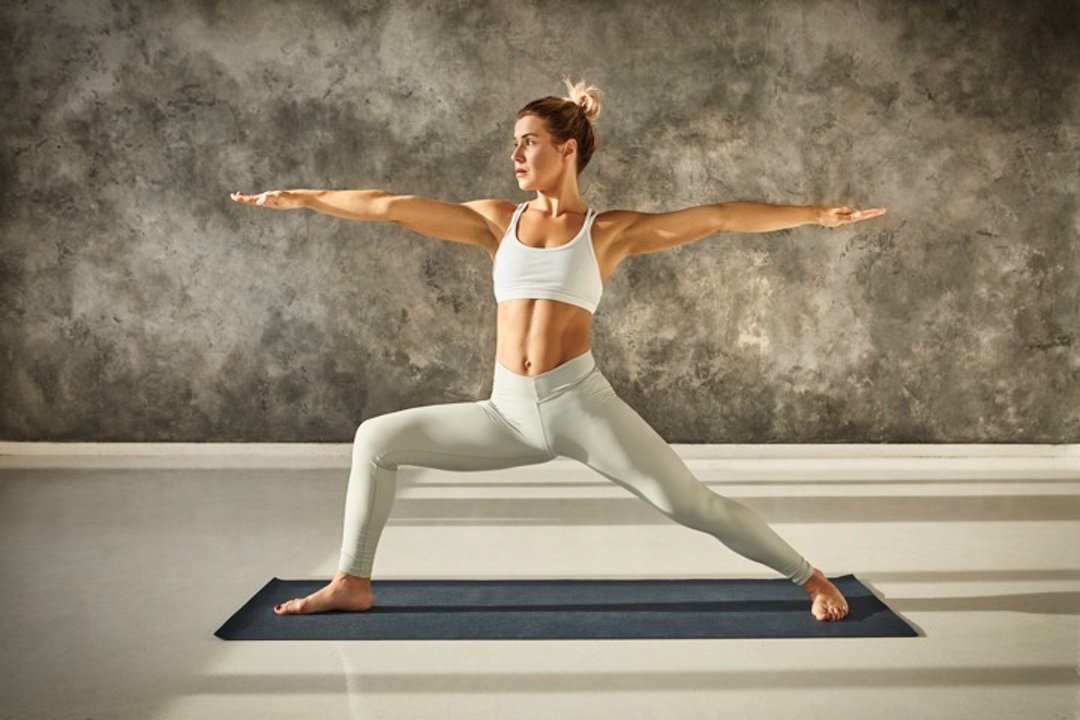
Engage mula bandha (root lock) by drawing your pelvic floor up, like stopping mid-pee. Uddiyana bandha tucks the navel in softly. They’re not about brute force; think subtle support, like a seatbelt in a sports car. Newbies often skip them at first—totally fine—but once they click, poses like warrior II feel empowered, not exhausting.
Drishti: Gaze Points for Inner Focus
Direct your eyes to your nose in forward folds or thumbs in twists. It’s not staring; it’s soft, steady invitation to turn inward. This cuts distractions, fostering that meditative hum even in motion. I once zoned out on my drishti during a shaky tree pose and suddenly balanced—proof it’s a game-changer for wobbly beginners.
Benefits of Ashtanga Yoga for Beginners
Diving into Ashtanga as a newbie? You’re in for a treat. This practice doesn’t just sculpt your body; it rewires your resilience. Physically, it torches calories—up to 500 in a session—while carving lean muscle and flexibility. Mentally, it’s a stress-buster, slashing cortisol and boosting endorphins for that post-flow glow.
Emotionally, it’s gold. One guy in my class, battling desk-job blues, found his anxiety melt after two weeks. Studies back it: regular Ashtanga ups self-esteem and curbs emotional eating. It’s not fluffy talk—it’s real, sweat-earned calm. And the best part? Those gains compound, turning “I can’t” into “Watch me.”
- Builds Full-Body Strength: Targets core, arms, and legs without weights—hello, functional power.
- Boosts Flexibility Safely: Gradual folds and twists lengthen muscles, easing tight hips from sitting all day.
- Enhances Mental Clarity: Breath focus quiets the monkey mind, ideal for overthinkers.
- Supports Weight Management: High-intensity flow aids fat loss while curbing stress munchies.
- Improves Posture and Balance: Standing series fortifies the spine, banishing slouch.
Ashtanga vs. Vinyasa: Which Flow Fits You?
Ever wondered why Ashtanga feels like a disciplined dance while Vinyasa’s more freestyle jam? Both sync breath to movement, but Ashtanga sticks to a fixed sequence—like following a cherished recipe. Vinyasa? It’s creative improv, poses shifting with the teacher’s vibe.
For beginners, Ashtanga’s structure builds confidence; you know what’s next, no surprises. Vinyasa shines for variety lovers, keeping things fresh. I started with Vinyasa’s playfulness but craved Ashtanga’s depth—it’s like trading jazz for symphony. Neither’s better; it’s about your groove.
| Aspect | Ashtanga Yoga | Vinyasa Yoga |
|---|---|---|
| Sequence | Fixed primary series, memorized over time | Creative, varies by class/teacher |
| Intensity | High, athletic with daily practice | Moderate to high, adaptable pace |
| Beginner Fit | Structured for building foundations | Flexible for exploration and fun |
| Focus | Discipline, breath, internal locks | Flow, alignment, personal expression |
| Class Style | Mysore (self-paced) or led counts | Teacher-led flows, often with music |
Pros of Ashtanga for newbies: Predictable progress, deepens self-reliance. Cons: Can feel rigid if you’re craving change. Vinyasa pros: Energizing variety, easier entry. Cons: Less emphasis on mastery. Try both—your body will vote.
Essential Poses in the Ashtanga Primary Series for Beginners
The primary series, or Yoga Chikitsa, is your entry point—a detoxifying flow of about 50 poses. Don’t sweat the full thing yet; start with sun salutations. They’re the warm-up heartbeat, repeating five times each to kindle that inner fire.
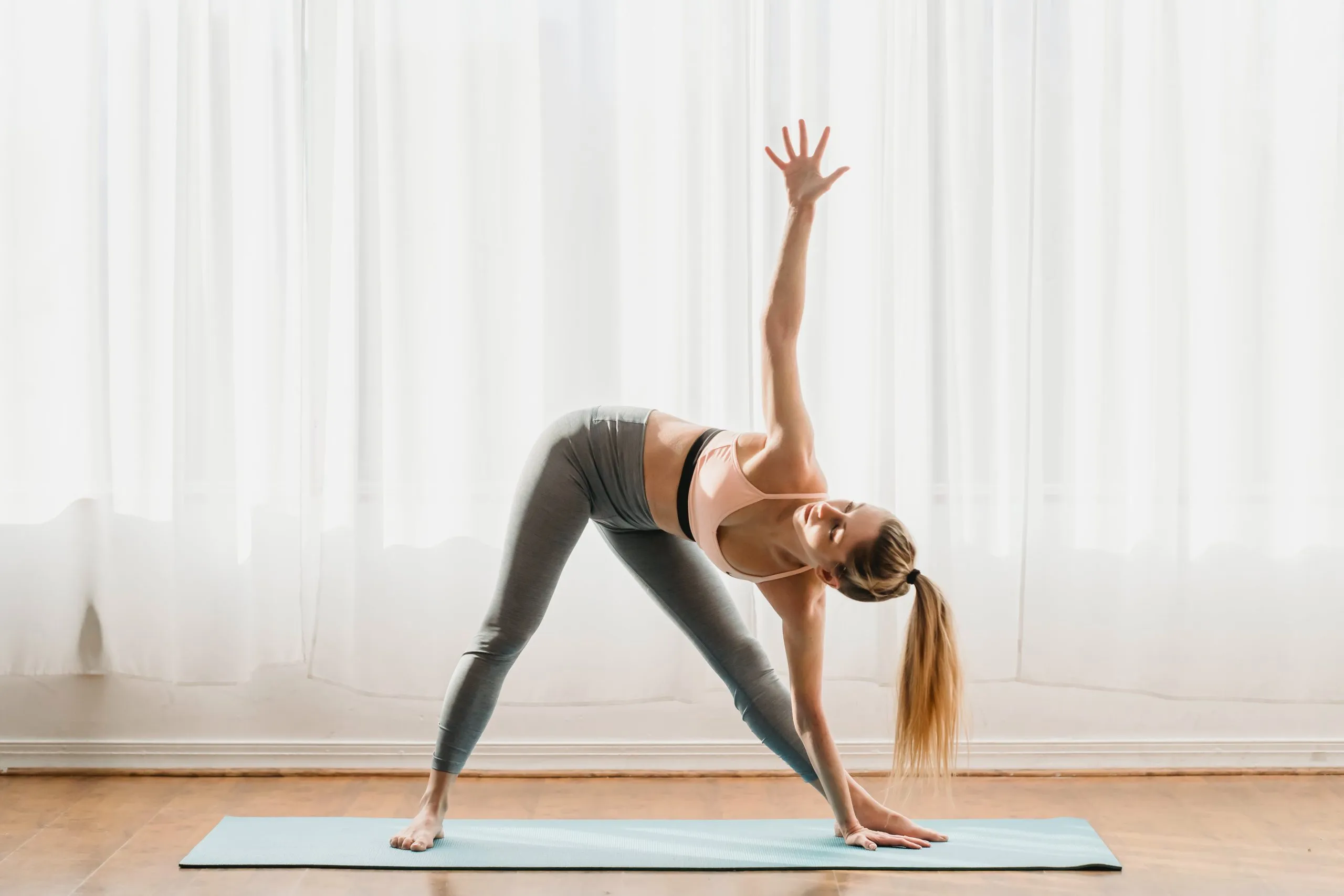
From there, standing poses like triangle build heat, while seated ones like forward folds invite surrender. Finishing sequence cools you down with inversions and rests. My tip? Modify freely—knees bent, props welcome. It’s your practice, after all.
Sun Salutation A: The Energizing Warm-Up
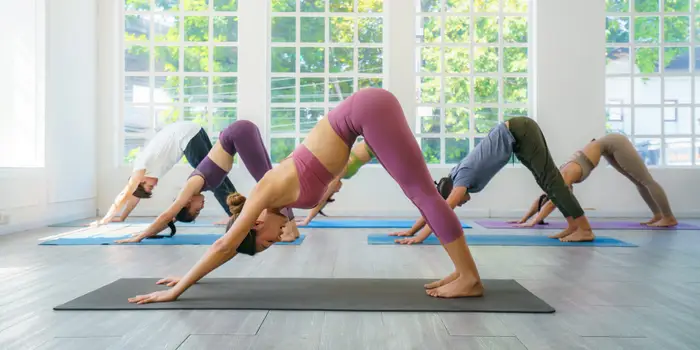
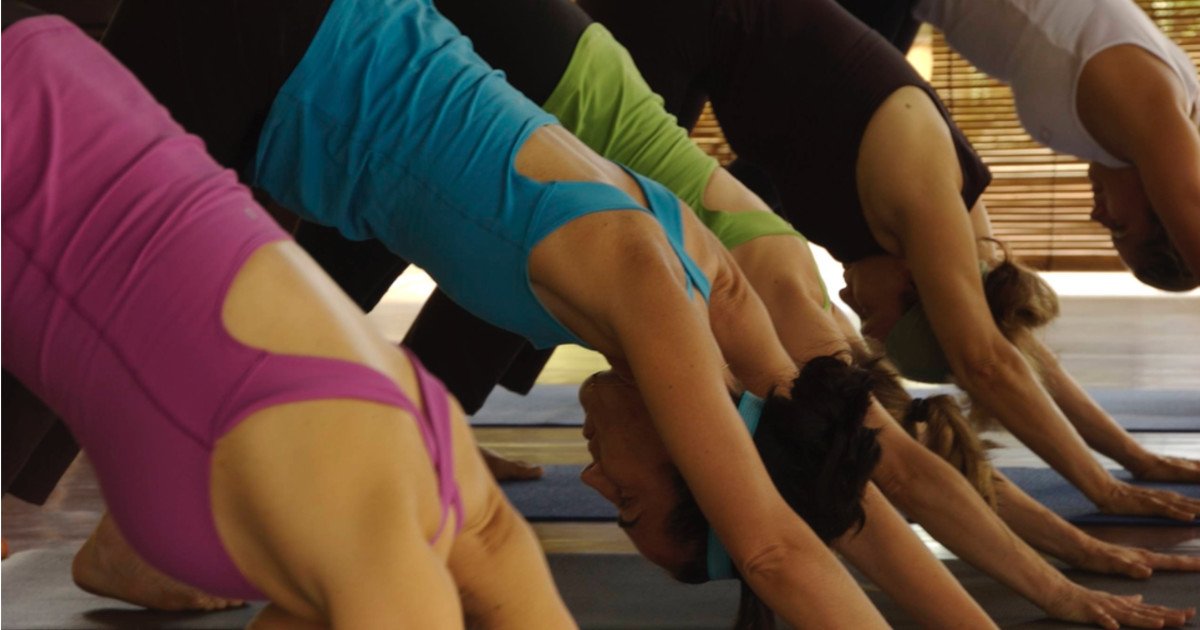
Kick off with five rounds: Mountain to forward fold, plank to cobra, back to downward dog. Inhale arms up, exhale fold—simple, rhythmic. This sequence wakes every muscle, syncing breath to beat. Beginners love it for the quick win; I felt taller after my first round, like I’d shaken off the day’s weight.
Standing Poses: Grounding Your Foundation
Warrior I and II stretch hips and strengthen legs, triangle opens sides. Hold five breaths each, gazing steady. These build balance without overwhelm—perfect for desk-dwellers. One beginner quipped, “Finally, my quads have a purpose beyond stairs!”
Seated Poses: Cultivating Surrender
Paschimottanasana (seated forward fold) and Janu Sirsasana (head-to-knee) ease into introspection. Bend knees if hamstrings protest; it’s about fold, not floor. These calm the nervous system, turning tension into release. Humor alert: Your inner thighs might chat back at first—breathe through it.
Finishing Sequence: Cooling and Closing
Shoulder stand, plow, and corpse pose wrap it up, inverting gently for calm. Five minutes in savasana? Non-negotiable bliss. This seals the practice, integrating all that heat into quiet wisdom.
A 30-Day Ashtanga Yoga for Beginners Program
Ready to roll? This four-week plan eases you in, blending short flows with rest. Aim for mornings—sunrise energy’s unbeatable—but evenings work too. Track progress in a journal; note what flows, what fights. By week four, you’ll crave the mat.
Week 1: 20 minutes daily, focus on Sun Sal A (5 rounds) + 3 standing poses. Rest Sundays. Week 2: Add seated series opener, build to 30 minutes. Week 3: Full standing + half seated, 45 minutes. Week 4: Primary preview, 60 minutes, celebrate with a treat.
- Daily Essentials: Hydrate, eat light pre-practice, wear comfy layers.
- Modifications: Blocks for hands, strap for binds—tools are friends.
- Rest Days: Walk, meditate—active recovery keeps momentum.
- Milestones: Week 2: Nail vinyasa breath. Week 4: Flow without peeking.
I designed this from my own stumbles—short, sustainable, with room to laugh at the wobbles. You’ll emerge stronger, steadier.
Where to Find Ashtanga Yoga Classes and Resources
Hunting a studio? Search “Ashtanga Mysore near me” for that self-paced vibe—ideal for beginners. Online gems like DoYogaWithMe or Omstars offer free led classes; David’s 30-Day Program is a steal for structure. Apps like Insight Timer have guided flows too.
Locally, check Yoga Alliance-certified spots for quality. My go-to? A cozy shala where the teacher knows your name. Virtual? Kino MacGregor’s YouTube series—encouraging, no judgment. Start free, invest when hooked.
For gear, snag a grippy mat from Lululemon or budget-friendly from Amazon. Books? “The Heart of Ashtanga” by David Robson dives deep. Pro tip: Community forums like Reddit’s r/ashtanga connect you with fellow newbies.
Best Tools and Gear for Your Ashtanga Practice
No need for fancy stuff starting out—a mat and enthusiasm suffice. But smart picks elevate the flow. A cork block set (under $20) props up poses; a yoga strap loops tight spots. For breath tracking, a simple timer app works wonders.
| Tool | Why It’s Great | Price Range | Beginner Pick |
|---|---|---|---|
| Non-Slip Mat | Grippy surface for sweaty flows | $20–$100 | Manduka PROlite |
| Yoga Blocks | Builds height, eases folds | $10–$25 | Foam set from Gaiam |
| Strap | Assists binds, stretches safely | $5–$15 | Cotton loop |
| Bolster | Supports restorative closes | $20–$50 | Hugger Mugger |
Invest in quality over quantity—your back will thank you. I splurged on a Manduka years ago; it’s my ride-or-die.
Pros and Cons of Starting Ashtanga as a Beginner
Pros: Lightning-fast strength gains, meditative depth, community vibe. It’s addictive—that post-practice high? Chef’s kiss. Cons: Intensity can intimidate; daily commitment feels lofty at first. Injury risk if rushed, but modifications mitigate.
Weigh it: If structure motivates you, dive in. Crave variety? Blend with Vinyasa. My take? The pros eclipse cons tenfold—discipline breeds freedom.
People Also Ask: Common Curiosities About Ashtanga for Beginners
Google’s got questions; I’ve got answers. Pulled from real searches, these tackle the top wonders.
Is Ashtanga Yoga Suitable for Beginners?
Absolutely—start modified, build slow. Mysore style shines here, tailoring to your level. It’s challenging but scalable; think marathon training, not sprint.
How Often Should Beginners Practice Ashtanga Yoga?
Three times weekly to start, ramping to five. Listen to your body—rest when sore, not shattered. Consistency trumps intensity; even 20 minutes counts.
What Are the Main Differences Between Ashtanga and Hatha Yoga?
Ashtanga’s a vigorous flow; Hatha, a slower hold-fest. Ashtanga builds heat and endurance; Hatha fosters alignment and calm. Both gold, different vibes.
Can Ashtanga Yoga Help with Weight Loss?
Yes—high-calorie burn plus mindfulness curbs cravings. Pair with balanced eats; results show in weeks, not days. Sustainable, not fad.
Is It Okay to Practice Ashtanga at Home as a Beginner?
Totally—use videos for guidance. But snag in-person tweaks early to avoid wonky form. Home’s empowering once basics click.
FAQ: Your Burning Questions on Ashtanga Yoga for Beginners
Got queries? Here are five real ones from my classes and online chats, answered straight.
How Long Does It Take to Learn the Primary Series?
Varies—3–6 months for basics, a year for fluency. Practice daily; it’ll stick like a favorite song. Patience is your superpower.
What If I’m Not Flexible Enough for Ashtanga?
Flexibility comes from practice, not before. Bend knees, use props—no gatekeeping here. I started stiff as a board; now? Butter.
Can I Do Ashtanga If I Have Injuries?
Yes, with smart mods. Chat with a teacher; skips certain poses if needed. It’s adaptive—honors your body’s story.
What’s the Best Time of Day for Ashtanga Practice?
Dawn aligns with tradition, energizing your day. But anytime works—consistency’s king. Evening unwinds stress beautifully too.
How Does Ashtanga Differ from Power Yoga?
Power’s inspired by Ashtanga but freer, gym-like. Ashtanga’s ritualistic, breath-deep—more yoga, less workout. Both sweat, different souls.
Whew, we’ve covered ground, haven’t we? From that first awkward sun sal to flowing with quiet confidence, Ashtanga’s a journey worth the sweat. Remember my wobbly start? Yours might mirror it, but that’s the spark. Grab your mat, breathe ocean-deep, and show up. You’ve got this—and hey, if it gets tough, laugh it off. The mat’s forgiving. What’s your first step today? Drop a note; I’d love to cheer you on.