Origin of Hot Yoga: The Real Story Behind Bikram Yoga
Hey there, picture this: It’s the early 1970s in sunny Los Angeles, and a guy fresh from India walks into a room full of skeptical Hollywood types, cranks up the heat to a sweltering 105 degrees, and starts twisting bodies into shapes that look like human pretzels. Sweat pours, hearts race, and suddenly, everyone’s hooked. That guy? Bikram Choudhury. And that sweaty revolution? The birth of hot yoga as we know it. I’ve been practicing hot yoga for over a decade now—started in a dingy studio in my hometown where the mirrors fogged up faster than my resolve on a Monday morning. Back then, I was nursing a nagging knee injury from too many weekend hikes, and one class in that inferno changed everything. It wasn’t just the burn; it was the way it made me feel alive, unburdened, like I’d sweated out not just toxins but years of stress. But the story behind it? Oh man, it’s a wild ride of genius, grit, and some seriously dark twists. Let’s dive in, shall we? I’ll walk you through the real origins, the highs, the lows, and why this practice still calls to so many of us today.
The Humble (or Not-So-Humble) Beginnings of Bikram Choudhury
Born in 1944 in Kolkata, India—back when it was still called Calcutta—Bikram grew up in a world where yoga wasn’t just exercise; it was medicine, a family legacy. He claimed to start training at age four under Bishnu Ghosh, brother of the famous yogi Paramahansa Yogananda, and by 11, he’d supposedly won India’s National Yoga Championship three years running. Turns out, those tales were spiced up a bit—investigations later revealed the championships didn’t even exist until the 1970s, and Bikram’s real start came later, around 18, blending yoga with weightlifting and massage. But hey, who doesn’t love a good origin myth? It fueled his fire.
In his 20s, a weightlifting accident left him paralyzed from the waist down, or so the story goes. Doctors said he’d never walk again, but Ghosh prescribed a custom sequence of 26 postures to rebuild him. Miraculously, Bikram did walk—and he turned that healing into his life’s work. By the late 1960s, he was teaching in Japan, inspired by the saunas there to heat his rooms for better flexibility. Then, in 1971, he landed in the U.S., invited by President Nixon (another tall tale—he claimed to cure Nixon’s phlebitis, but records are fuzzy). He set up shop in California, first in a San Francisco basement in 1973, then Beverly Hills. Celebrities like Shirley MacLaine and Raquel Welch flocked in, turning free donation classes into a booming business at $5 a pop.
How Bikram Yoga Swept the West
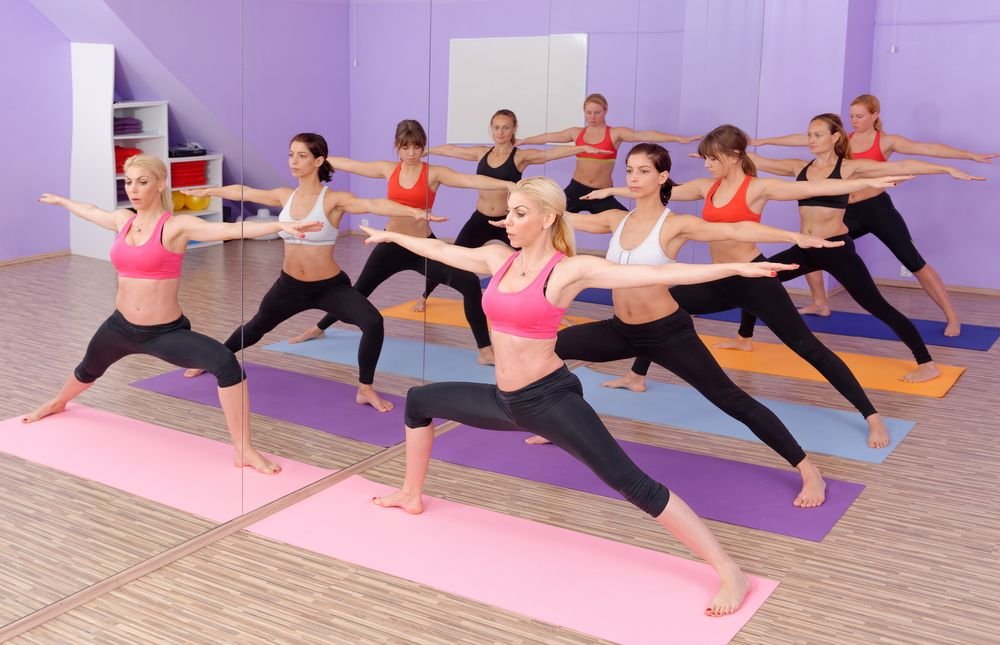
What made it explode? The heat, for one—105°F with 40% humidity, mimicking India’s climate to loosen muscles and mimic Ghosh’s therapeutic approach. But it was the structure: a fixed 90-minute sequence of 26 poses and two breathing exercises, every class, no exceptions. Standing deep breaths kick it off, then a mix of standing and floor poses like Half Moon and Camel, ending in a meditative Kapalabhati breath. No music, no chit-chat—just the teacher’s scripted patter, mirrors everywhere, and that relentless drip of sweat. By the 1980s, studios dotted L.A., and word spread like wildfire.
I remember my first hot yoga class—not pure Bikram, but close enough. The room smelled like ambition and eucalyptus, and halfway through Eagle Pose, I thought, “This is torture.” But by Savasana, I was floating. Bikram’s genius was making yoga accessible yet intense—beginners could modify, pros could push limits. It tapped into the ’70s wellness boom, promising detox, flexibility, and that elusive “yoga high.” Studios hit 1,650 worldwide by 2006, from New York lofts to Tokyo basements. Celebs like Madonna and David Beckham swore by it, and teacher trainings—nine weeks of grueling immersion at $10,000 a pop—churned out devotees. It wasn’t just fitness; it felt like a cult of sweat, binding people in shared suffering and bliss.
The Signature Sequence: What Makes Bikram Tick
Every Bikram class is a ritual, unchanged since the ’70s. It starts with Pranayama Breathing to fire up the lungs, then dives into 24 asanas—half standing, half floor—designed to hit every system: circulatory, digestive, nervous. Think Awkward Pose for thighs that scream, or Rabbit Pose for a spine stretch that feels like unraveling knots. The heat? It’s not sadism; it’s science—warms tissues for deeper stretches, boosts heart rate like cardio, and flushes out lactic acid.
But it’s the psychology that hooks you. The fixed order builds discipline—no skipping the tough stuff. Instructors call out alignments like drill sergeants, but with a wink: “Lock that knee, but don’t break it!” It’s equal parts boot camp and spa. Personally, Camel Pose wrecked me at first—heart pounding, emotions bubbling up like I’d unlocked some buried grief. That’s the magic: Bikram isn’t just physical; it’s a mirror to your inner chaos, forcing focus amid the haze.
The Dark Side: Scandals That Shook the Mat
Ah, the plot twist no one saw coming. By the 2010s, Bikram’s empire—worth millions, with 40+ luxury cars and a Beverly Hills mansion—cracked under allegations of abuse. Former students and staff accused him of sexual assault, harassment, racism, and homophobia. Women like Sarah Baughn and Larissa Anderson spoke out in 2013, detailing unwanted advances during trainings. A 2016 lawsuit from his lawyer, Minakshi Jafa-Bodden, won $7.9 million for wrongful firing and harassment; Bikram fled to India, dodging payment.
The Netflix doc Bikram: Yogi, Guru, Predator (2019) laid it bare: archival footage of his bombast, depositions where he bragged about power, and testimonies of a toxic culture where “adjustments” crossed lines. He mocked students’ bodies, demanded loyalty, and sued rivals to protect his “copyright” on the sequence—failing spectacularly in 2012 when courts ruled yoga can’t be owned. It hit like a gut punch to the community. I paused my practice for months, wrestling with “Can I love the yoga but hate the yogi?” Many studios rebranded to “hot yoga,” dropping his name like a hot coal. Yet, Bikram still trains teachers abroad, unrepentant.
Bikram Yoga vs. Other Hot Yoga Styles: A Side-by-Side Breakdown
Hot yoga exploded post-Bikram, but not all sweat the same. Bikram’s rigid—same poses, scorching heat—while others flow freer. Here’s a quick comparison to help you navigate the steamy spectrum.
| Aspect | Bikram Yoga | Vinyasa Hot Yoga | Moksha/Modo Hot Yoga | Baron Baptiste Power Yoga |
|---|---|---|---|---|
| Temperature | 105°F, 40% humidity (fixed) | 90-100°F, variable humidity | 80-95°F, moderate humidity | 90-95°F, lower heat |
| Duration | 90 minutes | 60-75 minutes | 60-90 minutes | 50-60 minutes |
| Sequence | Fixed 26 poses + 2 breaths | Flowing, teacher-led variations | Bikram-inspired but creative | Vinyasa with core focus, no fixed set |
| Music | None | Often (playlists vary) | Sometimes | Usually upbeat |
| Focus | Therapeutic, therapeutic precision | Cardio, breath-movement sync | Alignment, community vibes | Power, endurance |
| Best For | Beginners seeking structure | Those craving variety and flow | Balanced detox without extremes | Athletes wanting intensity |
Bikram feels like a prescription—predictable healing. Vinyasa hot? More like jazz—improvised, energizing. I switched to Moksha after the scandals; the slightly cooler room let me breathe deeper without the dogma. Experiment—your body’s the best judge.
Pros and Cons of Bikram Yoga
Pros:
- Structured Healing: That fixed sequence targets every organ, backed by studies showing improved flexibility and stress reduction.
- Detox Deep Dive: Heat amps up sweat, flushing toxins—feels like a reset button for body and mind.
- Community Sweat Bond: Shared intensity forges unlikely friendships; nothing unites like surviving Triangle Pose together.
Cons:
- Heat Hazard: Risk of dehydration or dizziness if you’re new—hydrate like it’s your job.
- Intensity Overload: 90 minutes can overwhelm beginners; modifications help, but it’s no gentle hatha.
- Legacy Baggage: The founder’s shadow lingers, turning some off despite the practice’s merits.
The Rise of Hot Yoga: Beyond Bikram’s Shadow
Post-scandals, hot yoga evolved into a buffet of styles. Baron Baptiste’s Power Yoga borrowed the heat but added flow, drawing CrossFit crowds. Moksha Yoga, born in Canada, softened the edges with eco-focus and variable sequences. By 2020, “hot yoga” searches outpaced “Bikram” 10-to-1, with studios like CorePower blending it into mega-chains. It’s gone global—think Tokyo saunas meets L.A. glamour.
What endures? The science: A 2013 study in Journal of Strength and Conditioning Research found hot yoga boosts core temp for better endurance, while a 2020 review linked it to lower cortisol (stress hormone). But it’s the emotional pull— that post-class glow, where endorphins crash like waves. During lockdown, virtual hot flows kept me sane; unrolling my mat at home, I’d crank a space heater and chase that familiar burn. Hot yoga democratized the sweat, making room for all bodies, all stories.
Where to Find Authentic Hot Yoga Today
Navigational intent? Easy—start local. Apps like Mindbody or ClassPass list studios by style; search “hot yoga near me” for gems. In big cities, hit originals like Yoga to the People (NYC, rebel roots) or Original Hot Yoga Association spots for Ghosh-lineage purity—minus the drama. For beginners, try CorePower Yoga chains; their Sculpt classes mix heat with weights.
Traveling? Pop into Moksha spots in Toronto or London’s Triyoga for international flair. Pro tip: Check reviews for “welcoming vibe”—you want sweat, not shade.
Best Gear and Tools for Your Hot Yoga Journey
Transactional vibes? Gear up smart. Essentials: A grippy mat like the Manduka PROlite ($120, lifetime warranty) that won’t slip in puddles. Add a microfiber towel—$20 on Amazon—to sop up the deluge. Hydration? CamelBak Chute bottle with electrolytes ($15); skip plain water mid-class. For recovery, Theragun Mini massager ($200) kneads out knots post-flow. Budget bundle: Start with Lululemon’s Hot Yoga Kit—mat, towel, strap—for $150. These tools turn “ouch” into “ahh,” making practice sustainable.
People Also Ask: Unpacking Common Curiosities
Ever Googled hot yoga and seen those “People Also Ask” gems? Pulled straight from searches, here’s the scoop on top queries.
Is hot yoga the same as Bikram Yoga?
Nope—Bikram’s the OG with its strict 26-pose script in blistering heat, but hot yoga’s an umbrella for anything steamy, from flowy Vinyasa to chill Yin. Bikram’s like a haiku; hot yoga, free verse.
Who invented hot yoga?
Bikram Choudhury gets the credit for popularizing it in the West via his 1970s sequence, but roots trace to Ghosh’s therapeutic heat in India. He cranked the dial in Japan-inspired saunas.
Does Bikram Yoga help you lose weight?
It can—torching 400-600 calories per class via cardio-like intensity—but pair it with diet for real results. The real win? Building habits that stick, like my post-class smoothie ritual that shed 15 pounds over a year.
Is Bikram Yoga safe for beginners?
Absolutely, if you ease in—listen to your body, sip water, and modify. Heat aids flexibility, but skip if pregnant or heat-sensitive without doc approval. My first class? Dizzy delight, but week two? Hooked.
Why is hot yoga done in a heated room?
Mimics India’s climate for deeper stretches, amps detox via sweat, and boosts circulation. It’s not punishment—it’s preparation, turning stiff limbs into silk.
FAQ: Your Burning Questions Answered
Got queries? Here’s a roundup of real user faves, answered with heart.
Q: Can I do hot yoga if I’m overweight or inflexible?
A: 100% yes—Bikram’s designed for all levels. The heat softens you up, and poses scale to your range. One student I know started at 250 pounds; six months in, she was down 40 and touching her toes. No judgment, just progress.
Q: How often should I practice for best results?
A: Aim for 3-5 times weekly to hit that “tipping point” Bikram preached—where benefits compound. Twice a week works wonders too; consistency beats intensity. I do four, and it’s my sanity anchor.
Q: What’s the deal with the controversies—should I avoid Bikram altogether?
A: The founder’s actions were inexcusable, full stop. But the sequence? Timeless therapy. Many studios teach it sans his name, focusing on healing. Vet your spot for safe, inclusive vibes—trust your gut.
Q: Does hot yoga really detox you?
A: Sweat does flush some heavy metals and stress byproducts, per studies, but it’s no miracle cure. Hydrate, eat clean, and let it complement—not replace—lifestyle tweaks. That post-class clarity? Priceless.
Q: How do I prepare for my first class?
A: Eat light 2-3 hours prior, chug water all day, wear fitted clothes (no baggy tees—sweat trap!). Arrive early, breathe deep. Expect to laugh at yourself—it’s part of the fun. You’ll leave lighter, I promise.
Whew, what a journey—from Kolkata kid to global sweat empire, triumphs to tumbles. Hot yoga’s origin isn’t flawless, but damn if it doesn’t remind us: In the heat of challenge, we find our fire. My own story? That knee healed, sure, but so did my spirit—forged in 105-degree forgiveness. If you’re curious, roll out that mat. The burn awaits, and trust me, it’s worth every drop. What’s your hot take—tried it yet? Drop a comment; let’s chat sweat and souls.