What Is Bikram Yoga? Unpacking the Heat, the Poses, and the Practice That Changed My Life
Hey there, friend. Picture this: It’s a sticky summer afternoon in my early twenties, and I’m dragging myself into a yoga studio on a whim after a friend wouldn’t shut up about how this “hot yoga thing” fixed her back pain. I show up in baggy sweats, clueless, thinking yoga’s all about chilling with incense and soft music. Thirty minutes in, I’m drenched, my muscles screaming, and the room feels like a sauna from hell. But something clicks—deep down, in that sweaty haze, I feel alive, challenged, real. That was my first Bikram class, and yeah, I puked in the parking lot afterward. Ten years later, it’s still my go-to reset button. If you’re here wondering what Bikram yoga really is, stick with me. I’m no guru, just a girl who’s bent herself into pretzels enough times to know the sweat’s worth it. Let’s dive in.
The Origins of Bikram Yoga: From Calcutta to Sweat-Drenched Studios Worldwide
Bikram yoga didn’t just pop up in trendy LA lofts—it’s got roots in the dusty streets of 1940s Calcutta. Born from the mind of Bikram Choudhury, a scrappy kid who started twisting into poses at age four under his guru Bishnu Ghosh (brother to the famous yogi Paramahansa Yogananda), this practice was designed as a therapeutic powerhouse. Ghosh’s teachings blended ancient hatha yoga with modern science, aiming to heal the body from the inside out. Choudhury, after a knee-shattering weightlifting accident at 17 that doctors said would sideline him forever, turned to yoga and swore it rebuilt him stronger. By the 1970s, he’d brought it stateside, cranking up the heat to mimic India’s sweltering vibe and crafting a fixed 26-pose sequence that hits every inch of you.
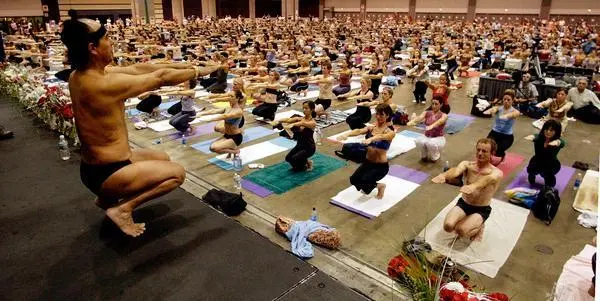
What started as free classes in Beverly Hills exploded into a global phenomenon by the early 2000s, with over 1,650 studios in 40 countries. Celebrities like Madonna and Sting hopped on the bandwagon, turning it into Hollywood’s guilty pleasure. But here’s the raw truth: Choudhury’s charisma masked darker shadows—allegations of abuse that tarnished the brand in the mid-2010s, leading to lawsuits and his flight to India. Studios rebranded to “hot yoga” or “26+2,” but the core sequence? It’s endured, evolving into a resilient, teacher-led tradition. Today, in 2025, it’s not the flashy fad it once was, but a steady undercurrent in the wellness world, with about 600 dedicated spots worldwide proving its staying power.
Understanding the Core of Bikram Yoga: What Sets It Apart from Your Average Downward Dog
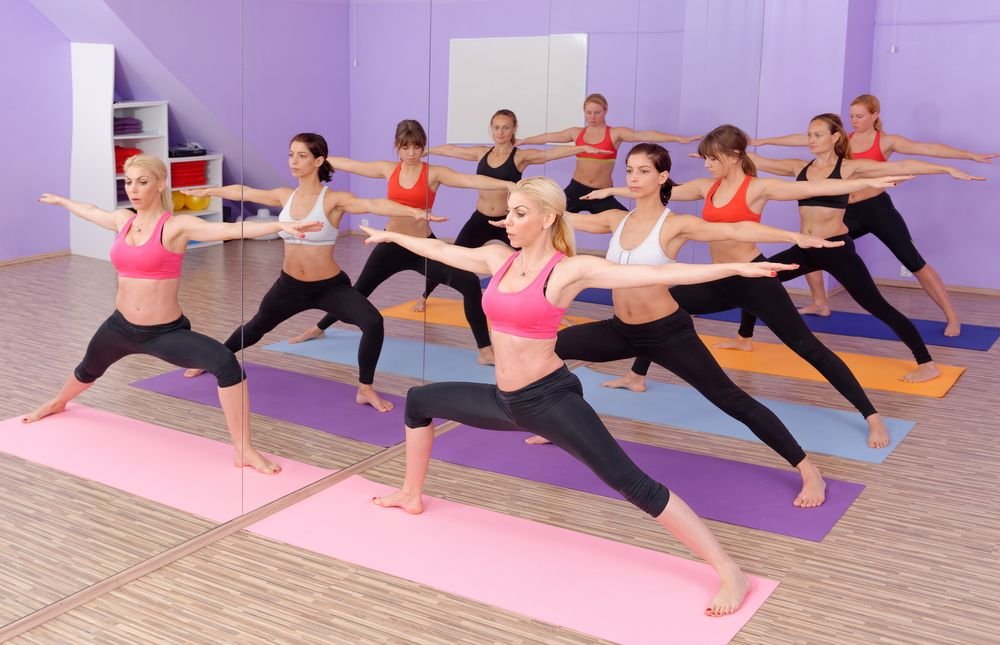
At its heart, Bikram yoga is hatha yoga on steroids—methodical, heated, and unapologetically repetitive. Every 90-minute class unfolds the exact same way: 26 postures (asanas) and two breathing exercises (pranayama), twice through, in a room cranked to 105°F with 40% humidity. No flowy vinyasa here; it’s a deliberate march through standing deep breaths, half moon poses, and camel backbends, each held for 20-60 seconds. The heat loosens your ligaments like butter, letting you sink deeper without snapping something, while the mirrors force you to confront your form (and that awkward wobble). It’s less about zen whispers and more about gritty focus—breathing through the burn, silencing the mental chatter.
This rigidity is its secret sauce. Unlike freestyle hot yoga, where instructors freestyle the playlist and poses, Bikram’s script keeps things predictable, building muscle memory and that addictive “I did it” high. I remember my third class: I locked my knees in tree pose, teetered like a drunk flamingo, and laughed through the sweat—pure humility. It’s not pretty, but it’s honest, turning a workout into a mirror for your grit. And in a world of endless apps and quick fixes, that consistency? It’s gold.
The Signature 26 Poses: A Quick Breakdown of the Sequence
Bikram’s lineup is a full-body symphony, starting standing to fire up circulation, then floor work for deep compression. No cherry-picking; you do ’em all, building heat like a pressure cooker.
- Standing Deep Breathing (Pranayama): Kicks off with controlled inhales to oxygenate and calm your nerves—think of it as your pre-game hype breath.
- Half Moon Pose with Hands to Feet (Ardha-Chandrasana with Pada-Hastasana): A side stretch into forward fold that loosens your spine and hamstrings, easing sciatica like a charm.
- Awkward Pose (Utkatasana): Three-part squat that torches thighs and builds core fire—my quads still curse it fondly.
- Eagle Pose (Garurasana): Twisted arms and legs for balance; it’s wobbly hilarity that sharpens focus.
- Standing Head to Knee (Dandayamana-Janushirasana): One-leg wonder for concentration—pro tip: breathe, don’t grip.
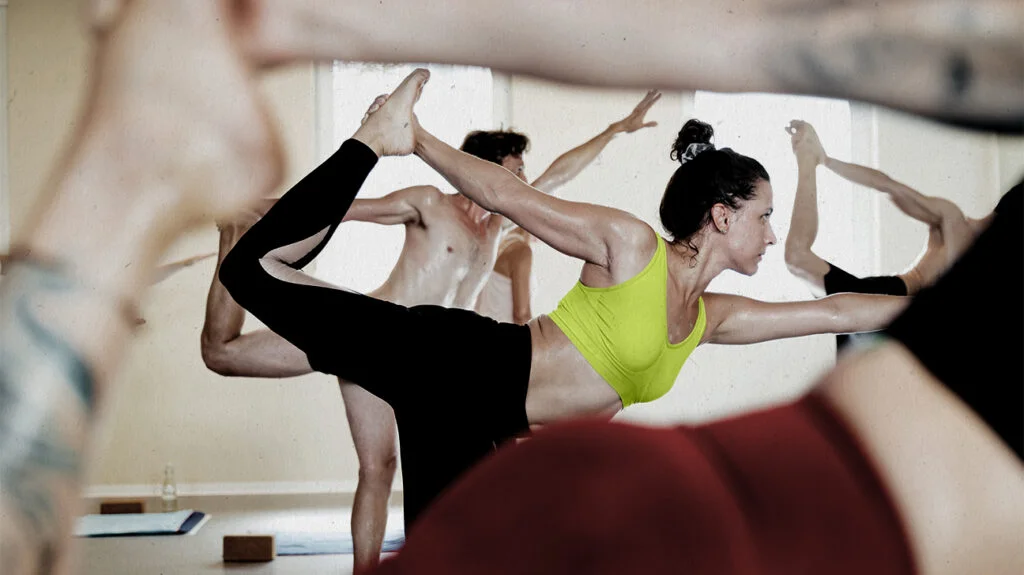
- Standing Bow Pulling Pose (Dandayamana-Dhanurasana): Backbend on one foot; heart-opener that floods you with endorphins.
- Balancing Stick (Tuladandasana): T-shape hold for cardio punch—sweat alert!
- Standing Separate Leg Stretching (Dandayamana-Bibhaktapada-Paschimotthanasana): Wide-leg forward fold for inner thighs and calm.
- Triangle Pose (Trikanasana): Side stretch that squeezes organs, detoxing like nobody’s business.
- Standing Separate Leg Head to Knee (Dandayamana-Bibhaktapada-Janushirasana): Intense hamstring hug—hello, flexibility gains.
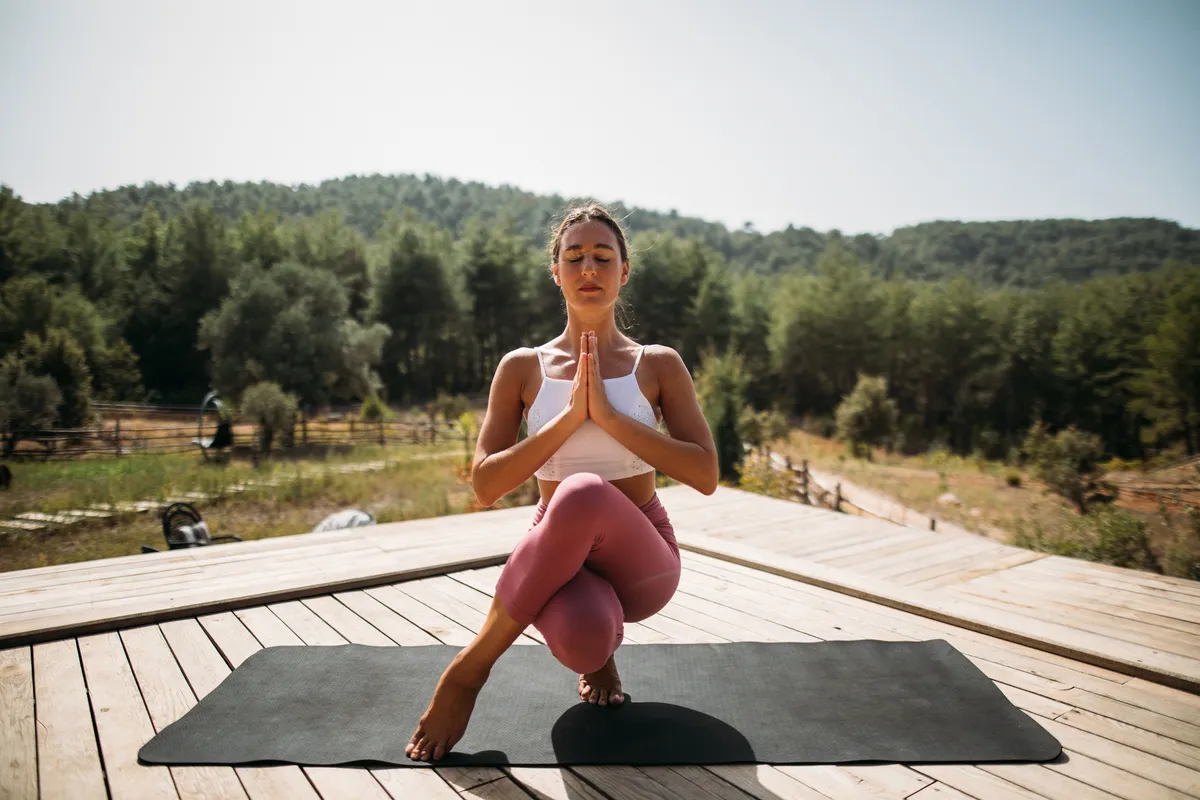
- Tree Pose (Tadasana): Classic balance for hips and poise.
- Toe Stand (Padangustasana): Squat-kneel for knee strength—patience required.
- Corpse Pose (Savasana): Mini-reset to integrate the chaos.
- Wind-Removing Pose (Pavanamuktasana): Knee-to-chest for digestion detox.
- Sit Up: Crunch for abs—simple, savage.
- Cobra (Bhujangasana): Belly-down backbend for spine love.
- Locust (Salabhasana): Lift like a helicopter for lower back power.
- Full Locust (Poorna-Salabhasana): Arms-up version for endurance.
- Bow (Dhanurasana): Rocking pony for full spinal flex.
- Half Tortoise (Ardha-Kurmasana): Fold for brain blood flow.
- Camel (Ustrasana): Deep backbend—emotional release incoming.
- Rabbit (Sasangasana): Head-hug for neck relief.
- Head to Knee with Stretching (Janushirasana with Paschimotthanasana): Forward fold for sciatica soothers.
- Spine-Twisting Pose (Ardha-Matsyendrasana): Twist for detox and detox.
- Blowing in Firm Pose (Kapalbhati in Vajrasana): Final breath blast for lung power.
Each one’s a mini-lesson in persistence—by the end, you’re wrung out and reborn.
The Science and Soul of Bikram Yoga: Benefits That Go Beyond the Sweat
Let’s get real: Bikram isn’t just a calorie torcher (though a single class can zap 400-600); it’s a body hacker. Studies from places like the Journal of Alternative and Complementary Medicine show it boosts flexibility by 35% in eight weeks, thanks to the heat mimicking a warm-up on steroids. Your muscles elongate without protest, reducing injury risk in daily life or sports. Cardiovascular perks? Heart rate hits 80% max, improving VO2 uptake and lowering blood pressure—perfect for stressed-out desk jockeys like me, who once dodged stairs like the plague.
Mentally, it’s a game-changer. That humidity forces breath focus, dialing down cortisol and spiking endorphins for anxiety-busting bliss. One small trial on obese adults found better glucose tolerance after short-term practice, hinting at diabetes defense. And the detox? Sweat flushes toxins, clearing skin and easing bloating—I swear my post-class glow rivals any filter. Emotionally, it’s raw: poses like camel unearth buried feels, turning tears into triumphs. After a brutal breakup, my weekly ritual rebuilt not just my hamstrings but my heart. It’s therapy with a towel.
Pros and Cons: Weighing the Heat
No practice is perfect—here’s the unfiltered scoop.
| Aspect | Pros | Cons |
|---|---|---|
| Physical | Enhanced flexibility, strength in underused muscles (hello, glutes!), injury rehab potential | Risk of overheating if you’re new; dehydration hits hard |
| Mental | Builds resilience, sharpens focus, stress melt | Can feel rigid—boredom if you crave variety |
| Practical | Predictable sequence eases beginners; community vibe | 90 minutes? Not for rushed schedules; pricey studios |
Bottom line: If you’re chasing transformation, pros win. Start slow, hydrate like a boss.
Bikram Yoga vs. Other Hot Practices: Finding Your Sweat Sweet Spot
Hot yoga’s a broad church, but Bikram’s the original firebrand. Regular hot yoga? It’s vinyasa or hatha in 95°F warmth—flowy, music-pumped, instructor-led freestyle. Bikram demands precision: exact poses, scripted cues, no tunes, carpeted floors for grip. Hot yoga might toss in inversions or twists on the fly; Bikram sticks to its 26 like glue, emphasizing compression over cardio flow.
Compare it to vinyasa: Flow’s breath-synced dance builds heat organically, great for upper-body burn, but lacks Bikram’s therapeutic squeeze on organs. Or yin: Slow, cool stretches for deep release—Bikram’s the yang to its yin, all action and pulse. Me? I rotate: Bikram for structure, hot vinyasa for fun. In 2025, with wellness apps booming, Bikram’s niche appeal shines—it’s for the die-hards who want ritual, not remix.
Real Risks and How to Sidestep Them: Stay Safe in the Steam
Look, the heat’s a double-edged sword. Core temps can spike to 103°F, flirting with heat exhaustion—dizziness, nausea, that “oh crap” fog. Preexisting folks (heart issues, pregnancy) consult docs; everyone hydrates pre-class (aim for half your body weight in ounces daily). I learned the hard way: Skip breakfast, chug coconut water, and listen to your body—savasana’s your friend, not failure.
Overstretching’s the sneaky villain; loose muscles tempt “one more inch,” risking strains. Pros say modifications are key—bend knees, use blocks. And that carpet funk? Studios sanitize, but bring your own towel. With smarts, risks fade; rewards roar.
Where to Find Bikram Yoga Classes: Your Local Heat Map
Hunting a class? Skip the generic search—dive into the Original Hot Yoga Association directory for lineage-true spots (ohyassociation.com). In the US, gems like Hot Yoga Chelsea in NYC or Bikram Yoga Folsom in Cali offer daily 26+2 sessions, often $20-30 drop-in, with newbies freebies. Europe? London’s Bikram Yoga spots thrive; Australia’s got thriving scenes in Sydney. Apps like ClassPass or Mindbody pinpoint “hot 26” near you—filter for “traditional” to avoid hybrids. Pro tip: Call ahead; post-2020, many went hybrid, blending online intros with in-studio sweat.
Gear Up for Bikram: Best Tools to Tackle the Towel Test
Sweat-proof your setup without breaking the bank. Mats? Manduka PROlite’s grippy rubber ($120) or Jade Harmony ($80) shine—natural, cushy, no slip. Towels: Yogitoes microfiber ($25) drapes full-length, sucking moisture like a champ. Tops: Lululemon’s Align tank ($58) wicks fast; shorts from Prana ($50) stay put. Hydrate with a CamelBak ($30) chugger. My kit? Gaiam 6mm mat ($30) for joints, plus electrolyte tabs—total under $150, game-changing.
People Also Ask: Answering the Buzz Around Bikram Yoga
Google’s got questions; I’ve got sweat-tested answers. Pulled straight from search trends, here’s the real talk.
Is Bikram Yoga Safe?
Absolutely, if you’re smart about it. The heat amps benefits but demands respect—hydrate, ease in, bail if woozy. Studies show low injury rates with proper form, but skip if pregnant or heart-troubled without doc greenlight.
How Often Should You Do Bikram Yoga?
Three times weekly hits the sweet spot for gains without burnout. Newbies? Twice max, building to daily if you’re hooked. Listen to your bod—rest days prevent overstretch.
Can Beginners Try Bikram Yoga?
Hell yes—it’s designed for all levels. Mods abound; instructors guide without judgment. My first class? Half poses, full sweat, zero shame. Start slow, own your space.
What’s the Difference Between Bikram and Hot Yoga?
Bikram’s the blueprint: fixed 26 poses, 105°F precision. Hot yoga’s the remix—any style in warmth, looser vibes. If you crave routine, Bikram; variety, hot.
Does Bikram Yoga Help with Weight Loss?
It torches 477 calories average, builds lean muscle, curbs stress eating. Paired with eats, yes—but it’s no magic pill. Consistency’s your ally.
FAQ: Your Burning Questions on Bikram Yoga Answered
Got specifics? Here are five real-user queries, yogi-style.
Q: Will Bikram make me more flexible if I’m stiff as a board?
A: Guaranteed. Heat softens tissues; eight weeks in, you’ll fold like origami. I went from “nope” to ninja—patience pays.
Q: Is Bikram yoga good for back pain?
A: Spot-on for chronic aches. Poses decompress the spine, strengthen core—backed by trials on lower-back relief. Ease in, though.
Q: How do I avoid passing out in the heat?
A: Pre-hydrate (electrolytes!), breathe nose-only, sit if spins hit. Studios cool lobbies for recovery—I’ve clutched that savasana lifeline.
Q: Can men do Bikram too?
A: Duh—half my class is dudes chasing tone and zen. Builds power without bulk; pros like Beckham swear by it.
Q: Is Bikram yoga still worth it post-scandal?
A: The practice? Transformative. Ditch the drama; focus on ethical studios. It’s the poses healing, not the past.
Whew—that’s Bikram, unfiltered. From my parking-lot hurl to the quiet strength it carved in me, it’s messy, mighty, yours if you dare. Grab a towel, hit a class, and tell me: Ready to sweat your story? Drop a comment; I’m here, mat-side. Namaste, warrior.