26 Bikram Yoga Poses to Keep You Fit
Hey there, fellow fitness seeker. Remember that time I stumbled into my first Bikram class, dripping sweat before even starting, thinking I’d made a huge mistake? Fast forward a few years, and those 26 poses have become my go-to for staying toned, flexible, and honestly, a bit more sane in this chaotic world. If you’re curious about diving into Bikram yoga—or hot yoga as some call it—this guide is your roadmap. We’ll break down each pose, why they fire up your fitness, and how to weave them into your routine without turning your living room into a sauna. Stick with me; by the end, you’ll feel ready to roll out that mat and give it a shot.
What Is Bikram Yoga?
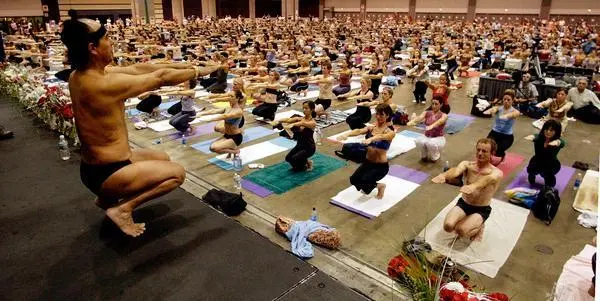
Bikram yoga isn’t just any stretch session—it’s a precise sequence of 26 postures done in a heated room, cranking up the intensity to build strength and endurance. Created by Bikram Choudhury back in the ’70s, it draws from traditional hatha yoga but amps it up with heat to help muscles loosen and toxins flush out. I’ve practiced it for over five years now, and let me tell you, that first class felt like wrestling a slippery eel, but now it’s my secret weapon for total-body fitness.
The Science Behind Bikram Yoga and Fitness
Sweating through these poses does more than make you feel virtuous—it boosts circulation, ramps up metabolism, and carves out lean muscle without bulking up. Studies show it improves lower body strength and balance, which is gold for everyday fitness like running or hiking without injury. From my own journey, after a month of consistent classes, I noticed my jeans fitting looser and my energy spiking, all while dodging the gym boredom.
Benefits of Practicing the 26 Bikram Poses
These poses target every muscle group, from your core to your calves, making them a full-spectrum workout disguised as yoga. They enhance flexibility, torch calories (up to 600 per session!), and even sharpen mental focus amid the heat. Personally, they’ve helped me shake off stress after long workdays, turning what could be a slump into a revitalized evening.
- Improved Flexibility and Range of Motion: Poses like the standing bow stretch hamstrings deeply, reducing injury risk in other sports.
- Strength Building: Balancing acts like eagle pose build leg and core power without weights.
- Cardio Boost: The heat elevates heart rate, mimicking a light jog for heart health.
- Detoxification: Sweating profusely aids in flushing toxins, leaving you feeling cleansed.
- Mental Clarity: Breathing exercises calm the mind, combating anxiety like a natural chill pill.
Risks and Precautions in Bikram Yoga
While transformative, the hot environment can lead to dehydration or dizziness if you’re not prepared—I’ve learned the hard way after skipping water one class. It’s not for everyone, especially those with heart issues or pregnancy, so chat with a doc first. Start slow, listen to your body, and remember, it’s okay to sit out a pose; pushing too hard is where trouble brews.
Pros and Cons of Bikram Yoga
Pros include rapid fitness gains and that post-class glow, but cons like heat exhaustion remind us moderation is key. On the plus side, it’s accessible for beginners with modifications. Drawbacks? The intensity might overwhelm newbies, and finding a studio isn’t always easy.
Pros
- Accelerates weight loss through high-calorie burn.
- Enhances posture and alignment over time.
- Builds community in group classes.
Cons
- Risk of overheating without proper hydration.
- Can be pricey for studio memberships.
- Not ideal for those sensitive to humidity.
Bikram Yoga vs. Other Yoga Styles: A Comparison
Compared to vinyasa’s flowy movements, Bikram’s fixed sequence offers predictability, perfect for tracking progress—like how I went from wobbling in tree pose to holding it steady. Unlike gentle yin yoga, which focuses on relaxation, Bikram pushes cardiovascular limits in the heat. Power yoga might build similar strength, but without the detox sweat, it feels less purifying to me.
| Aspect | Bikram Yoga | Vinyasa Yoga | Yin Yoga |
|---|---|---|---|
| Environment | Hot room (105°F) | Room temperature | Cool, dim lighting |
| Sequence | Fixed 26 poses | Flowing, variable | Long-held poses |
| Focus | Strength, detox | Cardio, creativity | Flexibility, meditation |
| Duration | 90 minutes | 60-75 minutes | 45-90 minutes |
| Intensity | High | Medium-High | Low |
Getting Started with Bikram Yoga at Home
You don’t need a fancy studio to try these poses—grab a mat, crank the heater, and follow along with online videos. I started in my basement during lockdown, using a space heater to mimic the warmth, and it still delivered that fitness punch. For gear, invest in a non-slip mat; check out options on Amazon for hot yoga essentials.
Where to Find Bikram Yoga Classes
Local studios like those affiliated with Bikram Yoga Works offer certified classes—search “Bikram yoga near me” or visit bikramyoga.com for directories. Apps like ClassPass make it easy to book drop-ins. If traveling, international spots in places like Bali provide retreats for deeper immersion.
Best Tools and Accessories for Bikram Practice
For optimal sessions, snag a grippy yoga towel to combat sweat slips—brands like Manduka are lifesavers. Hydration packs or electrolyte drinks keep you fueled, and a heart rate monitor tracks your effort. I’ve sworn by my Liforme mat for years; it’s pricier but worth every penny for stability.
- Yoga Mats: Opt for cork or rubber for hot conditions.
- Towels: Microfiber ones absorb sweat like a champ.
- Water Bottles: Insulated to keep drinks cool amid the heat.
- Apps: Insight Timer for guided sequences at home.
The Standing Series: Building Foundation and Strength
This opening chunk of poses warms you up, focusing on balance and posture to kickstart fitness gains. They engage large muscles, revving your metabolism right away. In my early days, these felt impossible, but now they’re the energizers that set the tone.
Pranayama (Standing Deep Breathing)
Start with arms up, inhaling deeply to expand lungs and oxygenate blood—it’s like fueling your engine before a race. Hold for six counts, exhaling slowly to release tension. This breathing sets a calm rhythm, prepping you for the sweat ahead.
Ardha Chandrasana (Half Moon Pose)
Bend sideways, stretching obliques while strengthening your core—imagine reaching for that last cookie on a high shelf. Follow with a backward bend to open the chest. It’s a full spine workout in one go, boosting posture instantly.
Utkatasana (Awkward Pose)
Squat low in three parts, like sitting in an invisible chair, firing quads and glutes for leg power. Keep heels down for stability. This one always makes me chuckle at how “awkward” it truly feels, but the burn is worth it.
Garudasana (Eagle Pose)
Twist arms and legs like a pretzel, squeezing thighs to improve circulation and balance. Hook one foot behind the calf if you can. It’s tricky at first, but mastering it feels like unlocking a new level of coordination.
Dandayamana Janushirasana (Standing Head to Knee)
Lock one knee, round forward to touch head to knee—great for hamstring flexibility and focus. Don’t rush; build up to it. I remember toppling over repeatedly, but persistence paid off with better runs.
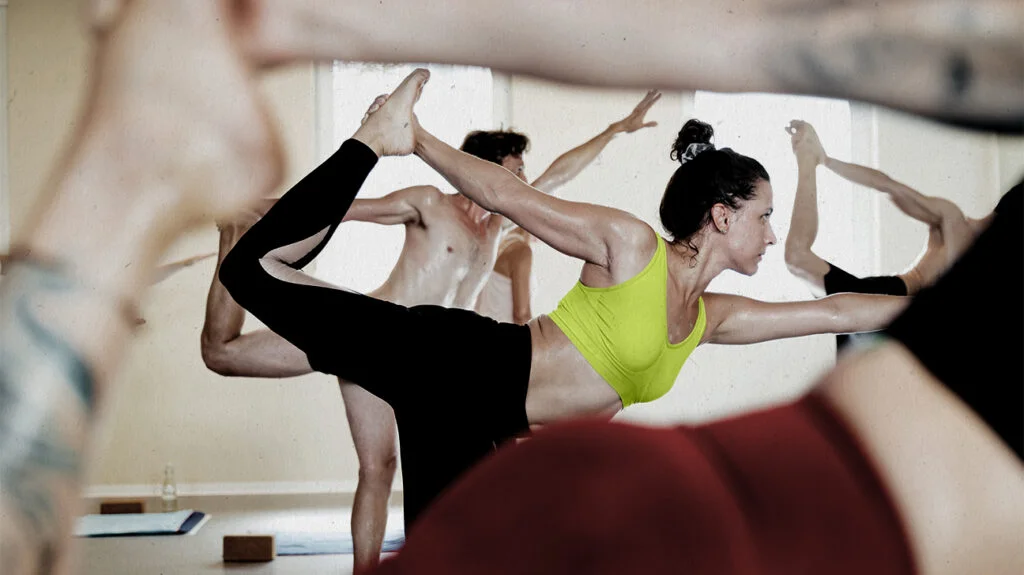
Dandayamana Dhanurasana (Standing Bow Pose)
Kick back one leg while reaching forward, like a graceful archer, toning arms and opening hips. Balance on one foot steadily. This pose taught me patience, as wobbles are part of the fun.
Tuladandasana (Balancing Stick)
Step forward, arms overhead, hinge like a T-shape to stretch the heart and build endurance. Hold for 10 seconds. It’s a cardio spike in disguise, leaving legs shaky but stronger.
Dandayamana Bibhaktapada Paschimotthanasana (Standing Separate Leg Stretching Pose)
Spread legs wide, fold forward grabbing heels to release lower back tension. Breathe deeply into the stretch. Perfect for desk workers like me who need hip openers.
Trikanasana (Triangle Pose)
Lunge sideways, arm up, twisting to engage obliques and thighs for overall toning. Align hips squarely. This one sculpts the waistline beautifully over time.
Dandayamana Bibhaktapada Janushirasana (Standing Separate Leg Head to Knee)
Round down with legs apart, compressing throat for thyroid health and core strength. Tuck chin in. It’s humbling, reminding me fitness is about progress, not perfection.
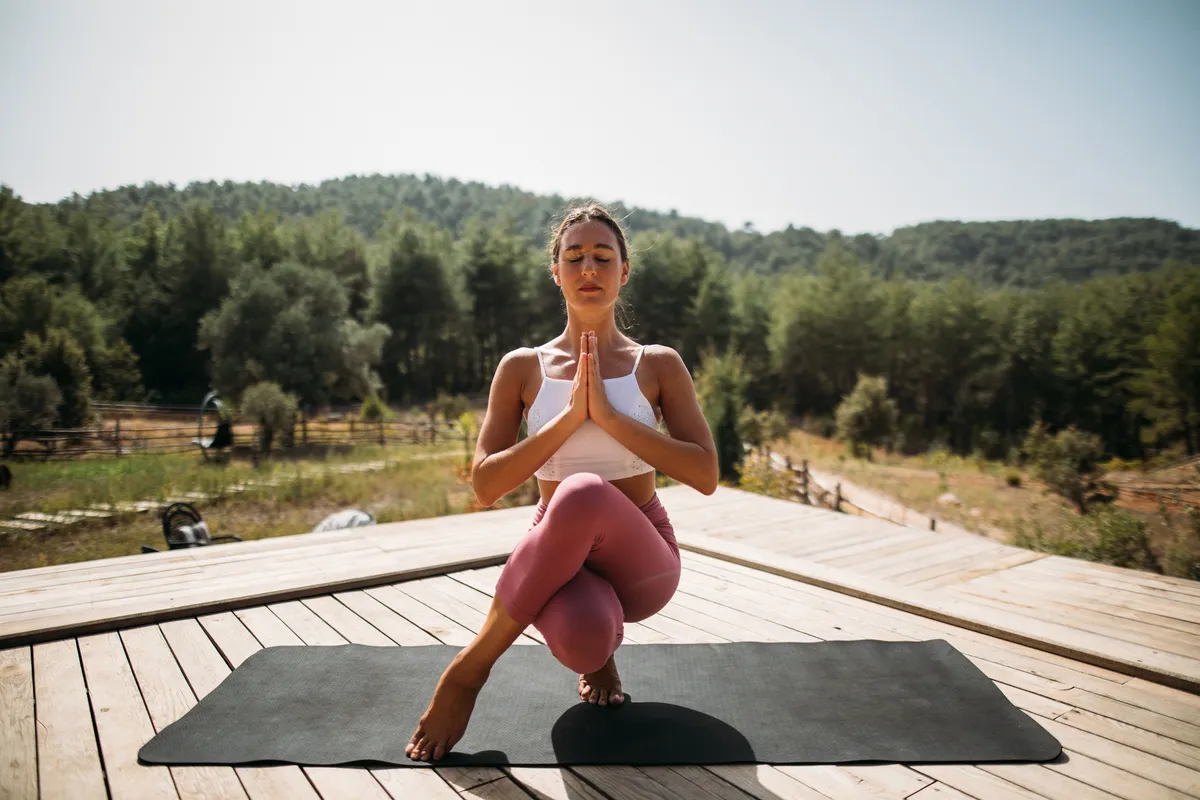
Tadasana (Tree Pose)
Balance on one leg, foot to thigh, hands in prayer—boosts concentration and ankle stability. Grow tall like a tree. A serene moment amid the heat, grounding the mind.
Padangustasana (Toe Stand)
From tree, squat to toes, balancing precariously to fortify knees and focus. Rise slowly. Hilarious fails here built my resilience and quad power.
The Floor Series: Deep Stretches and Recovery
Shifting to the mat, these poses massage organs, release toxins, and build inner strength after the standing burn. They allow recovery while targeting deeper tissues. For me, this is where the real detox magic happens, leaving me refreshed.
Savasana (Corpse Pose)
Lie flat, palms up, relaxing every muscle to integrate the standing work and calm the nervous system. Breathe naturally. It’s the reset button, essential for avoiding burnout.
Pavanamuktasana (Wind-Removing Pose)
Hug one knee to chest, then both, to aid digestion and relieve back pain. Squeeze firmly. Great for post-meal bloat, as I’ve discovered after big dinners.
Sit-Up
From lying, exhale twice, crunch up reaching for toes—strengthens abs like a yoga plank. Repeat between floor poses. Keeps the core engaged throughout.
Bhujangasana (Cobra Pose)
Lift chest on elbows, arching back to strengthen spine and open lungs. Look up gently. This counteracts slouching from desk life perfectly.
Salabhasana (Locust Pose)
Lift legs prone, arms under body, toning glutes and back for better posture. Press hips down. A powerhouse for lower body endurance.
Poorna Salabhasana (Full Locust Pose)
Arch entire body up like an airplane, engaging everything for total strength. Lift high. Feels superhero-like, boosting confidence.
Dhanurasana (Bow Pose)
Grab ankles, kick back to open chest and stretch quads deeply. Rock gently. Relieves fatigue, as it did for my marathon training.
Supta Vajrasana (Fixed Firm Pose)
Kneel back on heels, reclining to stretch thighs and ankles. Hands overhead. Eases knee tension from running.
Ardha Kurmasana (Half Tortoise Pose)
From kneeling, fold forward, arms extended, for brain oxygenation and relaxation. Touch forehead down. A cooling break in the heat.
Ustrasana (Camel Pose)
Kneel, arch back grabbing heels to open heart and throat. Push hips forward. Emotional release here—I’ve felt tears of relief.
Sasangasana (Rabbit Pose)
From child’s pose, grab heels, lift hips rounding spine for neck stretch. Pull gently. Compresses organs for detox.
Janushirasana with Paschimotthanasana (Head to Knee with Stretching Pose)
Extend one leg, fold over, then both for hamstring and spine health. Grab feet. Calms the mind pre-final twist.
Ardha Matsyendrasana (Spine-Twisting Pose)
Twist seated, arm hooked, wringing out toxins like a sponge. Switch sides. Ends the series on a balanced note.
Kapalabhati (Blowing in Firm)
Sit tall, rapid exhales pumping belly for lung cleansing and energy surge. 60 breaths. The fiery finish, invigorating like coffee without jitters.
People Also Ask
Based on common Google queries, here are real questions folks search about these poses.
What are the 26 poses of Bikram yoga?
The sequence includes standing deep breathing, half moon, awkward, eagle, and more, up to spine twist and final breathing—each done twice in heat for max benefit.
Is Bikram yoga good for weight loss?
Absolutely, the combo of heat and poses burns calories while building muscle, aiding fat loss—many drop pounds with regular practice, as studies suggest.
Can beginners do Bikram yoga?
Yes, but start hydrated and take breaks; the fixed sequence allows progress at your pace, unlike flowing styles.
What are the benefits of Bikram yoga?
From flexibility to stress relief, it improves strength, detoxifies, and enhances mental focus, backed by research on balance and heart health.
Is Bikram yoga safe?
Generally yes, but consult a doctor for conditions like high blood pressure; proper hydration minimizes risks like dizziness.
FAQ
How often should I practice the 26 Bikram poses?
Aim for 3-5 times a week for noticeable fitness gains, but listen to your body—overdoing it leads to fatigue, as I learned early on.
Do I need a hot room to do Bikram yoga at home?
Not strictly, but warmth helps; a heated space or hot shower pre-practice mimics benefits without a full sauna setup.
What should I eat before a Bikram session?
Light snacks like bananas or nuts 2 hours prior; avoid heavy meals to prevent nausea in the heat.
Can Bikram yoga help with back pain?
Yes, poses like cobra and camel strengthen and stretch the spine, easing chronic aches—it’s been a game-changer for my desk-job woes.
Is there an age limit for Bikram yoga?
No, from teens to seniors, modifications make it accessible; just pace yourself and hydrate well.
There you have it—that sweaty, satisfying world of Bikram’s 26 poses unpacked. Whether you’re chasing fitness goals or just curious, give it a try; it might just hook you like it did me. For more tips, check our guide to yoga basics or explore Yoga Journal for deeper dives. Namaste and stay fit!