A Quick Guide to Hatha Yoga Philosophy
Hey there, if you’re reading this, maybe you’re like I was a few years back—stressed out from a desk job, scrolling through endless wellness tips, and wondering if yoga could actually make a difference without turning me into a pretzel. I remember my first Hatha class; I showed up in baggy sweats, barely able to touch my knees, let alone my toes. But something clicked—the gentle flow, the focus on breath—it felt like hitting a reset button on life. Fast forward, and Hatha Yoga philosophy has become my go-to for balance in a chaotic world. This guide dives deep into its essence, drawing from ancient wisdom to modern practice, all while keeping things real and relatable. Whether you’re a newbie or brushing up, let’s explore how this timeless path can bring harmony to your body and mind.
What is Hatha Yoga Philosophy?
Hatha Yoga philosophy isn’t just about striking poses; it’s a holistic approach rooted in balancing opposing forces within us, like the sun (ha) and moon (tha) energies that symbolize action and calm. At its core, it teaches us to harness physical practices to quiet the mind and awaken inner potential, moving beyond mere exercise to a deeper union of body, breath, and spirit. Think of it as stubborn persistence—Hatha literally means “force” or “effort”—pushing through distractions to find that sweet spot of steadiness and ease in every posture.
Origins and Meaning of Hatha
The word Hatha breaks down to “ha” for solar, active energy and “tha” for lunar, receptive vibes, emphasizing harmony between these dualities we all carry inside. Emerging from ancient Indian traditions around the 11th century, it draws from Tantric and Nath yogi lineages, where sages like Gorakhnath saw the body as a temple for spiritual growth. Unlike abstract philosophies, Hatha makes enlightenment tangible by starting with the physical, reminding us that true wisdom begins when we align our everyday movements with cosmic balance.
History of Hatha Yoga
Hatha Yoga’s story kicks off in medieval India, blending Buddhist Tantra and Hindu Shaivism into a system that democratized spiritual practice for everyone, not just ascetics. From the 11th-century Amṛtasiddhi text to the 15th-century compilation by Svātmārāma, it evolved amid cultural shifts, facing suppression under Mughal and British rule before a 20th-century revival through pioneers like Krishnamacharya. Today, it’s global, adapted into styles like Iyengar and Sivananda, proving its timeless appeal in our fast-paced lives—much like how it pulled me through my own burnout phase.
Key Texts in Hatha Yoga Philosophy
These foundational writings aren’t dusty relics; they’re practical manuals that outline how to purify the body for higher awareness, blending poetry with step-by-step guidance. I still flip through them during quiet mornings, finding fresh insights each time. They emphasize practice over theory, making Hatha accessible yet profound.
- Hatha Yoga Pradipika: Compiled in the 15th century by Svātmārāma, this is the go-to classic, detailing asanas, pranayama, mudras, and more for awakening kundalini energy.
- Gheranda Samhita: A 17th-century encyclopedia focusing on body purification through shatkarmas and 32 asanas, treating the body like a vessel (ghata) for the soul.
- Shiva Samhita: From the 15th century, it dives into philosophical depths, covering chakras, nadis, and meditation for ultimate liberation.
| Key Text | Author/Compiler | Century | Main Focus |
|---|---|---|---|
| Hatha Yoga Pradipika | Svātmārāma | 15th | Asanas, pranayama, mudras, bandhas for energy balance |
| Gheranda Samhita | Sage Gheranda | 17th | Purification practices, postures, and spiritual anatomy |
| Shiva Samhita | Unknown | 15th | Philosophy, chakras, and paths to moksha |
Core Principles of Hatha Yoga
Hatha philosophy revolves around “sthira sukham asanam”—finding stability and comfort in poses—which I learned the hard way after toppling over in my early tree pose attempts. It views the body as a microcosm of the universe, using practices to clear energy blocks and foster non-duality, where effort meets surrender. Ultimately, it’s about persistence, ethics like non-violence, and renunciation of ego for true freedom.
- Balance of energies: Harmonizing ida (lunar) and pingala (solar) nadis to activate the central sushumna channel.
- Purification: Through diet, ethics, and techniques to prepare for meditation and samadhi.
- Accessibility: Open to all, regardless of background, stressing practice as the key to siddhis (powers) and liberation.
Hatha Yoga Practices
These aren’t flashy Instagram moves; they’re tools for inner transformation, starting simple and building depth. When I began, focusing on breath turned chaotic days into centered ones—funny how something so basic can feel revolutionary.
Asanas (Postures)
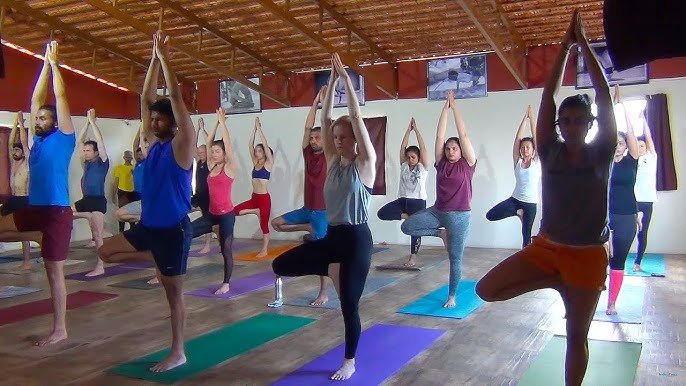
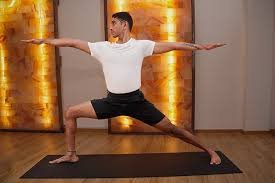
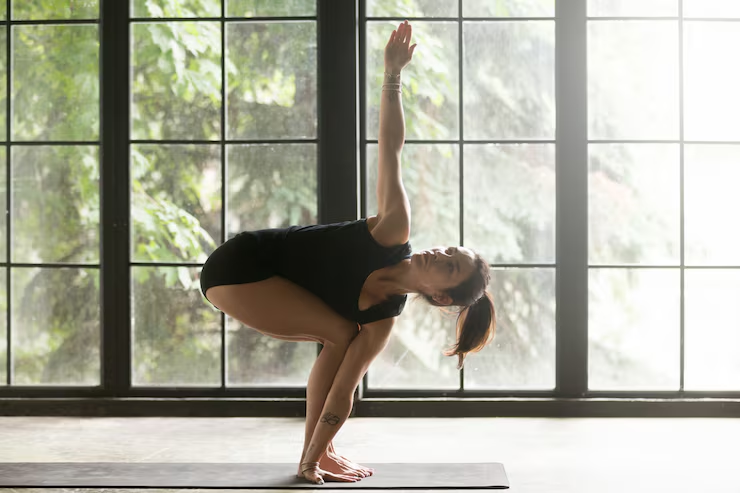
Asanas build strength and flexibility while teaching mindfulness, with classics like padmasana promoting stillness for meditation. Hold them steady, breathe deeply, and watch tension melt away—it’s like therapy without the couch. Start with basics to avoid strain, gradually advancing as your body adapts.
Pranayama (Breath Control)
Breath is life force—prana—and techniques like nadi shodhana alternate nostrils to clear channels and calm the mind. I use it before big meetings; it sharpens focus like nothing else. Practice gently to avoid dizziness, aiming for effortless control that leads to kevala kumbhaka, spontaneous retention.
Mudras and Bandhas (Seals and Locks)
Mudras like khechari direct energy upward, while bandhas such as mula lock stabilize the core during poses. They’re subtle but powerful—think of them as internal switches flipping on your vitality. Incorporate them mindfully to enhance asanas and pranayama without forcing.
Benefits of Hatha Yoga
Beyond the mat, Hatha builds resilience; I credit it for ditching my coffee addiction and sleeping better. It boosts physical health, mental clarity, and emotional balance, backed by centuries of wisdom . Who knew bending could straighten out life?
Pros and Cons of Hatha Yoga
Pros:
- Improves flexibility and strength gradually, reducing injury risk.
- Enhances mental focus and stress relief through mindful breathing.
- Accessible for all ages, promoting long-term wellness without high intensity.
Cons:
- Slower pace might bore those craving dynamic flows.
- Requires patience; benefits unfold over time, not overnight.
- Potential for strain if alignments are ignored—always listen to your body.
Hatha Yoga vs Other Yoga Styles
Hatha serves as the foundation for many modern styles, but it stands out for its gentle, introspective vibe compared to faster ones. Picture it as the wise elder sibling to Vinyasa’s energetic dance—both valuable, just different rhythms. This comparison highlights why Hatha suits beginners seeking depth over speed .
| Aspect | Hatha Yoga | Vinyasa Yoga | Ashtanga Yoga |
|---|---|---|---|
| Pace | Slow, static holds | Flowing, breath-synced movements | Vigorous, fixed sequences |
| Focus | Balance, alignment, philosophy | Cardio, transitions | Discipline, strength building |
| Intensity | Gentle to moderate | Moderate to high | High, athletic |
| Best For | Beginners, relaxation | Energy boost, variety | Advanced practitioners |
How to Start Practicing Hatha Yoga
Diving in is easier than you think—grab a mat and find a quiet spot at home or a local studio. I started with free online videos, then joined classes for guidance; it made all the difference in avoiding bad habits. Remember, consistency trumps perfection—aim for 20 minutes daily to build momentum.
Where to Get Hatha Yoga Classes
Look for certified studios via apps like ClassPass or sites like Yoga International . Community centers often offer affordable sessions, or try online platforms like Glo for on-demand access. For immersion, retreats in places like Rishikesh provide authentic experiences—check reviews on TripAdvisor.
Best Tools for Hatha Yoga Practice
Invest in a non-slip mat from Manduka for stability during holds. Props like blocks from Hugger Mugger help modifications, while books such as “Light on Yoga” by B.K.S. Iyengar deepen understanding . Apps like Down Dog offer guided sessions, making practice portable and fun.
People Also Ask
Drawing from common searches, here are real questions folks type into Google about Hatha Yoga philosophy, with straightforward answers to satisfy that curiosity.
What is the meaning of Hatha Yoga?
Hatha means uniting sun and moon energies for balance, focusing on physical practices to prepare for spiritual growth .
What are the 4 pillars of Hatha Yoga?
They include asanas for posture, pranayama for breath, mudras for energy seals, and meditation for inner peace.
Is Hatha Yoga difficult?
Not really—it’s beginner-friendly with modifiable poses, though building endurance takes time and patience .
What is the difference between yoga and Hatha Yoga?
All physical yoga stems from Hatha; general “yoga” often refers to broader philosophies like Patanjali’s eight limbs .
FAQ
What makes Hatha Yoga philosophy unique?
It emphasizes physical mastery as a gateway to the mind, blending effort with ease to balance life’s dualities, unlike more mental-focused paths.
Can beginners practice Hatha Yoga at home?
Absolutely—start with simple sequences from reliable sources like YouTube channels by Yoga with Adriene, using props for support.
How often should I practice Hatha Yoga for benefits?
Three to five times a week for 30-60 minutes builds consistency; even short sessions help reduce stress and improve flexibility over time.
Are there any risks in Hatha Yoga?
Minimal if done mindfully—avoid if you have acute injuries, and consult a doctor; always warm up to prevent strains.
Where can I learn more about Hatha Yoga texts?
Dive into translations of the Hatha Yoga Pradipika on sites like Sacred Texts or join online courses from platforms like Yoga Alliance .
In wrapping up, Hatha Yoga philosophy isn’t a quick fix—it’s a lifelong companion that evolves with you, just as it did for me through ups and downs. Give it a shot; you might surprise yourself with how grounded and alive you feel. For more on poses, check our [internal link to /hatha-yoga-poses-guide]. Stay balanced!