What You Need to Know About Hatha Yoga
Hey there, if you’re curious about diving into yoga but feel overwhelmed by all the styles out there, let’s chat about Hatha yoga. It’s like the welcoming front door to the yoga world – gentle, foundational, and perfect for anyone starting out or seeking balance in a hectic life. I’ve been practicing for over a decade now, and I still turn to Hatha when I need to slow down and reconnect with my body. Think of this article as your friendly guide, packed with everything from its ancient roots to practical tips that’ll have you rolling out your mat with confidence.
The Origins of Hatha Yoga
Picture this: thousands of years ago in ancient India, yogis were experimenting with ways to harmonize body and mind long before yoga became a trendy workout. Hatha yoga traces back to texts like the 11th-century Amṛtasiddhi, blending influences from tantric Buddhism and Hindu traditions, with key figures like Gorakhnath shaping its physical focus. It evolved as a “forceful” path – “ha” for sun and “tha” for moon – aiming to channel vital energy through postures and breath.
What is Hatha Yoga?
At its core, Hatha yoga is all about physical practices that prepare you for deeper meditation, emphasizing slow, deliberate movements to build strength and flexibility. Unlike faster flows, it holds poses longer, letting you tune into your breath and alignment, which makes it ideal for stress relief and mindfulness. From my own journey, starting Hatha felt like learning to breathe again – simple yet transformative.
Key Principles of Hatha Yoga
Hatha rests on balancing opposites: effort and ease, strength and surrender, often through principles like enthusiasm, patience, and ethical living from ancient texts. It promotes purifying the body via diet and cleanses, while fostering qualities like courage and determination for spiritual growth. In practice, it’s about listening to your limits – no pushing to the point of pain, just steady progress.
Main Components: Asanas, Pranayama, and More
The building blocks include asanas (postures) for stability, pranayama (breath control) to regulate energy, and mudras (seals) to direct inner flow. Add in shatkarmas for cleansing and meditation for calm – it’s a holistic toolkit. I once skipped pranayama in my routine and felt scattered; incorporating it brought that elusive inner peace.
Benefits of Hatha Yoga
Regular Hatha practice boosts physical health by improving flexibility and posture, while mentally it reduces anxiety and sharpens focus – backed by studies showing lower stress hormones. It’s not just exercise; it’s a mood lifter that enhances sleep and even supports habits like quitting smoking. Emotionally, it builds resilience, turning “I can’t” into “I’ll try” with each session.
- Physical Perks: Increases muscle tone, eases back pain, and enhances joint mobility.
- Mental Gains: Promotes relaxation, sharpens concentration, and combats depression.
- Overall Wellness: Balances energy (chakras), improves digestion, and slows aging effects.
- Spiritual Side: Fosters self-awareness and a sense of connection to something bigger.
Pros of Hatha Yoga:
- Accessible for all ages and fitness levels.
- Low-impact, reducing injury risk.
- Builds a strong foundation for advanced yoga.
Cons of Hatha Yoga:
- Slower pace might bore thrill-seekers.
- Requires patience to see deep changes.
- Not ideal for quick cardio workouts.
Hatha Yoga vs. Other Styles
Ever wondered how Hatha stacks up against flashier yogas? It’s the steady tortoise to their hare – focused on hold and breathe rather than constant motion. This makes it great for beginners, while others amp up the intensity. Let’s break it down in a simple comparison.
| Style | Pace | Focus | Best For |
|---|---|---|---|
| Hatha | Slow, deliberate | Alignment, breath, holds | Beginners, relaxation, mindfulness |
| Vinyasa | Fast, flowing | Breath-synchronized movement | Cardio, dynamic energy, intermediate levels |
| Ashtanga | Structured, vigorous | Set sequences, strength | Discipline, athletic build, advanced practitioners |
| Iyengar | Precise, prop-heavy | Alignment with aids | Injury recovery, detail-oriented folks |
Hatha vs. Vinyasa
Hatha moves slowly into poses with longer holds, emphasizing breath and mind-body sync, while Vinyasa links movements fluidly for a workout feel. If Hatha’s like a calm stroll, Vinyasa’s a dance party – both great, but Hatha suits those craving introspection. I switched to Vinyasa once for variety and missed Hatha’s grounding vibe.
Hatha vs. Ashtanga
Ashtanga follows fixed sequences with jumps and strength-building, demanding endurance, whereas Hatha offers flexibility in poses without the rigid structure. It’s more forgiving if you’re nursing a sore knee, like I was after a hike gone wrong. Ashtanga builds heat quickly; Hatha lets you ease in.
Getting Started with Hatha Yoga for Beginners
Rolling out your mat for the first time? Start simple: find a quiet spot, wear comfy clothes, and follow a 30-minute online class to avoid overwhelm. Remember my rookie mistake – trying advanced poses too soon led to a pulled muscle and a week off. Build gradually, listen to your body, and celebrate small wins like holding a pose a breath longer.
Essential Hatha Yoga Poses
Begin with basics like Mountain Pose to ground yourself, then ease into forward bends for hamstring release. These asanas, or postures, are drawn from texts like the Hatha Yoga Pradipika, numbering around 84 traditionally but starting with 10-15 for newbies. Don’t fret if you’re wobbly; even pros started there – humorously, my first Tree Pose looked more like a falling branch!
- Tadasana (Mountain Pose): Stand tall, feet together, arms at sides – builds posture and awareness.
- Adho Mukha Svanasana (Downward Dog): Hands and feet on mat, hips up – stretches back and legs.
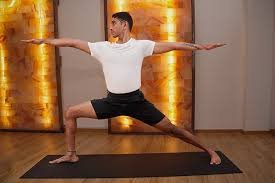
- Virabhadrasana (Warrior Pose): Lunge with arms extended – strengthens legs and boosts confidence.
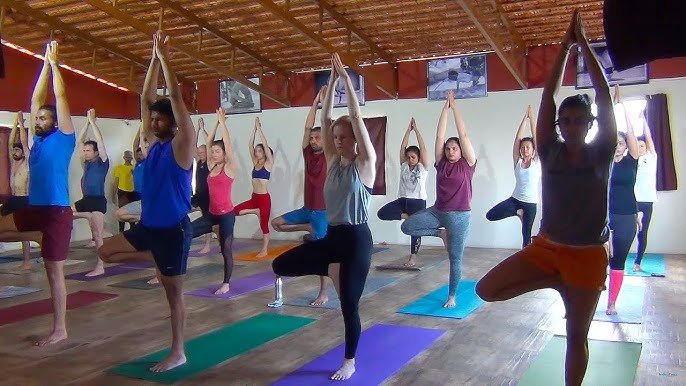
- Vrikshasana (Tree Pose): Balance on one leg, foot on thigh – improves focus and stability.
- Paschimottanasana (Seated Forward Bend): Sit, fold over legs – calms mind, stretches spine.
- Balasana (Child’s Pose): Kneel, fold forward – restorative rest between poses.
- Savasana (Corpse Pose): Lie flat, relax – integrates benefits, promotes deep relaxation.
For more pose guides, check our internal link to beginner sequences. Externally, Yoga Journal has great tutorials here.
Where to Find Hatha Yoga Classes
Hunting for classes? Local studios like those from Isha Foundation offer in-person sessions, but for convenience, hop online – YouTube channels like Fightmaster Yoga provide free 30-60 minute Hatha flows. Apps like DoYogaWithMe have tons of no-cost videos, or search “hatha yoga classes near me” for community spots. I found my groove with free online trials before committing to a studio membership.
If you’re in Charlotte, NC, groups like Khali Yoga Center host affordable classes, some even free for newcomers. For global access, Isha’s programs are available worldwide via their site.
Best Tools and Props for Hatha Yoga Practice
Gear up without breaking the bank: a good mat is essential for grip during holds, and props like blocks help modify poses for beginners. From my trial-and-error days, skipping props led to frustration – now I swear by them for deeper stretches. Look for eco-friendly options to align with yoga’s mindful ethos.
| Product | Type | Why It’s Great | Price Range (2025) |
|---|---|---|---|
| JadeYoga Harmony | Mat | Natural rubber grip, durable for sweaty sessions | $80-100 |
| Manduka PRO | Mat | Lifetime guarantee, cushioned for joints | $120-140 |
| Gaiam Cork | Mat | Eco-friendly, antimicrobial surface | $50-70 |
| Yogamatters Block | Prop | Foam for support in poses like Warrior | $10-15 |
| Manduka Strap | Prop | Cotton for extending reach in binds | $15-20 |
For the best deals, shop at sites like Manduka or Amazon. If budgeting, start with a basic mat and add props as you progress.
People Also Ask
What is the difference between yoga and Hatha Yoga?
Yoga is the broad umbrella encompassing spiritual, mental, and physical paths, while Hatha specifically focuses on physical postures and breath to prepare for meditation. Essentially, most Western “yoga” classes are Hatha-based, but true yoga includes philosophies like those in Patanjali’s Sutras. It’s like Hatha is the bodywork, and yoga the full lifestyle.
What are the 5 principles of Hatha Yoga?
Key principles include proper exercise (asanas), breathing (pranayama), relaxation (savasana), diet (mitahara), and positive thinking (vedanta). They guide a balanced life, emphasizing moderation and awareness. In my practice, skipping relaxation left me wired – these keep everything in harmony.
Is Hatha Yoga good for beginners?
Absolutely, its slow pace allows time to learn alignments without rushing, reducing injury risk and building confidence gradually. Unlike intense styles, it meets you where you are. I started as a total newbie and felt empowered, not intimidated.
What are the benefits of Hatha Yoga?
From flexibility boosts to stress reduction, it enhances overall well-being, improves sleep, and even aids emotional health. Research links it to lower arthritis pain and better habits. Personally, it turned my chaotic days into centered ones.
FAQ
Is Hatha Yoga suitable for weight loss?
While not primarily cardio, its strength-building poses and mindful eating principles can support weight management when combined with diet. It boosts metabolism over time, but pair it with walks for faster results. I’ve shed a few pounds just by practicing consistently.
How often should I practice Hatha Yoga?
Aim for 3-5 sessions weekly, 30-60 minutes each, to see benefits without burnout. Consistency trumps intensity – even daily short practices work wonders. Listen to your body; rest days are key, as I learned after overdoing it early on.
Can Hatha Yoga help with anxiety?
Yes, through deep breathing and meditation, it calms the nervous system and reduces cortisol levels. Studies show regular practice eases symptoms. For me, it’s like a reset button during tough times – try it and feel the shift.
What’s the difference between Hatha and Iyengar Yoga?
Hatha is general with varied poses, while Iyengar emphasizes precise alignment using props. Both are slow, but Iyengar suits those with injuries. I dabbled in Iyengar for better form and it refined my Hatha flow.
Are there any risks in Hatha Yoga?
Minimal if done mindfully, but overstraining can cause strains – always warm up and modify. Consult a doctor for conditions like high blood pressure. My tip: find a qualified teacher to guide you safely.
Wrapping up, Hatha yoga isn’t just poses; it’s a journey to better you. Whether chasing calm or strength, give it a shot – you might surprise yourself. If my story inspires one mat unroll, that’s a win. Namaste!