5 Reasons Why You Should Practice Hatha Yoga
Hey there, friend. Let me take you back to a rainy afternoon about five years ago when I first unrolled a yoga mat in my cramped living room. I was stressed out from a desk job that had me hunched over a computer all day, my back screaming for mercy, and my mind racing like it was training for a marathon. A buddy suggested trying Hatha yoga—nothing fancy, just some basic poses and breathing. Skeptical? Absolutely. But after that first session, something clicked. My muscles loosened up, my thoughts quieted down, and I felt this quiet energy buzzing inside me. It wasn’t an overnight transformation, but it sparked a journey that’s changed how I move through life. If you’re reading this, maybe you’re in a similar spot—curious about Hatha yoga benefits but unsure where to start. Well, stick around because I’m diving into five solid reasons why incorporating Hatha yoga practice into your routine could be one of the best decisions you make. Drawing from my own experiences, chats with instructors, and insights from reliable sources like the Isha Foundation, we’ll explore how this ancient practice builds strength, eases tension, and more. Trust me, it’s not just about twisting into pretzels; it’s about finding balance in a chaotic world.
What is Hatha Yoga?
Hatha yoga is often called the foundation of all physical yoga styles, blending gentle postures with controlled breathing to harmonize your body and mind. Originating from ancient Indian texts like the Hatha Yoga Pradipika, it focuses on “ha” (sun) and “tha” (moon) energies for inner equilibrium. Unlike faster-paced classes, Hatha emphasizes holding poses to build awareness and strength gradually.
Key Elements of Hatha Yoga
At its core, Hatha involves asanas (poses), pranayama (breath work), and sometimes meditation or relaxation techniques like shavasana. These elements work together to detoxify your system and prepare you for deeper spiritual practices. It’s accessible for beginners, making it a great entry point into yoga.
How Hatha Differs from Other Styles
While styles like Vinyasa flow dynamically with breath, Hatha is slower and more deliberate, allowing time to refine alignment. This makes it ideal if you’re recovering from injury or prefer a mindful pace over cardio-like intensity. Think of it as yoga’s steady anchor in a sea of trendy variations.
Reason 1: Builds Physical Strength and Flexibility
Picture this: I used to struggle touching my toes without feeling like my hamstrings were about to snap. After a few months of regular Hatha sessions, not only could I fold forward effortlessly, but my core felt rock-solid too. This reason tops the list because Hatha yoga poses target multiple muscle groups, enhancing overall body resilience without the strain of high-impact workouts.
Core Poses That Boost Strength
Mountain pose (Tadasana) grounds you while engaging your legs and spine for better posture. Downward-facing dog strengthens arms and stretches calves, creating that full-body burn in a subtle way. These basics build a foundation that carries over to daily life, like lifting groceries without wincing.
Flexibility Gains Over Time
Holding poses like forward bends or warrior variations gradually lengthens tight muscles, reducing injury risk. It’s not magic—consistent practice rewires your body, as studies show yoga improves range of motion in joints. I remember laughing at myself during my first child’s pose; now it’s my go-to for instant relief.
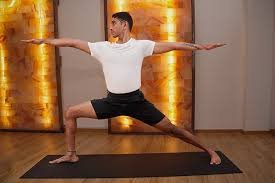
- Warrior II (Virabhadrasana II): Strengthens legs and opens hips.
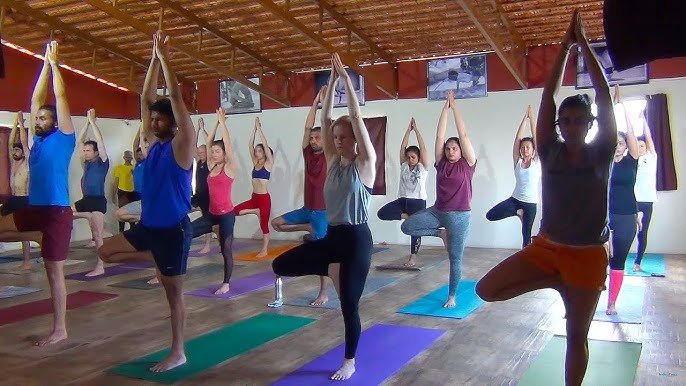
- Tree Pose (Vrksasana): Improves balance and ankle stability.
- Seated Forward Bend (Paschimottanasana): Stretches the back and hamstrings.
Reason 2: Reduces Stress and Promotes Mental Clarity
Life throws curveballs—deadlines, family drama, you name it. For me, Hatha became a sanctuary when anxiety hit hard during a tough year. The focused breathing calms the nervous system, melting away tension like butter on a hot pan, leaving you with sharper focus and emotional steadiness.
Breath Work’s Role in Stress Relief
Pranayama techniques, like alternate nostril breathing, balance your mind and lower cortisol levels. It’s hilarious how something as simple as inhaling deeply can shift your mood from frazzled to zen. Regular practice even helps with sleep, turning restless nights into restorative ones.
Mental Benefits Backed by Experience
I’ve seen friends transform from scatterbrained to laser-focused after starting Hatha. It fosters mindfulness, helping you observe thoughts without judgment, much like meditation but with movement. Emotional appeal? It’s that warm hug for your brain when everything else feels overwhelming.
Here’s a quick pros and cons list for Hatha yoga’s stress-busting effects:
Pros:
- Quick mood lift from endorphin release.
- Portable practice—no gym needed.
- Builds resilience against daily stressors.
Cons:
- Requires patience; results aren’t instant.
- Might feel awkward at first if you’re new.
Reason 3: Supports Heart Health and Overall Wellness
One morning, post-Hatha, I noticed my usual coffee jitters were gone—my heart rate felt steady. This practice isn’t just feel-good fluff; it promotes cardiovascular health by regulating blood pressure and improving circulation, as noted in wellness resources. It’s like giving your ticker a gentle tune-up.
How Poses Aid Circulation
Inversions like shoulder stand increase blood flow to the brain, while twists massage internal organs for better detox. My doctor even remarked on my improved cholesterol after I shared my routine—small wins add up.
Long-Term Wellness Perks
Beyond the heart, Hatha enhances immunity and digestion, keeping you vibrant. It’s touching how something ancient still holds up against modern health woes, reminding us to slow down in a fast world.
| Aspect | Hatha Yoga Impact | Daily Life Benefit |
|---|---|---|
| Heart Rate | Lowers resting rate | Reduces fatigue |
| Blood Pressure | Stabilizes levels | Prevents hypertension |
| Circulation | Boosts flow | Warmer extremities, less swelling |
Reason 4: Enhances Balance and Posture
Remember slouching through meetings? Hatha fixed that for me by realigning my spine—suddenly, I stood taller, felt more confident. This reason shines for anyone desk-bound, as poses correct imbalances and build proprioception for graceful movement.
Poses for Better Alignment
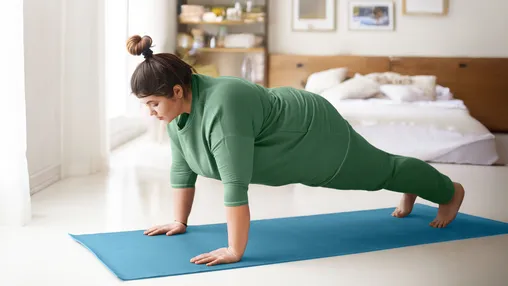
Plank variations fortify your core, while balancing acts like eagle pose challenge stability. It’s amusing how wobbling at first leads to rock-steady poise over time.
Posture’s Emotional Tie-In
Good alignment isn’t vain; it boosts self-esteem and reduces back pain. I’ve felt that shift—from dragging feet to striding with purpose—it’s empowering.
Comparison: Hatha vs. Vinyasa for Balance
- Hatha: Slower holds build endurance; great for beginners focusing on form.
- Vinyasa: Fluid transitions test dynamic balance; more cardio-oriented.
- Hatha wins for foundational stability, while Vinyasa adds flow for advanced practitioners.
Reason 5: Fosters a Deeper Mind-Body Connection
The real magic? Hatha tuned me into my body’s signals—like knowing when to rest or push. This connection goes beyond physical; it’s about self-awareness, turning practice into a lifelong companion for holistic growth.
Meditation Integration
Ending with savasana integrates the session, promoting inner peace. It’s emotionally grounding, especially on rough days when you need that internal reset.
Spiritual Side Without the Woo
No need for mysticism; it’s practical—better decisions, kinder self-talk. My story? It helped me navigate a career change with clarity I didn’t know I had.
People Also Ask
Drawing from common Google queries, here’s a dive into what folks often wonder about Hatha yoga.
What is the difference between Hatha and Vinyasa yoga?
Hatha is slower, pose-focused for alignment; Vinyasa links movements with breath for a flowing, energetic class.
Is Hatha yoga good for beginners?
Absolutely—its gentle pace allows learning basics without overwhelm, perfect for building confidence.
What are the benefits of Hatha yoga?
From flexibility to stress reduction, it supports physical health, mental clarity, and emotional balance.
How often should I practice Hatha yoga?
Aim for 3-5 sessions weekly; consistency trumps intensity for lasting results.
Where to Get Started with Hatha Yoga
Looking for classes? Check online platforms like Yoga International or Glo for guided sessions. Locally, search “Hatha yoga near me” on apps like Mindbody. For home practice, free YouTube channels like Yoga with Kassandra offer beginner-friendly flows.
Best Tools for Hatha Yoga Practice
Invest in a non-slip mat like Manduka for stability—essential for holds. Blocks and straps from brands like Hugger Mugger aid modifications. Apps like Down Dog customize routines, blending transactional ease with your practice.
FAQ
What should I wear to a Hatha yoga class?
Opt for comfortable, breathable clothes like leggings and a fitted top—nothing too loose to avoid slips.
Can Hatha yoga help with weight loss?
Yes, combined with diet, its strength-building and stress-lowering effects support sustainable weight management.
Is Hatha yoga suitable for seniors?
Definitely; modifications make it gentle on joints, improving mobility as research on older adults shows.
How long is a typical Hatha session?
Usually 45-90 minutes, including warm-up, poses, and relaxation.
Does Hatha include meditation?
Often yes, through breath focus or closing savasana, enhancing mindfulness.
Wrapping up, these five reasons—strength, stress relief, heart health, balance, and connection—have kept me hooked on Hatha. If my ramblings sparked curiosity, grab a mat and try a pose. Who knows? It might just become your new favorite ritual. For more on yoga styles, check our [internal link to yoga basics]. External resources like Healthline offer deeper dives. Stay balanced out there.