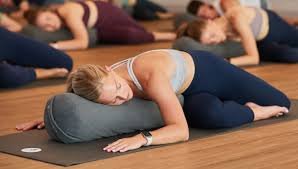
Yin Yoga: What Is It Actually?
I remember my first brush with yin yoga like it was yesterday. I was burnt out from a string of high-intensity workouts, feeling like my body was a tightly wound spring ready to snap. A friend dragged me to a class, promising it would be “chill.” Skeptical, I showed up, only to spend an hour holding poses that felt deceptively simple yet profoundly deep. By the end, I was hooked—not because it pushed me to my limits, but because it gently unraveled the tension I’d been carrying around. If you’ve ever wondered what yin yoga is beyond the buzz, it’s that quiet powerhouse of a practice that targets your deeper tissues, calms your mind, and restores balance in a world that’s always rushing. Let’s dive into what makes it tick, from its roots to how you can weave it into your life.
The Origins of Yin Yoga
Yin yoga traces its beginnings back to the late 1970s, when martial arts expert Paulie Zink blended ancient Taoist principles with long-held stretches from his kung fu training. It wasn’t until the 1990s that Paul Grilley and Sarah Powers popularized it in the West, refining the approach to focus on connective tissues and energy flow. This modern take draws from Chinese medicine’s meridians and Indian hatha traditions, creating a bridge between Eastern philosophies that’s accessible yet transformative. Today, it’s evolved into a global practice, with teachers like Bernie Clark adding layers of anatomy and mindfulness to keep it fresh and relevant.
Understanding Yin and Yang in Yoga
In yoga, yin and yang represent complementary forces—yin being passive, cooling, and inward-focused, while yang is active, heating, and outward-directed. Yin yoga embodies the yin side by emphasizing stillness and surrender, countering the dynamic energy of yang styles like vinyasa or power yoga. This balance is key; just as day needs night, your body thrives when you pair intense movement with restorative holds to prevent burnout and foster harmony.
How Yin Yoga Fits Into Your Routine
Think of yin as the soothing exhale after a frantic day—it’s not about replacing your sweaty sessions but enhancing them. By holding poses longer, you give your body time to release stored stress, making it ideal for evenings or recovery days. Many folks, myself included, find it sneaks in emotional relief too, like a quiet chat with your inner self that leaves you lighter.
Core Principles of Yin Yoga
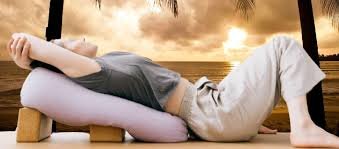
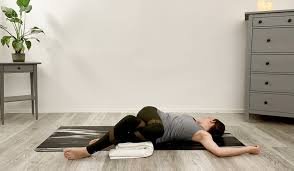
At its heart, yin yoga revolves around three main ideas: finding your edge without pushing past it, staying still to let the magic happen, and holding poses long enough for real change. These aren’t rigid rules but gentle guides that honor your body’s unique needs. Props like bolsters or blankets often come into play, turning discomfort into a cozy exploration of patience and presence.
- Find Your Edge: Ease into a sensation that’s noticeable but not painful, adjusting as needed.
- Remain Still: Once settled, minimize fidgeting to deepen the stretch and calm the mind.
- Hold for Time: Poses last 3-5 minutes or more, targeting fascia and joints over muscles.
- Use Props: Blocks or pillows support you, making the practice accessible for all levels.
Essential Yin Yoga Poses for Beginners
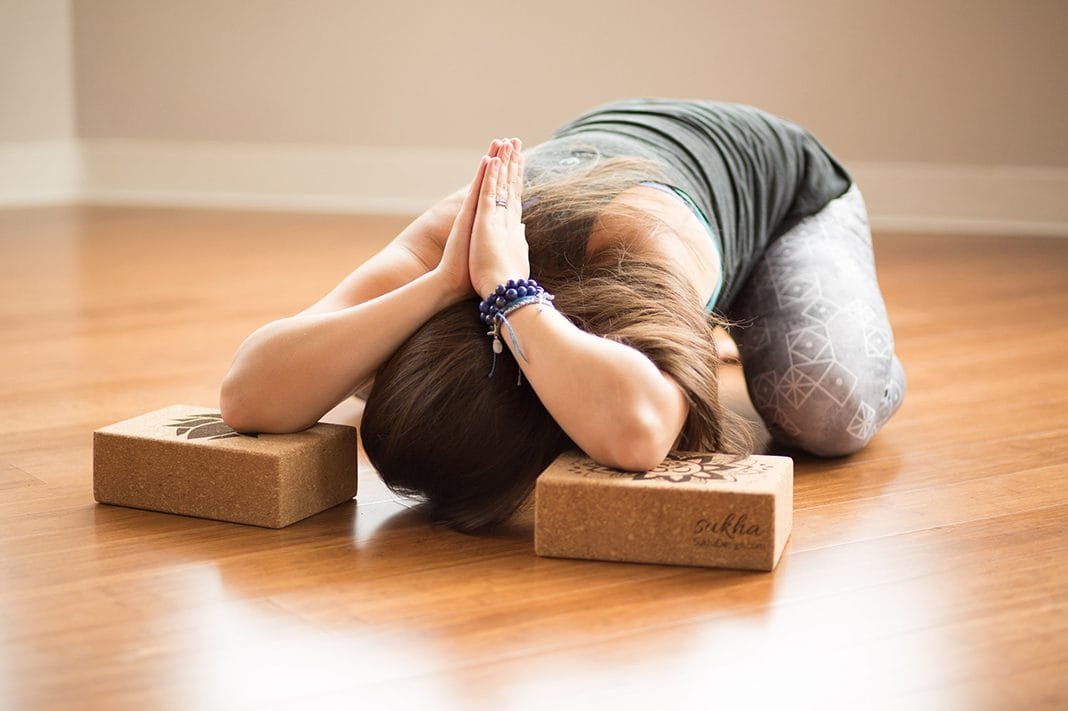
Getting started with yin doesn’t require fancy gear or flexibility—just a mat and an open mind. These foundational poses focus on the lower body, where tension loves to hide, and they’re perfect for newcomers. I started with child’s pose during a stressful week, and it felt like hitting reset on my spine—simple, yet so effective.
- Child’s Pose (Balasana): Kneel and fold forward, arms extended, to release the back and hips.
- Butterfly Pose (Baddha Konasana): Sit with soles together, knees open, for inner thigh and groin stretch.
- Dragon Pose (Anjaneyasana variation): Lunge deeply with back knee down, targeting hips and quads.
- Sphinx Pose: Lie on belly, elbows under shoulders, to gently arch the spine.
- Corpse Pose (Savasana): Lie flat to integrate the practice and relax fully.
Benefits of Practicing Yin Yoga
Regular yin sessions can transform how you feel, from easing joint stiffness to quieting mental chatter. I’ve noticed my sleep improves after a class, and that nagging lower back ache from desk life fades away. It’s not just physical; the meditative holds build emotional resilience, helping you navigate life’s ups and downs with a bit more grace.
Pros and Cons of Yin Yoga
Pros:
- Improves flexibility in connective tissues like fascia and ligaments.
- Reduces stress and anxiety through mindful stillness.
- Complements active lifestyles, aiding recovery and preventing injury.
- Accessible for beginners and those with limited mobility.
Cons:
- Can feel boring at first if you’re used to fast-paced workouts.
- Requires patience; results build slowly over time.
- Not ideal if you have acute injuries without modifications.
Yin Yoga vs. Hatha Yoga: A Detailed Comparison
While both yin and hatha stem from ancient roots, they serve different purposes in your practice. Hatha is more balanced, incorporating movement and breath for overall strength, whereas yin dives deep into passivity for tissue release. Picture hatha as a steady walk and yin as a long, contemplative sit—both valuable, but one energizes while the other restores.
| Aspect | Yin Yoga | Hatha Yoga |
|---|---|---|
| Pace | Slow, poses held 3-10 minutes | Moderate, holds for breaths or minutes |
| Focus | Connective tissues, meridians | Muscles, alignment, breath |
| Energy | Passive, cooling | Balanced, can be active |
| Benefits | Deep relaxation, flexibility | Strength, endurance, mindfulness |
| Best For | Recovery, stress relief | Building foundation, variety |
Where to Practice Yin Yoga
Finding a yin class is easier than ever, whether you prefer in-person vibes or the convenience of home. Local studios often offer evening sessions, but online platforms make it accessible anywhere. For those starting out, free YouTube channels like Yoga with Kassandra provide guided flows that feel personal and welcoming.
Best Online Platforms and Apps for Yin Yoga in 2025
If you’re like me and love practicing in pajamas, apps bring the studio to you. Alo Moves stands out with its vast library of yin classes, from beginner holds to themed sequences for hips or sleep. Glo offers mood-based filters, perfect for when you need a quick calm-down. For a budget-friendly option, Down Dog lets you customize sessions, including yin styles, with offline downloads.
Essential Tools for Your Yin Practice
To enhance your sessions, invest in a few basics. A thick yoga mat provides cushioning for long holds—try the Manduka PRO for durability. Bolsters or pillows support poses like supported bridge, easing into deeper stretches. For apps, MerryBody specializes in yin with over 200 classes, blending it seamlessly with meditation.
People Also Ask
Drawing from common searches, here are real questions folks are typing into Google about yin yoga, answered straight from the source.
What is yin yoga and how is it beneficial?
Yin yoga involves holding passive poses for extended times to target deep tissues and promote relaxation. It’s great for flexibility, stress reduction, and joint health, as it stimulates energy flow and calms the nervous system.
Can beginners do yin yoga?
Absolutely—yin is beginner-friendly since poses are simple and modifiable with props. It starts slow, building confidence without overwhelming you, and even seasoned yogis return to it for its grounding effects.
Why is yin yoga so powerful?
Its power lies in the stillness; by holding poses, you access layers of tension that dynamic yoga misses, fostering emotional release and mindfulness that spills into daily life.
Is yin yoga really yoga or just stretching?
It’s true yoga, blending physical holds with meditative intent rooted in Taoist philosophy. While it feels like deep stretching, the focus on breath and presence elevates it beyond mere flexibility work.
FAQ
How often should I practice yin yoga?
Aim for 2-3 times a week to see benefits without overdoing it. Listen to your body—if you’re feeling tight, add more; if sore, ease up. Consistency beats intensity here.
What should I wear for yin yoga?
Opt for comfortable, loose layers like sweatpants and a cozy top, since you’ll be still and might cool down. Socks can help if your feet get chilly during holds.
Can yin yoga help with anxiety?
Yes, many find relief as the long holds activate the parasympathetic nervous system, reducing cortisol and promoting calm. Pair it with breathwork for even better results.
Is yin yoga safe during pregnancy?
With modifications, yes—focus on supported poses and avoid deep twists. Always consult your doctor, and look for prenatal yin classes on apps like Glo.
What’s the best time of day for yin yoga?
Evenings are ideal to unwind and prepare for sleep, but anytime works. Mornings can loosen stiff joints, while afternoons provide a mid-day reset.
In wrapping up, yin yoga isn’t just a trend—it’s a gentle reminder to slow down in a fast world. From that first class where I melted into the mat, it’s become my go-to for balance. Whether you’re seeking physical ease or mental peace, give it a try; you might find it whispers exactly what you need. For more on getting started, check out YinYoga.com or explore classes on Alo Moves. Your body will thank you.