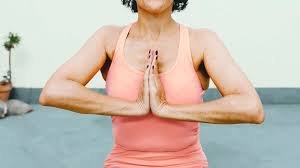
Amazing Benefits of Vinyasa Yoga
Hey there, if you’ve ever felt like life is throwing you curveballs faster than you can dodge them, let me tell you about vinyasa yoga. I stumbled into my first class about five years ago, right after a rough breakup left me feeling scattered and out of shape. Picture this: me, awkwardly trying to sync my breath with movements that felt more like a clumsy dance than exercise. But by the end, that flow had me hooked – my mind clearer, body energized, like I’d just hit reset on my whole day. Vinyasa isn’t just poses; it’s this rhythmic journey that links breath to motion, turning a simple mat session into something transformative. In this article, we’ll dive deep into why it’s amazing, from boosting your strength to calming your chaos, all backed by real insights and a touch of my own trial-and-error tales.
What is Vinyasa Yoga?
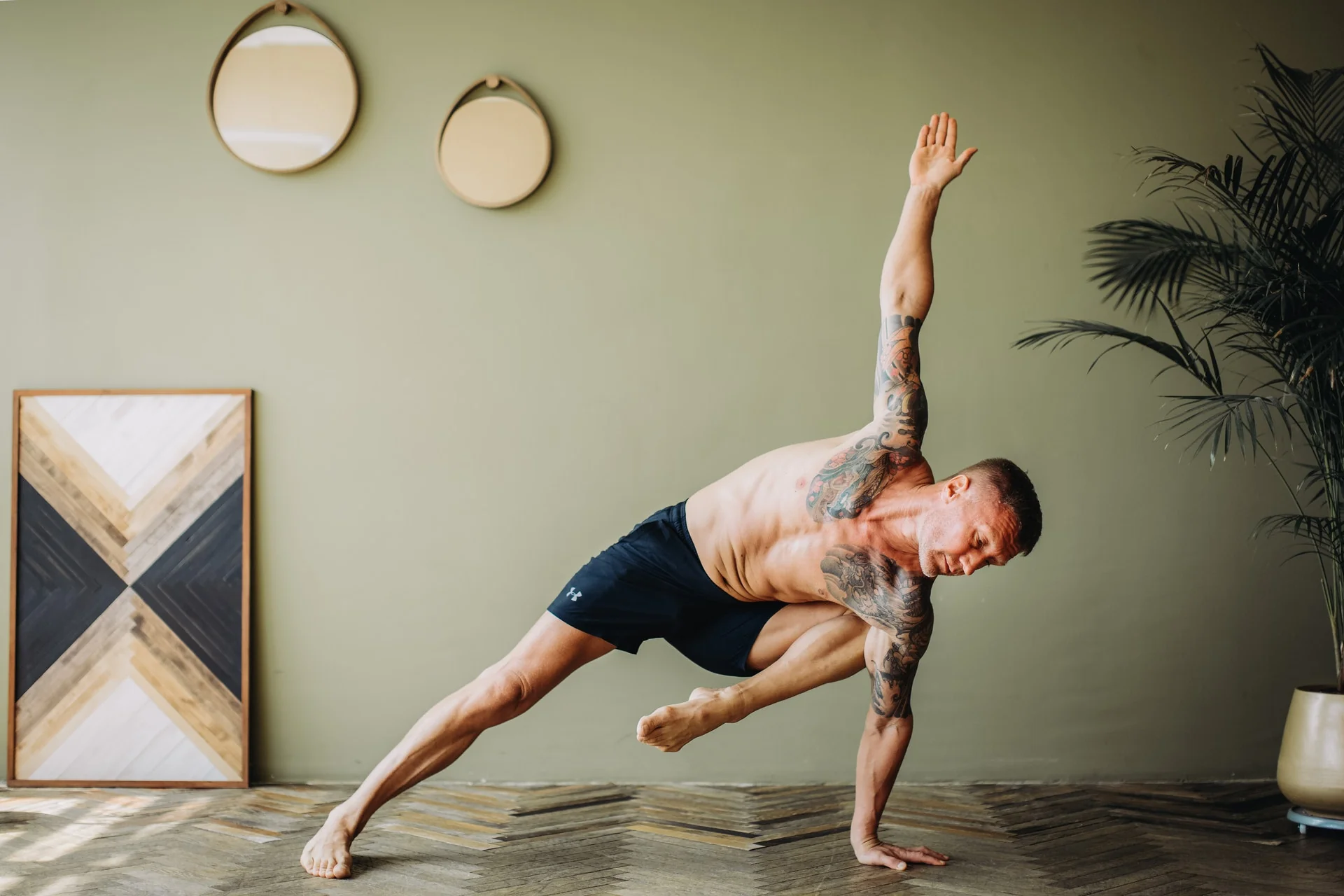
Vinyasa yoga stands out as a dynamic style where poses flow seamlessly, guided by your breath – inhale to rise, exhale to fold. It’s often called “flow yoga” because it mimics life’s ebb and flow, keeping you moving without rigid holds. Unlike static practices, vinyasa builds heat quickly, making it feel alive and engaging from the start.
Origins of Vinyasa Yoga
Rooted in ancient traditions but modernized by teachers like Krishnamacharya in the 20th century, vinyasa draws from Ashtanga’s structure but adds creativity. Think of it as yoga’s freestyle version, where sequences can vary class to class. This evolution makes it accessible yet challenging, perfect for today’s busy lives.
Key Elements of a Vinyasa Flow
Breath synchronization is the heart – each move ties to an inhale or exhale, creating mindfulness on the mat. Sun salutations often kick things off, warming you up with familiar poses like downward dog and plank. Props like blocks can modify for beginners, ensuring everyone flows at their pace.
Physical Benefits of Vinyasa Yoga
Sweating through a vinyasa session does wonders for your body, blending cardio, strength, and stretch in one go. It’s not just about looking good; it’s feeling capable in everyday tasks, like chasing after kids or hauling groceries. Regular practice reshapes how you move, turning stiffness into fluidity.
Builds Strength and Endurance
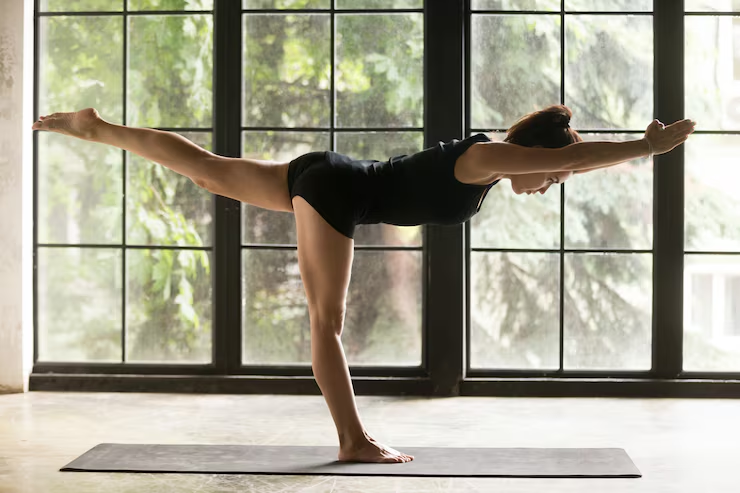
Vinyasa targets muscles you didn’t know you had, with planks and warriors firing up your core and limbs. Studies show it boosts muscular endurance, helping you power through longer workouts without fatigue. I once hiked a steep trail post-class and felt unstoppable – no more huffing halfway up.
Improves Flexibility and Mobility
Those flowing transitions gently coax tight spots open, from hips to shoulders, reducing injury risk over time. It’s gradual, so you won’t feel forced; instead, poses like forward folds ease you deeper with each breath. My hamstrings used to scream in protest, but now they whisper thanks.
Enhances Cardiovascular Health
The steady pace elevates your heart rate, acting like a mild cardio session that strengthens your ticker. Research links it to lower blood pressure and better circulation, warding off heart issues. Imagine yoga as your fun alternative to treadmill drudgery – who knew breathing could pump you up?
Mental and Emotional Benefits
Beyond the physical, vinyasa quiets the mental noise, like a gentle nudge to focus on the now. In a world buzzing with notifications, that breath-linked flow becomes your anchor. It’s helped me navigate stressful workdays, turning overwhelm into calm clarity.
Reduces Stress and Anxiety
Syncing breath with movement triggers relaxation responses, lowering cortisol levels naturally. A small study found weekly sessions eased anxiety in students, proving its real-world chill factor. Picture exhaling worries with every downward dog – it’s almost magical.
Boosts Mood and Energy
Endorphins flood in during flows, lifting spirits and combating blues. Practitioners often report brighter outlooks, like sunshine after rain. On low days, I’d roll out my mat, and halfway through, that fog lifted – yoga’s my natural mood booster.
Fosters Mindfulness and Focus
The constant awareness of breath sharpens concentration off the mat too. It’s like training your brain to stay present amid distractions. I’ve noticed sharper decisions at work, crediting those mindful transitions for the edge.
Vinyasa Yoga for Weight Management
If shedding pounds is your goal, vinyasa’s calorie burn pairs perfectly with mindful eating. It’s not a miracle, but consistent flows rev metabolism while building lean muscle. I dropped a dress size without dieting, just by flowing regularly and listening to my body.
How It Aids in Weight Loss
Dynamic sequences torch 300-600 calories per hour, depending on intensity. Combined with stress reduction, it curbs emotional eating. Think of it as fun fitness that doesn’t feel like punishment.
Building Muscle While Burning Fat
Poses like chaturanga sculpt arms and legs, increasing basal metabolic rate. Over time, this means burning more at rest. My arms got toned without weights – yoga’s sneaky strength secret.
Comparing Vinyasa to Other Yoga Styles
Vinyasa shines in its fluidity, but how does it stack against hatha or ashtanga? Each has perks, but vinyasa’s adaptability wins for many. Let’s break it down to see what fits your vibe.
Vinyasa vs. Hatha Yoga
Hatha holds poses longer for deeper stretches, ideal for beginners building alignment. Vinyasa, faster-paced, amps cardio but might overwhelm newbies. I started with hatha for basics, then switched to vinyasa for that energizing rush.
Vinyasa vs. Yin Yoga
Yin targets connective tissues with long, passive holds – great for recovery days. Vinyasa’s active flow complements it, balancing yang energy. Pairing them keeps my practice well-rounded, avoiding burnout.
Here’s a quick comparison table:
| Aspect | Vinyasa Yoga | Hatha Yoga | Yin Yoga |
|---|---|---|---|
| Pace | Fast, flowing | Slow, deliberate | Very slow, passive |
| Focus | Breath-movement sync | Alignment and holds | Deep tissue stretch |
| Benefits | Cardio, strength, flexibility | Flexibility, relaxation | Joint health, meditation |
| Best For | Energy boost, fitness | Beginners, detail-oriented | Recovery, introspection |
Pros and Cons of Vinyasa Yoga
Like anything worthwhile, vinyasa has upsides and potential pitfalls. Weighing them helps you decide if it’s your jam.
Pros
- Versatile and Engaging: Endless sequences keep boredom at bay, suiting all levels with modifications.
- Holistic Workout: Combines strength, cardio, and mindfulness in one session – efficient for busy folks.
- Community Vibe: Classes often feel communal, fostering connections. I’ve made lifelong friends on the mat.
- Adaptable: Online or in-studio, it fits any schedule. Check out Yoga with Adriene for free flows.
Cons
- Intensity for Beginners: Quick transitions can confuse newcomers – start slow to avoid frustration.
- Risk of Injury: Without proper form, flows might strain joints. Always listen to your body.
- Heat Build-Up: Sweaty sessions aren’t for everyone, especially in hot rooms.
- Less Meditation Focus: Compared to restorative styles, it might feel too active for deep zen seekers.
Getting Started with Vinyasa Yoga
Ready to flow? Begin with beginner-friendly classes to build confidence. No fancy gear needed – just a mat and open mind. My tip: Start at home to shake off self-consciousness.
Best Tools and Gear for Beginners
Grab a non-slip mat for stability, blocks for support, and a strap for reaches. Apps like Glo offer guided sessions. For quality mats, try Manduka – durable and eco-friendly.
Where to Find Vinyasa Classes
Local studios like YogaWorks provide in-person vibes. Online, platforms such as Alo Moves or DoYogaWithMe have thousands of videos. Search “vinyasa yoga near me” or browse ClassPass for options.
Tips for Your First Class
Breathe deeply, modify as needed, and don’t compare – everyone’s journey differs. Hydrate well, and eat light beforehand. I laughed off my wobbles in class one; now they’re fond memories.
People Also Ask
Diving into vinyasa sparks curiosity – here are real questions folks google, with quick insights.
Is Vinyasa Yoga Good for Beginners?
Absolutely, with modifications. Start with slower flows to learn basics without overwhelm. It’s rewarding once you get the hang of breath cues.
What’s the Difference Between Vinyasa and Power Yoga?
Power yoga is a vigorous vinyasa subset, often more athletic. Both flow, but power amps intensity for fitness-focused yogis.
Can Vinyasa Yoga Help with Weight Loss?
Yes, its cardio element burns calories effectively. Pair with diet for best results – consistency is key.
How Often Should I Practice Vinyasa?
Aim for 3-5 times weekly for noticeable benefits. Listen to your body; rest days prevent overdoing it.
FAQ
What makes vinyasa yoga different from other styles?
Vinyasa emphasizes fluid transitions synced with breath, unlike hatha’s static holds. It’s dynamic, building heat and endurance naturally.
Is vinyasa yoga suitable for all ages?
Yes, with adaptations. Kids to seniors benefit – I’ve seen 70-year-olds flow gracefully. Consult doctors for health concerns.
How does vinyasa improve mental health?
It reduces stress via mindful breathing, boosting endorphins and focus. Regular practice eases anxiety, as studies confirm.
What should I wear to a vinyasa class?
Breathable, fitted clothes that move with you – think leggings and tanks. Avoid baggy stuff that might trip you up.
Can I practice vinyasa at home?
Totally! Free YouTube channels like Yoga with Adriene guide you. Build a routine with our internal beginner guide.
Wrapping up, vinyasa yoga’s benefits ripple through your life, from stronger muscles to a steadier mind. It’s not just exercise; it’s a practice that grows with you. Remember my first class flop? Now it’s my weekly ritual, keeping me grounded amid chaos. Give it a try – your body and soul will thank you. For more flows, check our yoga resources page. Namaste!