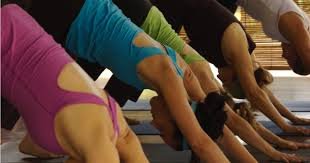
Ashtanga Yoga: Everything You Need to Know
Picture this: It’s early morning, the sun’s just peeking over the horizon, and I’m unrolling my mat in a quiet studio. My first Ashtanga class. I thought I was somewhat fit from jogging, but oh boy, was I wrong. Sweating like I’d run a marathon, twisting into shapes I didn’t know my body could make—it was tough, but that post-practice glow? It hooked me for life. If you’re curious about Ashtanga yoga, whether you’re a total newbie or looking to deepen your practice, stick around. This guide covers it all, from its roots to how you can start today, drawing from years of rolling out that mat and learning the hard way.
What is Ashtanga Yoga?
Ashtanga yoga is a dynamic, flowing style of yoga that syncs breath with movement in a set sequence of postures. It’s often called “Ashtanga Vinyasa” to highlight that fluid connection, making it feel like a moving meditation. Popularized in the 20th century, it’s designed to build heat in the body, purify the system, and calm the mind—all while challenging your strength and flexibility.
The Philosophy Behind Ashtanga
At its core, Ashtanga draws from ancient yoga texts, emphasizing not just physical poses but a holistic path to well-being. It’s structured around eight limbs, or “ashtanga” in Sanskrit, which guide practitioners toward enlightenment. Think of it as a roadmap for living better, starting with ethics and building up to deep concentration.
Key Elements: Breath, Bandhas, and Drishti
Breath is king in Ashtanga—ujjayi pranayama creates that oceanic sound to keep you focused. Bandhas are energy locks in the body to control flow, and drishti is your gazing point to sharpen concentration. Together, they turn a workout into something transformative, helping you stay present even when a pose feels impossible.
History of Ashtanga Yoga
Ashtanga as we know it was shaped by Sri K. Pattabhi Jois, who learned from his guru Krishnamacharya in the early 1900s. Jois popularized it globally from his institute in Mysore, India, turning it into a rigorous system with six series of increasing difficulty. It’s rooted in ancient hatha yoga but adapted for modern times, spreading like wildfire in the West since the 1970s.
The Role of Pattabhi Jois
Jois, affectionately called Guruji, taught for over 65 years, attracting students worldwide to his shala. He emphasized discipline and daily practice, but his legacy also includes controversies around adjustments—reminding us that even gurus are human. Today, his family carries on the tradition, evolving it thoughtfully.
Evolution in the Modern World
From Mysore’s humble beginnings, Ashtanga has gone global, with shalas everywhere from New York to Bali. It’s influenced power yoga and vinyasa flows, but purists stick to the traditional method. I’ve seen how it’s adapted post-pandemic, with online classes making it accessible without losing its essence.
Benefits of Ashtanga Yoga
Diving into Ashtanga regularly builds incredible physical strength, from core to limbs, while boosting flexibility and endurance. Mentally, it sharpens focus and reduces stress, like hitting a reset button on your day. Over time, it fosters discipline and self-awareness, turning chaotic thoughts into calm clarity.
Physical Advantages
Your body transforms with consistent practice—better posture, toned muscles, and improved circulation. It’s a full-body workout that detoxifies through sweat, enhancing overall vitality. I recall how my back pain vanished after months of dedicated sessions, proving its real-world perks.
Mental and Emotional Perks
Ashtanga quiets the mind chatter, promoting mindfulness and emotional balance. It’s therapeutic for anxiety, building resilience through challenging sequences. There’s a quiet joy in mastering a tough pose, like unlocking a personal victory that spills into everyday life.
Pros and Cons of Ashtanga Yoga
- Pros:
- Builds exceptional strength and flexibility.
- Encourages discipline with a fixed routine.
- Promotes detoxification and weight management.
- Enhances mental focus and stress relief.
- Cons:
- Can be intense, risking injury if not modified.
- Requires commitment to six-day practice.
- Not ideal for those with certain joint issues.
- Traditional style may feel rigid for creative types.
Risks and Precautions in Ashtanga
While rewarding, Ashtanga’s intensity can lead to strains if pushed too hard, especially in repetitive movements. Overzealous beginners might face knee or shoulder tweaks without proper alignment. Always listen to your body and seek guidance to avoid burnout or harm.
Common Injuries and How to Avoid Them
Wrist strain from jumps or hamstrings from forward folds are frequent pitfalls. Warm up thoroughly, use props like blocks, and progress slowly. I learned this the hard way after tweaking my knee—patience is your best friend here.
Who Should Avoid or Modify Ashtanga
If you have chronic injuries, pregnancy, or high blood pressure, consult a doctor first. Modifications make it accessible; for instance, skip jumps if joints protest. It’s about sustainable practice, not perfection.
Ashtanga Yoga for Beginners
Starting Ashtanga feels daunting, but it’s doable with patience—begin with sun salutations to build stamina. Focus on breath over perfect poses; modifications are key to avoid frustration. Remember, everyone starts somewhere, and consistency trumps intensity at first.
Essential Tips for Newbies
- Start slow: Learn the primary series in chunks.
- Find a teacher: Mysore-style classes offer personalized guidance.
- Practice mindfully: Use ujjayi breath to stay grounded.
- Be kind to yourself: Progress comes with time, not force.
Building a Home Practice
Set up a quiet space with a good mat—aim for early mornings when energy’s high. Use apps or videos for structure, but supplement with in-person classes. My home routine started shaky, but now it’s my daily anchor, blending discipline with joy.
The Primary Series Explained
The primary series, or Yoga Chikitsa, is the foundation— a detoxifying sequence of about 75 poses lasting 90 minutes. It starts with sun salutations, moves to standing and seated postures, then finishes with inversions. It’s therapeutic, realigning the body while building heat.
Key Poses in the Sequence
From Padangusthasana (big toe pose) to Savasana (corpse pose), each builds on the last. Standing poses ground you, seated ones open hips, and backbends energize. Drishti and bandhas tie it all together for a seamless flow.
Sample Primary Series Breakdown
| Section | Key Poses | Focus |
|---|---|---|
| Sun Salutations | Surya Namaskara A & B | Warm-up and breath sync |
| Standing Sequence | Trikonasana, Virabhadrasana | Balance and strength |
| Seated Sequence | Janu Sirsasana, Marichyasana | Flexibility and twists |
| Finishing Sequence | Salamba Sarvangasana, Sirsasana | Inversions and relaxation |
Ashtanga vs. Other Yoga Styles
Ashtanga stands out for its fixed sequences, unlike more fluid styles. It’s rigorous and athletic, demanding commitment, but rewards with profound changes. Comparing it to others helps you choose what fits your vibe.
Ashtanga vs. Vinyasa: A Comparison
Both link breath to movement, but Ashtanga follows a strict order, while Vinyasa allows creativity in flows. Ashtanga builds discipline through repetition; Vinyasa offers variety for those who bore easily. I dabbled in Vinyasa first—it felt freer, but Ashtanga’s structure deepened my practice.
Side-by-Side Table
| Aspect | Ashtanga | Vinyasa |
|---|---|---|
| Sequence | Fixed series | Teacher-led variations |
| Pace | Fast and consistent | Variable, often creative |
| Focus | Discipline and purification | Flow and expression |
| Ideal For | Committed practitioners | Those seeking variety |
Ashtanga vs. Hatha
Hatha is gentler, holding poses longer for alignment focus, while Ashtanga’s dynamic—think steady-state vs. interval training. Hatha suits beginners easing in; Ashtanga amps up for those craving challenge.
How to Start Practicing Ashtanga Yoga
Jump in by finding a local shala or online class—many offer beginner workshops. Look for authorized teachers via sites like KPJAYI for authenticity. Start with Mysore style for self-paced learning; it’s less intimidating than led classes.
Where to Find Classes and Teachers
Search for “Ashtanga shala near me” or apps like Mindbody. In the US, places like Miami Life Center or New York’s Ashtanga Yoga New York are gems. Internationally, head to Mysore, India, for the source—I’ve dreamed of that pilgrimage.
Online Resources for Learning
Platforms like Omstars or YouTube channels from Kino MacGregor offer guided sessions. For deeper dives, check our beginners yoga guide or external sites like Ashtanga.com.
Best Tools and Resources for Ashtanga
Equip yourself right—a grippy mat like Manduka’s Pro is essential for sweaty flows. Books and apps guide your journey, turning solo practice into something structured and inspiring.
Recommended Books
- “Ashtanga Yoga: The Practice Manual” by David Swenson: A visual bible with variations.
- “The Power of Ashtanga Yoga” by Kino MacGregor: Beginner-friendly insights.
- “Yoga Mala” by Pattabhi Jois: The original wisdom straight from the source.
Top Apps and Mats
Apps like Ashtanga Yoga or Down Dog provide sequences on the go. For mats, Manduka or Jade offer durability—non-slip is crucial when you’re dripping sweat. Pair with blocks for support in tough poses.
People Also Ask
Based on common searches, here are real questions folks ask about Ashtanga yoga, with straightforward answers.
What is the difference between Ashtanga and Vinyasa yoga?
Ashtanga uses fixed sequences for discipline, while Vinyasa is more creative and varied.
Is Ashtanga yoga good for beginners?
Yes, with modifications—it’s challenging but builds a strong foundation when started slowly.
What are the 8 steps of Ashtanga yoga?
The eight limbs: Yama (ethics), Niyama (self-discipline), Asana (poses), Pranayama (breath), Pratyahara (withdrawal), Dharana (concentration), Dhyana (meditation), Samadhi (enlightenment).
What is Ashtanga yoga good for?
It boosts strength, flexibility, mental clarity, and stress reduction through dynamic practice.
FAQ
Is Ashtanga yoga suitable for weight loss?
Absolutely—it burns calories through intense flows, but pair it with diet for best results.
How often should I practice Ashtanga?
Traditionally six days a week, but start with 3-4 to build habit without overwhelm.
Can I practice Ashtanga during pregnancy?
With modifications and doctor approval, yes—focus on gentle versions and avoid inversions.
What’s the best time for Ashtanga practice?
Early morning, when the mind is fresh and energy high, aligns with tradition.
Does Ashtanga help with anxiety?
Yes, the breath focus and endorphin release can significantly ease mental tension.
Wrapping up, Ashtanga isn’t just exercise—it’s a journey that reshapes body and mind. I started clumsy and doubtful, but now it’s my go-to for balance in a hectic world. Give it a shot; you might surprise yourself. For more on yoga styles, explore our vinyasa guide. Namaste.