Ashtanga Yoga: Origin, Philosophy, Six Series
Hey there, friend. Picture this: It’s dawn in a quiet corner of India, the air thick with the scent of incense and fresh chai. A group of yogis—some bent like pretzels, others just starting with wobbly sun salutes—move in sync with their breath. That’s the world I stumbled into over a decade ago when I first tried Ashtanga yoga. I was a stressed-out desk jockey, chasing deadlines and dodging burnout, and let’s just say my first downward dog felt more like a face-plant. But something clicked. Ashtanga wasn’t just exercise; it was a roadmap to steadying the chaos inside. Today, as someone who’s taught hundreds of classes and sweated through countless primary series, I want to pull back the curtain on this ancient powerhouse—its roots, the wisdom woven into its limbs, and those infamous six series that keep practitioners hooked (or humbled). If you’re curious about diving in, or just want to geek out on yoga history, stick with me. This isn’t fluff; it’s the real deal, straight from the mat.
The Ancient Origins of Ashtanga Yoga
Ashtanga yoga didn’t pop up in a trendy studio last week—its story stretches back over 2,000 years to the dusty scrolls of ancient India. At its core, it’s drawn from Patanjali’s Yoga Sutras, a foundational text that outlines a path to quiet the mind’s chatter. But the dynamic, sweat-drenched version we know today? That owes everything to a lineage of teachers who turned philosophy into practice. I remember my first trip to Mysore, stepping into the very shala where it all modernized, feeling like I’d time-traveled. It’s a reminder that Ashtanga isn’t some fad—it’s a living thread from sages to sweaty moderns like us.
Roots in Patanjali’s Eight Limbs
Patanjali, that enigmatic sage around 200 BCE, didn’t invent yoga, but he bottled it neatly into eight interconnected “limbs”—hence “Ashtanga,” meaning eight parts. These aren’t rungs on a ladder; they’re a holistic web, blending ethics, breath, and balance to foster self-realization. Think of it as yoga’s operating system: without the limbs, the poses are just calisthenics.
The Modern Revival: Krishnamacharya and Beyond
Fast-forward to the early 1900s, when T. Krishnamacharya, often called the father of modern yoga, rediscovered lost texts like the Yoga Korunta. He taught a vigorous style to young boys in Mysore, blending breath with flow. His student, K. Pattabhi Jois, refined it into Ashtanga in the 1930s, opening his institute in 1948. Jois’s mantra? “Practice and all is coming.” It’s simple, profound, and a bit cheeky—like yoga’s version of “just show up.”
The Philosophy Behind Ashtanga Yoga
Ashtanga’s heart beats in its philosophy: a blend of discipline and surrender that turns physical effort into spiritual gold. It’s not about nailing the perfect Instagram pose; it’s cultivating inner fire through steady practice. I’ve seen it transform skeptics— one student, a type-A lawyer I taught, went from rigid frustration to laughing off a botched handstand. That’s the magic: Ashtanga whispers that growth isn’t linear, but the path? It’s everything.
The Eight Limbs: A Roadmap to Stillness
At philosophy’s core are Patanjali’s eight limbs, starting with yamas (ethical restraints like non-violence) and niyamas (personal observances like contentment). They build to asana (postures), pranayama (breath control), and end in samadhi (enlightenment). In practice, it’s like tuning an instrument—skip the ethics, and your “music” clangs.
Tristhana: Breath, Bandhas, and Gaze
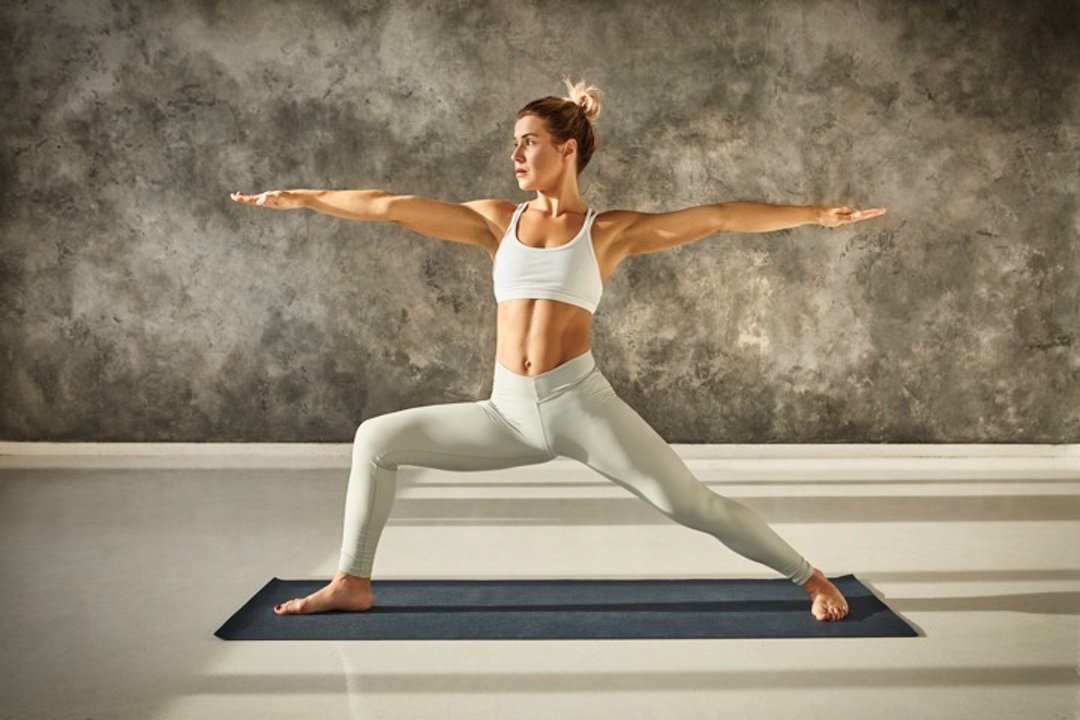
Ashtanga amps this up with tristhana: ujjayi breath (that oceanic hum), bandhas (energy locks), and drishti (focused gaze). Together, they create heat, purify, and anchor the mind. I once held a warrior pose through a storm of doubt, gaze locked on my thumbnail—suddenly, the world narrowed to just breath. It’s intimate, almost sneaky in how it builds resilience.
Vinyasa: The Flow That Binds It All
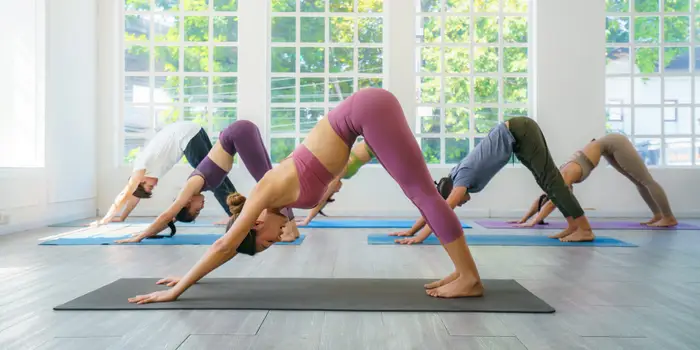
Vinyasa, linking each pose to breath, is Ashtanga’s rhythm section. One inhale, one movement; exhale, settle. It’s choreographed chaos, generating tapas (inner heat) to burn impurities. Jois called it “controlled breathing”—but honestly, it’s more like dancing with your demons, one fluid step at a time.
Unpacking the Six Series of Ashtanga Yoga
The six series are Ashtanga’s secret sauce: fixed sequences that progress like chapters in a epic tale. Primary builds foundations; advanced ones test limits. Most folks never finish them—nor should they. It’s not a race; it’s a lifelong conversation with your body. My own journey? Stuck in primary for years, but those 60 poses taught me more about patience than any summit ever could.
Primary Series: Yoga Chikitsa – Healing the Body
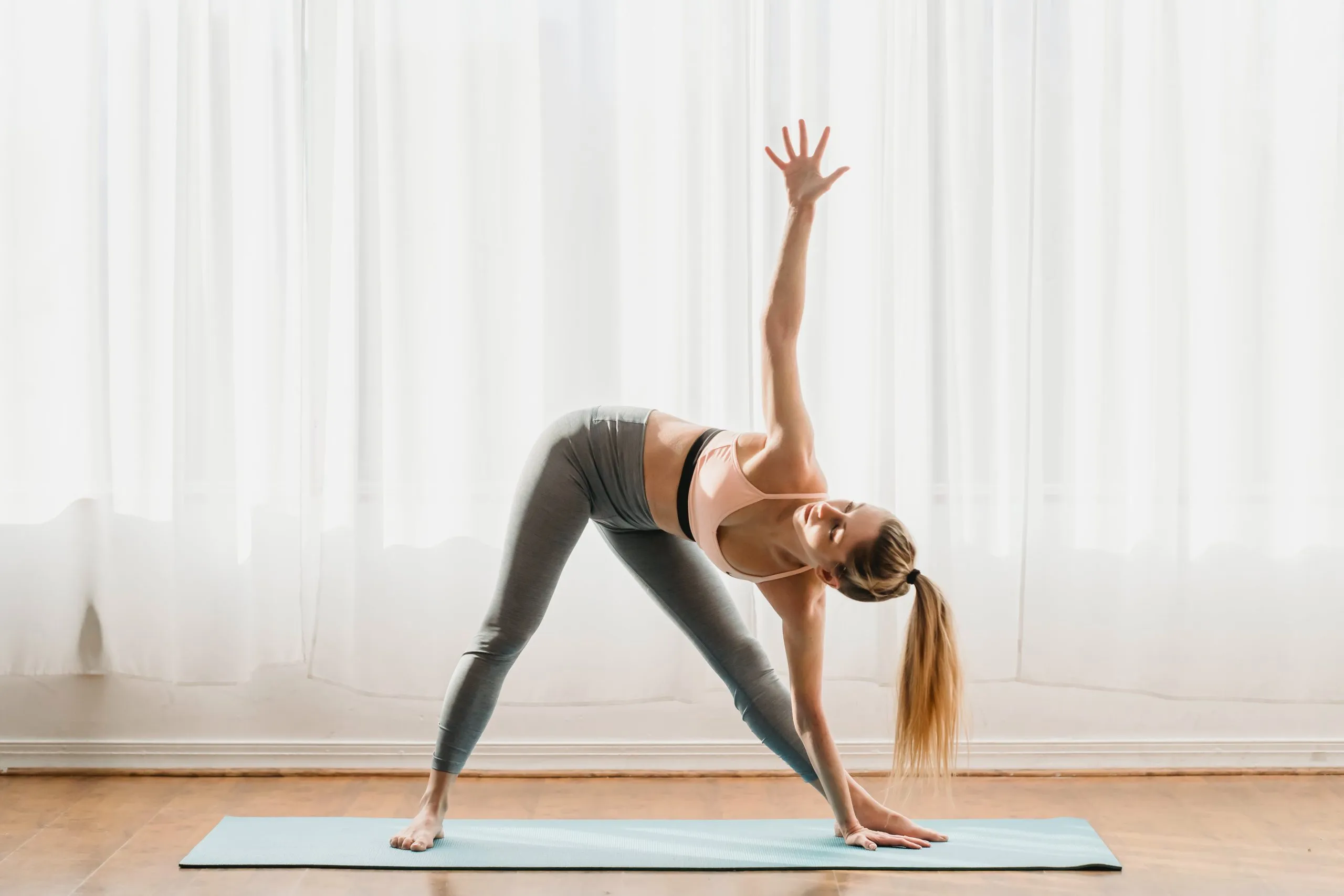
The entry point, Yoga Chikitsa (yoga therapy), detoxes and aligns with forward bends and hip openers. It starts with sun salutations, flows through standing poses, then seated ones like Janu Sirsasana. Held for five breaths each, it’s a 90-minute cleanse that leaves you wrung out and reborn.
Intermediate Series: Nadi Shodhana – Channeling Energy
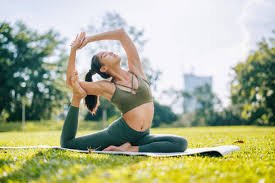
Once primary clicks, enter Nadi Shodhana (nerve purification). Backbends and twists dominate, awakening subtle energies. Poses like Pasasana (noose) demand surrender—I’ve teared up in Urdhva Danurasana, feeling old tensions uncoil. It’s where physical meets mystical.
Key Poses in Intermediate Series
- Pasasana: A deep squat twist that humbles even pros.
- Kapotasana: The pigeon backbend that opens the heart—literally.
Advanced Series A: Sthira Bhaga – Building Stability
Advanced A ramps up with arm balances and leg-behind-head feats. It’s “divine stability,” demanding precision. Only a handful, like Jois’s grandson Sharath, master it fully. For me, trying Eka Pada Sirsasana felt like defying gravity—and failing hilariously at first.
Challenges and Rewards
Advanced poses build not just strength, but grace under fire. The reward? A body that feels unbreakable, a mind that quiets easier.
Advanced Series B, C, and D: The Pinnacle of Practice
These rarified realms—B for deeper balances, C for handstands, D for acrobatic wizardry—are for the elite. Legends say only a few have touched D. They’re less about conquest, more about devotion. If you reach here, congrats—you’re already enlightened.
Comparison: Ashtanga vs. Other Yoga Styles
Ever wonder why Ashtanga feels like boot camp while Hatha sips tea? Let’s break it down. I switched from flowy vinyasa to Ashtanga and never looked back—the structure was my anchor in stormy life phases. But each style has its vibe, and knowing the diffs helps you pick your poison (or potion).
| Aspect | Ashtanga Yoga | Vinyasa Yoga | Hatha Yoga | Iyengar Yoga |
|---|---|---|---|---|
| Structure | Fixed sequences, six series | Creative flows, teacher-led | Basic poses, held longer | Props-heavy, precise alignment |
| Pace | Vigorous, breath-synced | Fluid, upbeat | Slow, restorative | Methodical, static |
| Focus | Discipline, internal heat | Breath-movement creativity | Balance, relaxation | Anatomical detail |
| Best For | Building endurance, depth | Fun, variety | Beginners, stress relief | Injury recovery, precision |
| Class Length | 60-90 mins, daily ideal | 45-75 mins | 45-60 mins | 60-90 mins |
Ashtanga wins for progression tracking, but Vinyasa’s playfulness keeps things light. Pros of Ashtanga: transformative depth. Cons: intensity can intimidate newbies. Vinyasa pros: accessible fun; cons: less structure.
Benefits and Challenges of Practicing Ashtanga Yoga
Diving into Ashtanga is like signing up for a personal growth boot camp—rewards abound, but so do the hurdles. Physically, it torches calories (up to 500 per session) and sculpts strength; mentally, it sharpens focus amid chaos. Emotionally? It’s a mirror, reflecting your edges with kindness. One client, battling anxiety, found her panic attacks fade after six months—proof it’s more than sweat.
Pros of Ashtanga Practice
- Builds full-body strength and flexibility without weights.
- Cultivates mindfulness through repetition—poses become meditation.
- Community vibe in Mysore rooms fosters belonging.
Cons and How to Overcome Them
- High injury risk if ego-driven; solution: listen to your body.
- Time-intensive (six days/week ideal); start with three.
- Intimidating for beginners; ease in with led classes.
Challenges build character—like that time I tweaked my hamstring pushing for Kapotasana. Lesson? Progress over perfection.
Getting Started with Ashtanga Yoga: Where and How
Ready to roll out your mat? Start informational: grasp the basics via books like Jois’s Yoga Mala. For navigational ease, hunt certified teachers on the KPJAYI site (external link). Transactionally, snag the best tools: a grippy mat like Manduka’s PROlite for under $120, or blocks from Gaiam for support.
Best Tools and Gear for Beginners
- Mat: Manduka PRO—durable, non-slip (around $120).
- Straps/Blocks: Essential for modifications.
- App: Insight Timer for guided primaries.
Where to practice? Mysore-style shalas for personalization, or apps like Alo Moves for home. Pro tip: Find a local studio via Yoga Alliance directory (internal link to resources page).
Finding a Teacher or Online Resources
Seek authorized teachers—look for “KPJAYI Level 1” badges. Online? Glo or Yoga International offer solid primaries. My first teacher? A no-nonsense auntie in Mysore who adjusted with a smirk and a “Breathe, darling.” That’s the gold: human touch.
People Also Ask: Common Questions on Ashtanga Yoga
Google’s “People Also Ask” shines a light on real curiosities—here’s a roundup from top searches, answered with mat-tested truth.
What is Ashtanga yoga good for?
It’s a powerhouse for building strength, flexibility, and mental grit. Detoxes the body, calms the mind—ideal for stress-busters or athletes cross-training.
How many times a week should I do Ashtanga yoga?
Traditionally six days, with moon days off. But start with three; consistency trumps intensity. I do five now—leaves room for life (and Netflix).
Is Ashtanga yoga hard?
Depends on you. Physically demanding? Yes. But modifications make it accessible. It’s “hard” like learning guitar—frustrating at first, soul-stirring later.
What’s the difference between Ashtanga and Vinyasa?
Ashtanga: fixed sequence, self-paced. Vinyasa: fluid, creative flows. Ashtanga’s like a sonnet; Vinyasa, free verse.
Can beginners do Ashtanga yoga?
Absolutely—start slow in Mysore style. No prior flexibility needed; the practice meets you where you are.
FAQ: Your Burning Ashtanga Questions Answered
Drawing from student chats and forums, here are five real-deal Q&As to cut through the noise.
Q: Do I need to be flexible to start Ashtanga?
A: Nope! I started stiffer than a board, and within months, bends came. Focus on breath—flexibility follows.
Q: What’s Mysore-style practice?
A: Self-led in a group, teacher adjusts one-on-one. It’s intimate, empowering—like private lessons in a room of friends.
Q: How long until I see results?
A: Physically, two weeks; deeper shifts, months. But the real win? That post-practice glow hits day one.
Q: Can I practice Ashtanga during my period?
A: Traditionally, lighter practice or rest first three days. Listen to your body—yoga honors cycles.
Q: Is Ashtanga suitable for weight loss?
A: Yes, with its cardio-vibe and mindfulness curbing emotional eating. Pair with diet for best bets.
There you have it—the soul of Ashtanga, from dusty origins to mat-ready wisdom. It’s not always easy (those navasanas? Evil geniuses), but oh, the payoff: a body tuned like a Stradivarius, a mind vast as the Mysore sky. If this sparks something, grab that mat and breathe. What’s your first step? Drop a comment—I’m here, cheering from the shala. Namaste, truly.