Restorative Yoga Sequence to Relax the Mind and Body
Hey there, friend. Imagine this: It’s been one of those weeks where your to-do list feels like it’s plotting against you, and by Friday evening, you’re slumped on the couch, scrolling mindlessly, wondering where your energy vanished to. Sound familiar? That’s exactly where I was a couple of years back, juggling a full-time job as a marketing coordinator and squeezing in freelance writing gigs late into the night. My body ached from hunching over a laptop, and my mind? It was a whirlwind of half-formed worries about deadlines and what-ifs. One rainy afternoon, a friend dragged me to a restorative yoga class—not the sweaty vinyasa flows I was used to, but something softer, almost like a hug from the universe. I walked out feeling lighter, like I’d hit reset on my whole self. That day sparked a love affair with restorative yoga, and now, as a certified instructor with over 500 hours of teaching under my belt, I want to share a sequence that’s become my go-to for melting away stress. If you’re craving that same calm, stick with me—we’re about to dive into a practice that nurtures your mind and body without demanding a single push-up.
What Is Restorative Yoga and Why It Works for Stress Relief
Restorative yoga isn’t your high-energy workout; it’s more like a gentle invitation to pause and breathe. Developed in the mid-20th century by B.K.S. Iyengar, who championed props to make yoga accessible to everyone, this style focuses on holding passive poses for several minutes, fully supported by blankets, bolsters, and blocks. The goal? To trigger your body’s relaxation response, flipping the switch from fight-or-flight to rest-and-digest mode in the parasympathetic nervous system.
What hooked me was how it sneaks in deep healing without you even trying. Studies from places like the Cleveland Clinic back this up: Regular sessions can lower cortisol levels, ease anxiety, and even improve sleep quality. It’s not just fluff—it’s science-backed self-care that quiets the mental chatter and lets your body repair itself. If life’s got you wired, this is your off-ramp to peace.
The Science Behind Restorative Yoga for Mind and Body Balance
Picture your nervous system as a seesaw: On one end, stress tips it toward chaos; on the other, restorative yoga gently nudges it back to equilibrium. By holding poses long enough—think five to twenty minutes—you’re coaxing your vagus nerve to activate, slowing your heart rate and deepening your breath. Research in the Journal of Racial and Ethnic Health Disparities shows it cuts depression symptoms in cancer survivors by up to 30 percent.
From my own life, I remember a stretch of insomnia after a big life move; a nightly ten-minute legs-up-the-wall pose turned those restless nights around. It’s this quiet power that makes restorative yoga a game-changer—not flashy, but profoundly effective for rebuilding resilience one breath at a time.
Benefits of a Restorative Yoga Sequence for Everyday Calm
Diving into a restorative sequence feels like wrapping yourself in a warm blanket on a chilly evening—comforting, essential, and utterly restorative. Beyond the immediate sigh of relief, it boosts flexibility gently, eases chronic pain, and sharpens focus by dialing down that inner noise. One study in International Journal of Yoga linked it to better overall well-being, with folks reporting less fatigue and more vigor after just eight weeks.
I once had a student, a harried mom of three, who laughed off the idea at first: “Me, sit still? That’s my nemesis!” But after a month, she texted me: “Finally slept through the night without the 3 a.m. worry spiral.” It’s moments like that—real, raw shifts—that remind me why this practice isn’t just good for you; it’s a lifeline in our go-go world.
Restorative Yoga vs. Yin Yoga: Which Is Right for You?
Ever wondered why restorative and yin yoga get lumped together, yet feel worlds apart? Both are slow-paced with long holds, but restorative is all about total surrender—no edge-pushing, just props cradling you into bliss. Yin, on the other hand, targets deep connective tissues with mild intensity, like a slow melt into your hips that might tingle a bit.
| Aspect | Restorative Yoga | Yin Yoga |
|---|---|---|
| Focus | Deep relaxation and nervous system reset | Connective tissue release and flexibility |
| Intensity | Passive, no strain—pure comfort | Gentle stress on tissues, some sensation |
| Hold Time | 5-20 minutes | 3-5 minutes |
| Props | Heavy use for full support | Minimal, for alignment |
| Best For | Stress relief, recovery from burnout | Building resilience, improving mobility |
In my classes, I blend a touch of yin for those craving subtle depth, but if you’re new or exhausted, start restorative—it’s like choosing a cozy nap over a brisk walk. Both build calm, but restorative whispers, “You’ve got this; now rest.”
Essential Props for Your Home Restorative Yoga Practice
Props aren’t fancy add-ons; they’re the unsung heroes that make restorative magic happen, turning your living room into a sanctuary. A bolster (that firm pillow-like tube) elevates hips or supports your spine, while blocks and blankets add customizable layers of comfort—think rolled towel for neck support or a folded quilt under your knees.
Don’t stress if your budget’s tight; household swaps work wonders. Pillows mimic bolsters, beach towels roll into straps, and that spare throw blanket? Instant coziness. My first setup was a couch cushion and laundry basket towels—clunky, but it got me hooked. Pro tip: Invest in a good eye pillow for that extra dim-the-lights vibe; it’s a small splurge for big zen gains.
Preparing Your Space for a Relaxing Restorative Sequence
Setting up for restorative yoga is half the ritual—it’s your cue to the world (and your buzzing brain) that downtime is non-negotiable. Clear a quiet corner, dim the lights, and cue soft ambient sounds or silence; I swear by rain noises on a free app when city horns intrude. Roll out your mat, gather props within arm’s reach, and maybe light a unscented candle—no overwhelming scents, promise.
Last winter, during a power outage, I dragged blankets to the floor by flashlight; it was imperfect, but that forced simplicity deepened my practice. Keep it mobile-friendly: A 6×6 foot spot works, and if kids or pets crash the party, laugh it off—life’s mess is part of the unwind. You’re creating a bubble of calm; honor that, and the rest flows.
A Step-by-Step Restorative Yoga Sequence for Beginners
This 45-minute sequence is designed for total newbies or anyone needing a gentle reboot—seven poses to unwind from head to toe, held 5-10 minutes each. Breathe deeply, eyes soft or closed; let thoughts drift like clouds. No rush; if a pose feels off, tweak with props. I’ve taught this to desk warriors and frazzled parents alike, and it always lands like a soft landing after a long flight.
Seated Forward Fold: Easing into Gentle Surrender
Start seated with legs extended, a bolster lengthwise along your thighs. Fold forward over it, arms draping loosely, forehead resting if it reaches. This pose quiets the mind while softly stretching the hamstrings and back.
Breathe into your belly, imagining stress pooling out with each exhale. It’s my opener because it grounds you without overwhelm—perfect for shaking off the day’s grit. Hold for 5 minutes, then ease up slowly.
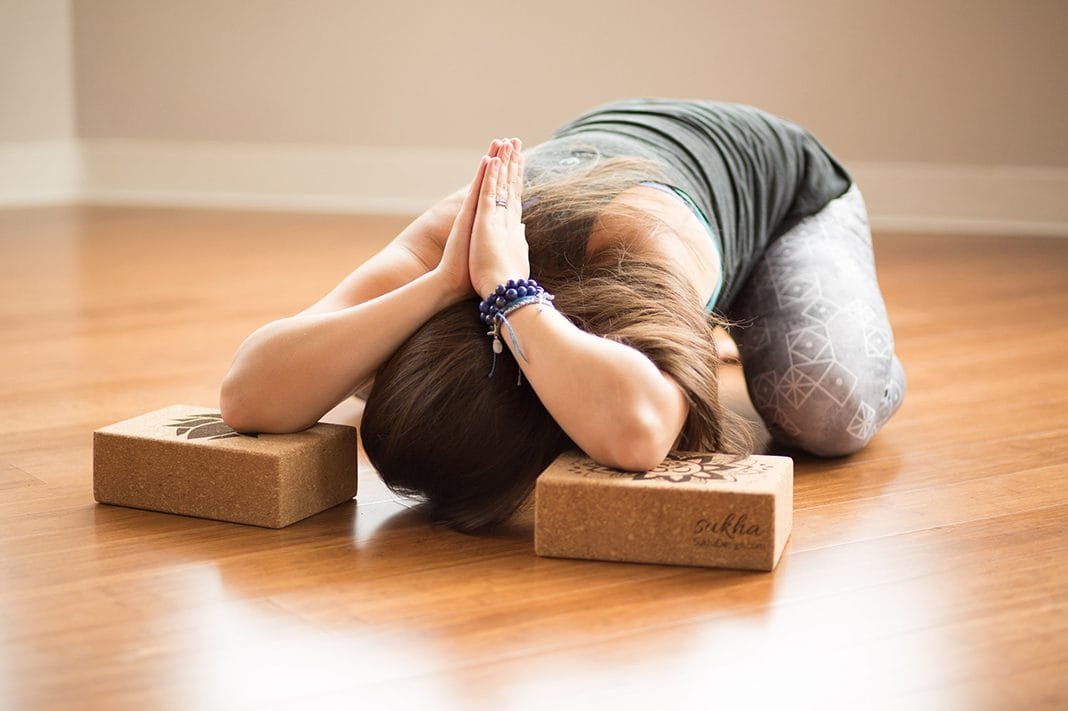
Supported Child’s Pose: A Nurturing Cocoon for the Soul
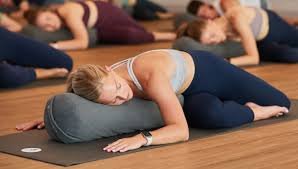
Kneel, big toes touching, knees wide; slide a bolster between thighs and fold forward, arms extended or by sides, cheek on the prop. Blankets under shins if knees protest.
This is where the world fades—your forehead’s weight signals safety to your nervous system. I once cried here after a tough breakup; it held space without judgment. Stay 7 minutes, breathing into your hips’ hidden tensions.
Supine Twist: Unwinding the Spine’s Hidden Knots
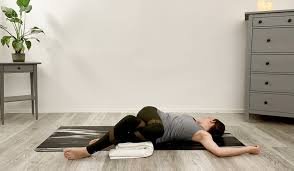
Lie back, knees bent; drop them to one side over a bolster or stacked blankets, arms in T-shape. Gaze opposite for a gentle spinal release.
Twists detox the body and mind, like wringing out a sponge. A student shared how this eased her chronic back twinges from nursing shifts—small miracle. Switch sides after 5 minutes each; feel the subtle unspooling.
Legs-Up-the-Wall: The Ultimate Inversion for Calm
Scoot hips to a wall, legs extending skyward; bolster under sacrum for lift, blanket over lap. Arms rest palms up.
Gravity does the work here, draining fatigue from legs while soothing headaches. Post-run, this is my savior—legs buzzing less, mind clearer. Linger 10 minutes; it’s restorative gold for swollen feet or racing thoughts.
Supported Bridge Pose: Opening the Heart Without Effort
On your back, feet flat; slide a block under sacrum at medium height, knees soft. Let hips settle, chest broad.
This subtle backbend counters desk hunch, inviting vulnerability with ease. I add it when life’s felt heavy; that chest lift mirrors emotional lightness. 5 minutes, then remove block gently.
Reclined Butterfly: Hip Haven for Deep Emotional Release
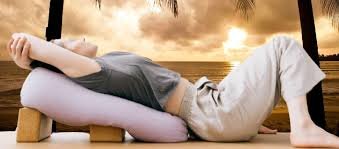
Soles of feet together, knees falling open; bolster lengthwise under spine, blocks or blankets under outer thighs. Arms overhead or at sides.
Hips store unprocessed feels—this pose invites them out kindly. During pandemic isolation, it was my weekly weep; cathartic and freeing. Hold 8 minutes, eyes closed to inner whispers.
Savasana: The Grand Finale of Surrender
Flat on back, bolster under knees if low back nags; blanket over body, eye pillow optional. Palms up, fully melt.
Not just “corpse pose,” but rebirth—scan from toes to crown, releasing all. My classes end here with a silent intention; students emerge renewed. 10 minutes minimum; emerge when ready, like from a deep, healing dream.
People Also Ask: Common Curiosities About Restorative Yoga
Drawing from real Google searches, these questions pop up often—let’s unpack them quick and clear, so you feel equipped.
How often should I practice restorative yoga for stress relief?
Aim for 2-3 times weekly, even 20 minutes hits hard. Consistency trumps intensity; weave it in like brushing your teeth for lasting calm.
Can restorative yoga help with anxiety and sleep issues?
Absolutely— it dials down the sympathetic nervous system, cutting anxiety spikes and lulling you into deeper sleep. One meta-analysis found yoga boosts melatonin by 20 percent.
What’s the difference between restorative yoga and regular yoga?
Regular (like vinyasa) builds heat and strength through flow; restorative is passive holds with props for pure unwind, no sweat required.
Is restorative yoga suitable for beginners or those with injuries?
Yes—props make it adaptable and gentle. Always check with a doc for injuries, but it’s a safe entry for most, easing pain without strain.
How long do you hold poses in restorative yoga?
Typically 5-20 minutes, tuning to your body’s cues. Start shorter if fidgety; the hold builds the magic.
Pros and Cons of Incorporating Restorative Yoga into Your Routine
Pros
- Stress Buster Extraordinaire: Lowers cortisol fast, per Cleveland Clinic studies—ideal for high-wire days.
- Injury-Friendly: Props prevent overstretch; great for rehab or chronic aches.
- Mindfulness Boost: Long holds foster presence, reducing that monkey-mind chatter.
- Sleep Supercharger: Evening sessions signal bedtime, improving quality without pills.
Cons
- Time Commitment: Holds add up—tough if your schedule’s packed; start mini.
- Prop Dependency: Feels odd without gear at first; improvise to ease in.
- Boredom Risk: Stillness challenges fidgeters; pair with guided audio for engagement.
- Emotional Surfacing: Deep rest can stir feelings—beautiful, but intense; journal after.
Weighing these, the pros far outweigh for me—it’s the yin to life’s yang.
Where to Find Online Restorative Yoga Classes and Resources
Craving guided vibes without leaving home? Platforms like Glo and YogaWorks offer live and on-demand classes—Glo’s 20-minute sessions are my quick-fix fave, with teachers like Elena Brower blending poetry and pose. For free gems, YouTube channels from Yoga with Adriene (her “Yoga for Stress Relief” series) or Brett Larkin deliver heartfelt flows.
Transactional tip: Snag beginner bundles on Alo Moves for $10/month—includes props tutorials. Locally? Apps like ClassPass link studios; I scout via Mindbody for pop-ups. Wherever you tune in, prioritize teachers with trauma-informed creds for that extra safe space.
Best Tools and Accessories for Building Your Restorative Kit
Beyond basics, eye pillows block light for deeper dives (Manduka’s lavender-scented one is dreamy), and sandbags add grounding weight to twists—my go-to for anxiety anchors. For tech-savvy unwinds, a smart timer app like Insight Timer chimes softly, preventing mid-pose dozes.
Budget pick: Hugger Mugger’s recycled blocks at $15 each—sturdy and eco-friendly. Splurge on a Prism Wellness bolster for that cloud-like support. These aren’t must-haves, but they elevate the ritual, turning practice into pamper time.
FAQ: Your Burning Questions on Restorative Yoga Sequences
How do I know if a restorative pose is set up right?
Comfort is king—if it feels strained, add props. Arms should relax, breath even; tweak till it whispers “ahh,” not “ow.”
Can I do restorative yoga every day?
Sure, but 3-4 times prevents over-resting. Listen to your body; pair with walks for balance.
What if my mind wanders during holds?
Welcome it—that’s normal! Gently return to breath counts or body scans. Over time, it quiets naturally.
Does restorative yoga build strength?
Indirectly, yes—by recovering muscles faster. It’s more renewal than reps, complementing active workouts.
How soon can I expect to feel benefits?
Some melt after one session; full stress dips in 1-2 weeks. Track moods in a journal for those “aha” wins.
There you have it—a roadmap to reclaiming your calm through restorative yoga. Remember that first class of mine? It wasn’t perfect; I fidgeted, props toppled once. But showing up anyway? That’s the real win. Give this sequence a whirl tonight, and let it remind you: Rest isn’t lazy—it’s revolutionary. You’ve earned it. What’s one pose you’ll try first? Drop a thought if you’re so moved; I’m here cheering your unwind.