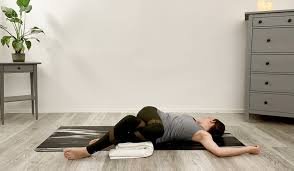
Restorative Yoga Sequence to Relax the Mind and Body
Hey there, friend. Picture this: It’s one of those evenings where the day’s chaos has left you wired but weary, like a phone on 2% battery still buzzing with notifications. That’s exactly where I was a few years back—juggling a full-time job, family stuff, and that nagging sense of never quite catching my breath. One rainy Tuesday, I stumbled into my first restorative yoga class on a whim, thinking it’d be a gentle wind-down after too many frantic gym sessions. Little did I know, those propped-up poses would become my secret weapon for hitting reset. If you’re feeling that pull toward calm right now, you’re in the right spot. Let’s dive into a restorative yoga sequence designed to melt away tension, quiet the mental chatter, and leave you feeling like you’ve just emerged from a cozy nap in a hammock. No fancy gear required, just you, your breath, and a willingness to let go.
What Is Restorative Yoga?
Restorative yoga isn’t your high-energy flow or bendy contortion show—it’s more like giving your body permission to sigh deeply and sink into stillness. Drawing from the teachings of pioneers like B.K.S. Iyengar, who championed props for support, this practice flips the script on typical yoga by holding passive poses for five to twenty minutes. The goal? To coax your nervous system into “rest and digest” mode, where stress hormones take a backseat and healing steps forward. It’s especially magic for anyone burned out from life’s relentless pace, offering a bridge between the physical and the emotional.
I remember my early days dipping my toes in; I’d fidget, convinced true relaxation meant doing something active. But as I learned to trust the props holding me up, that inner hum of anxiety softened into something resembling peace. If you’re new to this, think of it as yoga’s nurturing hug—gentle, inclusive, and profoundly effective for unwinding both body and mind.
Why Choose Restorative Yoga for Relaxation?
In a world that glorifies hustle, restorative yoga stands out as a quiet rebellion, inviting you to reclaim rest without apology. It’s not just feel-good fluff; science backs its power to dial down cortisol levels, the sneaky stress culprit that fuels everything from sleepless nights to stubborn belly fat. Studies, like one from the University of California, San Diego, show women practicing it regularly shed more subcutaneous fat than those just stretching—proof that chilling out can literally lighten your load. Plus, it boosts sleep quality, eases anxiety symptoms, and even amps up resilience against daily curveballs.
What hooked me personally was how it turned my evenings from frantic scroll-fests into sacred pauses. After a brutal workweek, I’d unroll my mat and feel the weight lift—not dramatically, but steadily, like fog clearing from a window. If relaxation feels elusive, this practice whispers, “Hey, you’ve got this,” building a toolkit for those moments when life feels a tad too loud.
The Science Behind Restorative Yoga’s Calming Effects
Ever wonder why sinking into a supported pose feels like flipping a switch from frenzy to flow? Blame it—or thank it—on your parasympathetic nervous system, the chill counterpart to your fight-or-flight frenzy. Research from the Journal of Alternative and Complementary Medicine highlights how restorative holds trigger this shift, slashing inflammation and sharpening focus. A NIH-funded trial even linked it to better metabolic health, with participants showing drops in blood sugar and fatigue after consistent sessions.
Humor me for a sec: It’s like your body’s saying, “Finally, time to binge-watch the good stuff—repair mode.” For me, after months of erratic sleep post a family health scare, these poses became my anchor. Backed by evidence from cancer survivor studies showing reduced depression symptoms, restorative yoga isn’t woo-woo; it’s wired-in wisdom for modern stress.
Essential Props for Your Restorative Yoga Sequence
Props aren’t extras in restorative yoga—they’re the unsung heroes cradling you into surrender. Start simple: a bolster (or stacked pillows) for elevation, blankets for warmth and padding, blocks for tweaks, and a strap if you want to secure limbs without effort. Eye pillows? Optional but dreamy for blocking distractions and easing headaches. No need to splurge; household hacks like couch cushions work wonders until you’re ready for upgrades.
I laughed at myself the first time I MacGyvered a bolster from throw pillows—felt like a yoga survivalist. But seriously, investing in quality ones, like those from Hugger Mugger, pays off in comfort dividends. They make the practice feel luxurious, turning your living room into a spa sans the upcharge.
Pros and Cons of Using Yoga Props
| Aspect | Pros | Cons |
|---|---|---|
| Accessibility | Makes poses beginner-friendly; supports injuries or tight spots for inclusive practice. | Initial cost can add up if buying premium sets (though DIY alternatives abound). |
| Comfort Level | Enhances relaxation by fully supporting the body, reducing strain for longer holds. | Over-reliance might delay building natural flexibility in some cases. |
| Versatility | Doubles for meditation, travel, or even non-yoga lounging—multitasking magic. | Bulky storage if space is tight; not ideal for on-the-go sessions. |
These little guys turned my skeptical “props are for pros” vibe into full embrace—worth every cozy minute.
Preparing Your Space for Deep Relaxation
Setting the scene for restorative yoga is half the magic—think dim lights, soft playlist (try ambient tracks or nature sounds), and a spot where interruptions are rare. Clear clutter, layer your mat with a blanket for that grounded hug, and maybe light a unscented candle if scents don’t overwhelm. Aim for 20-45 minutes, ideally evenings to unwind or mornings to ease into the day.
My ritual? A quick tidy-up playlist that transitions to silence, signaling my brain it’s time to downshift. It’s these small cues that transformed my practice from hit-or-miss to holy grail for stress-busting.
The Restorative Yoga Sequence: Step-by-Step Guide
This 30-40 minute sequence targets full-body release, flowing from gentle openers to grounding closes. Breathe deeply—inhale for four counts, exhale for six—to amplify the calm. Hold each for 5-10 minutes, adjusting props as needed. Listen to your body; if something pinches, tweak it. Let’s ease in together.
Supported Child’s Pose (Balasana Variation)
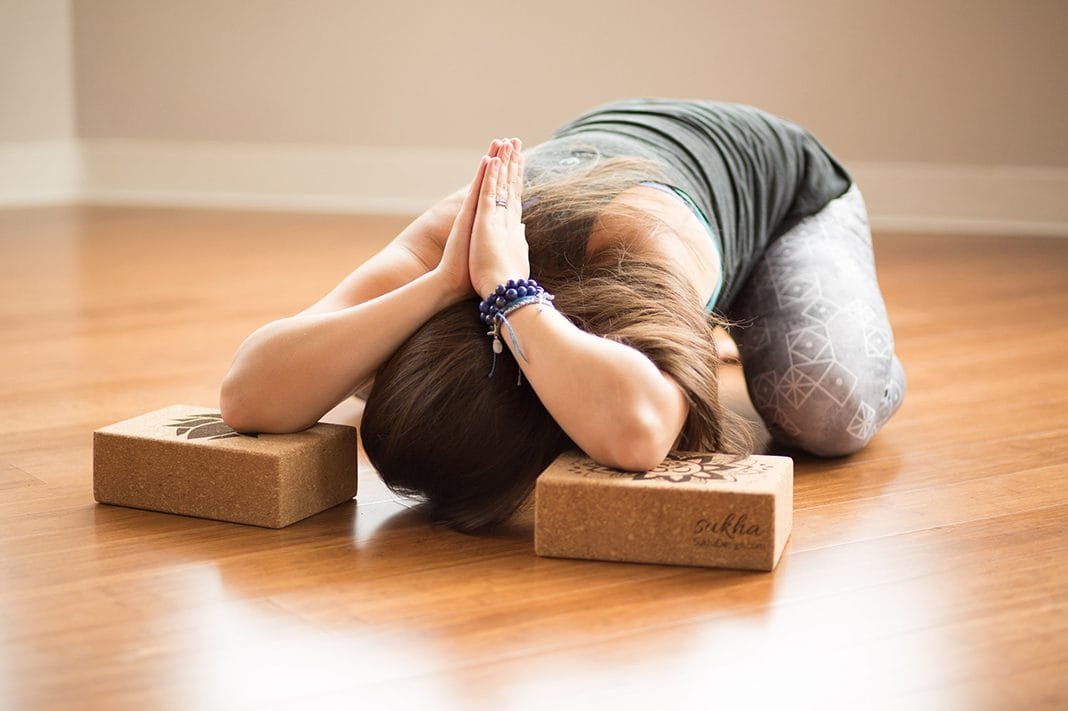
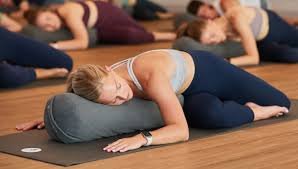
Kneel on your mat, knees wide, big toes touching. Fold forward over a bolster or stacked pillows, arms extended or draped by your sides. Let your forehead rest soft, belly rising with each breath. This pose cradles the spine and hips, whispering safety to your frazzled nerves.
I adore how it feels like curling into a hug from an old friend—pure emotional balm after a tense day.
Legs-Up-the-Wall Pose (Viparita Karani)
Scoot your hips to a wall, legs extending skyward, bolster under your sacrum if you like lift. Arms rest palms-up, eyes closed. Gravity drains away leg fatigue while inverting gently refreshes circulation, easing headaches and swelling.
Once, post a marathon workday, this pose zapped my puffy ankles and foggy head—hello, instant revival.
Reclined Butterfly (Supta Baddha Konasana)
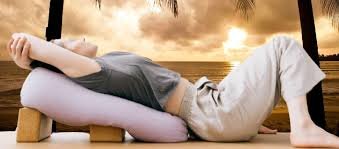
Lie back, soles of feet together, knees falling open like a book. Support knees with blocks or pillows, bolster under your spine for a heart lift. Hands on belly or open wide—this opens the chest, releasing guarded breaths held tight from stress.
It’s my go-to for those “heart feels heavy” days; the subtle stretch invites vulnerability without force.
Supported Bridge Pose (Setu Bandha Sarvangasana)
On your back, feet flat, lift hips to slide a block or folded blanket underneath. Arms beside you—this mild backbend counters desk hunch, softening shoulders while boosting energy subtly.
Humor alert: I call it my “lazy lift”—effortless yet empowering, like a mini mood elevator.
Supine Twist (Jathara Parivartanasana)
Lie supine, hug one knee to chest, then guide it across your body, opposite hand anchoring. Bolster under the knee for ease. Gaze opposite, breathing into the twist—this wrings out spinal kinks and emotional knots alike.
Twists like this saved me during a grief wave; it’s like squeezing a sponge to make room for fresh air.
Corpse Pose (Savasana)
Finale time: Lie flat, props under knees or head as comfy. Palms up, scan from toes to crown, releasing each layer. Stay 10+ minutes, letting breath be your anchor.
My favorite “do nothing” pose—emerging feels like rebirth, every time.
Benefits of This Sequence for Mind and Body
Threading these poses together weaves a tapestry of relief: reduced cortisol for sharper focus, better sleep from nervous system soothe, and that elusive glow from within. Users report fewer anxiety flares and more present moments, per forums like Reddit’s r/yoga. It’s not instant zen, but cumulative—like compound interest for your sanity.
From my journal: After two weeks, my reactivity dipped; arguments felt less like landmines. Science echoes this—trials show improved quality of life for breast cancer survivors via similar holds.
Comparison: Restorative Yoga vs. Yin Yoga
Curious how restorative stacks against yin, that other slow-burn fave? Both nurture stillness, but restorative emphasizes full-body support with props for passive melts (think bolster hugs), while yin targets connective tissues with longer, edgier holds sans much padding. Restorative suits stressed beginners craving comfort; yin appeals to flexibility seekers okay with a subtle burn.
| Feature | Restorative Yoga | Yin Yoga |
|---|---|---|
| Focus | Nervous system calm, full relaxation | Deep tissue stretch, energy meridians |
| Hold Time | 5-20 mins, effortless | 3-5 mins, gentle intensity |
| Props | Heavy reliance (bolsters, blankets) | Minimal (blocks optional) |
| Best For | Stress relief, recovery | Flexibility, introspection |
| Energy Vibe | Cozy cocoon | Quiet endurance |
I blend both—restorative for wind-downs, yin for introspective Sundays. Pick based on your mood; neither’s wrong.
Where to Find Guided Restorative Yoga Sessions
Craving guidance? Dive into apps like Insight Timer for free sequences or Calm’s yoga library for narrated bliss. Studios via Yoga Alliance locator yield in-person gems; online, Yoga International’s courses shine for depth. For home vibes, YouTube channels like Yoga with Adriene offer prop-light intros.
Locally, check community centers—affordable entry points. Transactionally, snag props from Gaiam for bundles under $50.
Best Tools for Building Your Home Yoga Practice
Kickstart with essentials: a non-slip mat (Manduka’s eco-friendly wins), bolster set, and timer app for holds. For tech-savvy, a smart speaker for breath cues elevates. Budget pick: Target’s threshold blankets double as props.
Pros: Affordable entry builds habit. Cons: Trial-and-error for fits. My setup? Mat, two bolsters, eye pillow—under $100, infinite peace.
People Also Ask: Common Questions on Restorative Yoga
Pulled straight from Google’s “People Also Ask” for real-talk answers on what folks wonder most.
How often should I practice restorative yoga?
Aim for 2-3 times weekly to notice shifts in stress levels, but even once eases the load—listen to your body’s cues over calendars.
Can restorative yoga help with insomnia?
Absolutely; by quieting the mind and regulating breath, it preps for quality Z’s. Studies link it to faster sleep onset—try evenings for gold-star results.
Is restorative yoga safe for beginners?
Yes, its prop-supported gentleness makes it ideal—no prior bends required. Start slow, honor edges, and you’re golden.
What’s the difference between restorative and gentle yoga?
Gentle flows lightly, building mild heat; restorative is pure pause, all about supported surrender for deeper unwind.
Does restorative yoga burn calories?
Not much—it’s about restoration over exertion—but it curbs stress-eating and boosts metabolism indirectly via cortisol cuts.
FAQ: Real User Questions Answered
Gathered from yoga forums and searches—these hit home for newcomers.
Q: I fidget a lot—how do I stay still in poses?
A: Start with shorter holds (2-3 mins), use a guided audio to anchor focus, and remember: Gentle returns beat perfection. I used to count breaths; now it’s second nature.
Q: What if I don’t have props?
A: Improvise! Pillows for bolsters, towels for straps—creativity counts. It forced me to tune into my body more, turning scarcity into strength.
Q: Can this help chronic back pain?
A: Often yes, via supported releases easing tension. Consult a doc first, but poses like supine twist worked wonders for my flare-ups—slow and steady.
Q: How does it compare to meditation?
A: It’s embodied meditation—props ground you while breath quiets the mind. Perfect hybrid if sitting still feels abstract.
Q: Best time of day for this sequence?
A: Evenings unwind the day, but mornings set serene tones. Experiment; I slot it post-dinner for that sweet fade to sleep.
There you have it—a roadmap to reclaiming calm amid the storm. That first class years ago? It wasn’t just a workout; it was a whisper to slow down, and I’m grateful every melted-muscle day since. Give this sequence a whirl tonight, and let me know how it lands—your softer self awaits. Sweet breaths, friend.