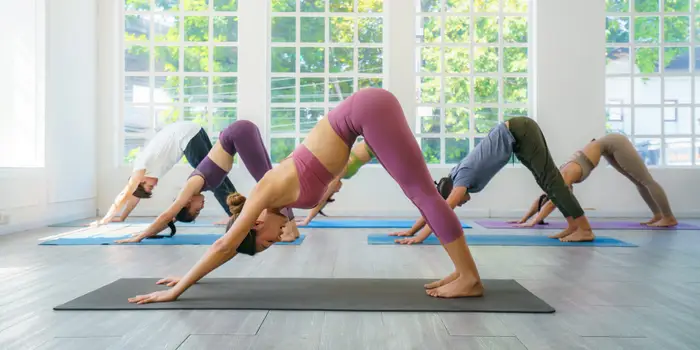
So You Think You Know What Ashtanga Yoga Is All About
Hey, you. Yeah, you—the one scrolling through Instagram, eyeing those bendy folks in warrior poses, wondering if yoga’s just a fancy stretch session or something deeper. I get it. I was right there with you a decade ago, fresh off a desk job that had my back screaming louder than my alarm clock. One humid morning in a dimly lit studio, I stumbled into my first Ashtanga class, sweat-drenched and humbled by a simple sun salutation. Little did I know, that sweaty mess would unravel my stress knots and stitch together a calmer version of me. If you’re dipping your toes into Ashtanga Yoga, buckle up. This isn’t your grandma’s gentle flow (unless your grandma’s a badass). It’s a rhythmic dance of breath and body, ancient roots wrapped in modern grit. Let’s unpack it all—no fluff, just real talk from someone who’s tripped through the series more times than I can count.
The Roots: Where Ashtanga Came From and Why It Still Packs a Punch
Picture this: It’s the early 1900s in a dusty corner of India, and a young firecracker named K. Pattabhi Jois is soaking up wisdom from his teacher, Tirumalai Krishnamacharya—the guy often called the father of modern yoga. Jois didn’t invent Ashtanga; he polished it from ancient texts like the Yoga Korunta, blending breath-synchronized poses into a flowing system that’s as old as the hills but feels tailor-made for our chaotic lives. Fast-forward to today, and it’s exploded worldwide, thanks to Jois’s grandson Sharath Jois keeping the flame alive in Mysore. But here’s the kicker: Ashtanga isn’t some rigid relic. It’s evolved, adapting to real bodies—like mine, which protested every chaturanga until it didn’t. What hooks people? That promise of purification, body and mind, through six progressive series. It’s not just exercise; it’s a mirror, reflecting your grit and grace. Dive in, and you’ll see why it’s not fading anytime soon.
What Exactly Is Ashtanga Yoga? Busting the Myths
At its core, Ashtanga Yoga is a vinyasa-style powerhouse—think dynamic flows where every inhale lifts you up, every exhale grounds you down. But don’t confuse it with Patanjali’s “eight limbs” from the Yoga Sutras; that’s the philosophical backbone, while this is the sweaty, asana-focused branch popularized by Jois. It’s built on tristhana: breath (ujayi pranayama), posture (asanas), and gaze (drishti). You sync ’em all in a fixed sequence, generating heat that detoxes like a full-body sauna. Myth one: It’s only for super-flexible athletes. Ha! I started as a stiff desk jockey, and my first downward dog wobbled like a newborn foal. Truth is, it’s adaptable—teachers tweak for beginners, injuries, or that time of the month. Another whopper: It’s all grind, no grace. Sure, it’s intense, but that burn? It’s where the magic happens, forging focus sharper than my pre-yoga coffee buzz.
Let’s break it down quick. Ashtanga’s heart is the Primary Series (Yoga Chikitsa), a 90-minute sequence starting with sun salutations, rolling into standing poses, then seated ones, and wrapping with inversions and savasana. You learn it piecemeal, like building a Lego set one brick at a time. No rushing—master one chunk, unlock the next. It’s disciplined, yeah, but that’s the beauty: repetition breeds revelation. I remember nailing navasana (boat pose) after months of flailing; that “aha” moment? Priceless, like finding an extra hour in your day.
The Eight Limbs: Ashtanga’s Philosophical GPS
Okay, rewind to sage Patanjali around 200 BCE. He sketched yoga as eight interconnected limbs in his Sutras—not a tree, but a holistic path to inner peace. Ashtanga weaves ’em all in, but Jois zeroed in on asana as the gateway. The limbs? Yamas (ethical restraints like non-violence), niyamas (self-study and discipline), asana (postures), pranayama (breath control), pratyahara (sense withdrawal), dharana (focus), dhyana (meditation), and samadhi (blissful union). It’s not fluffy theory; it’s practical. In practice, drishti keeps your eyes (and mind) locked, turning a sweaty flow into moving meditation. I’ve had days where traffic rage melted away mid-marichyasana—proof these limbs aren’t just words on a page. They’re your roadmap from chaos to calm, one vinyasa at a time.
Humor me for a sec: Imagine your brain as a rowdy puppy. The eight limbs are the leash, treats, and walks that turn it into a chill lap dog. Skip ’em, and you’re just chasing your tail in fancy pants. Ashtanga reminds us yoga’s bigger than bendy pics—it’s ethics in action, breath as anchor. Start small: Pick one yama, like ahimsa (kindness), and watch how it ripples off the mat.
Ashtanga in Action: The Sequences That Build You Up
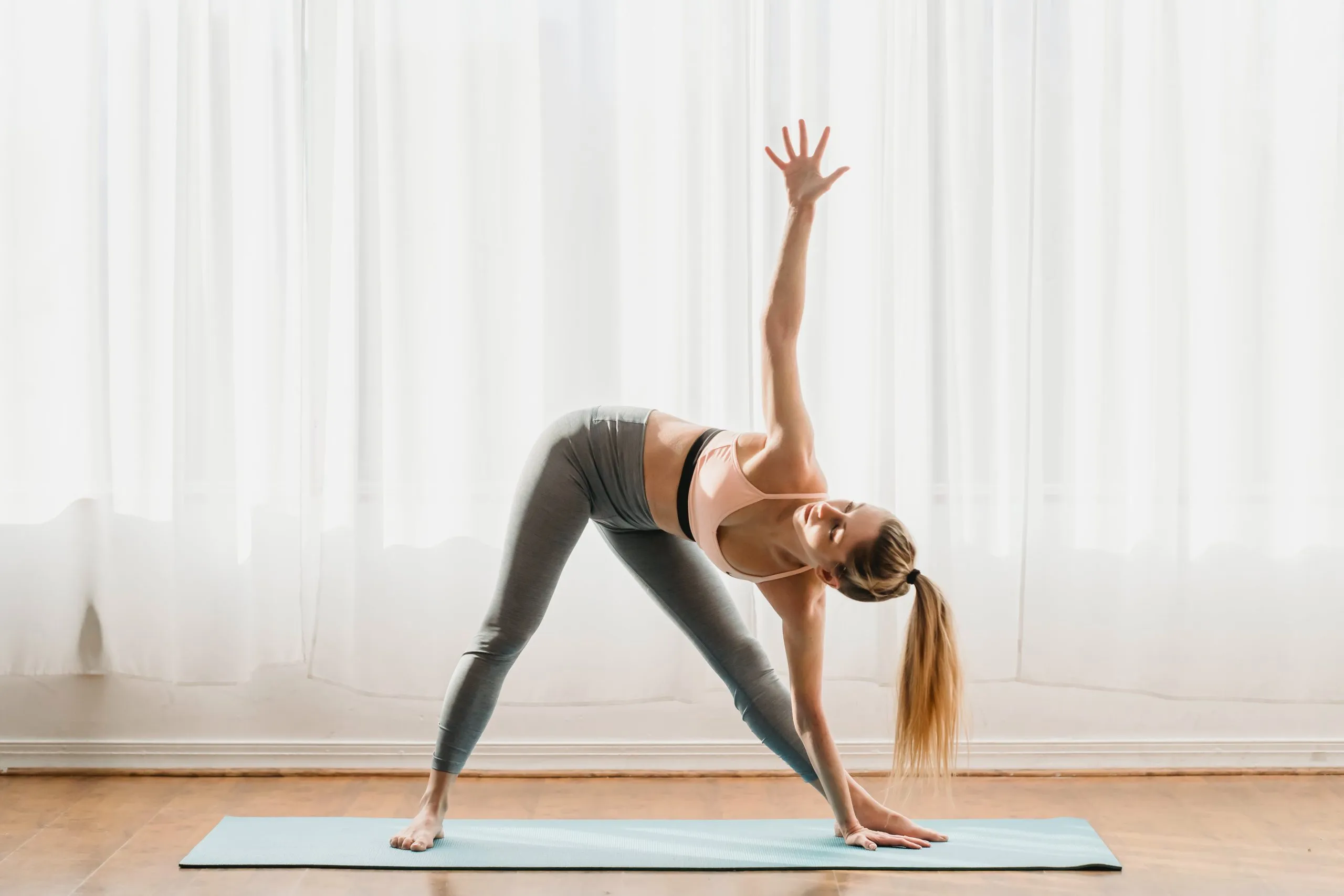
Roll out your mat, and Ashtanga unfolds like a well-worn storybook—predictable yet endlessly revealing. Kick off with five rounds each of Surya Namaskara A and B, those sun salutes that wake every muscle. Then standing postures like utthita trikonasana (extended triangle) test your balance; seated ones like paschimottanasana (seated forward bend) demand surrender. Finish with shoulder stands and headstands, if you’re there yet. It’s linear—no improv jazz here. That structure? It’s freedom in disguise, letting you track progress without second-guessing.
For beginners, it’s bite-sized. My first week? Just sun salutes and a handful of stands—20 minutes of focused fire. Now, full Primary takes me 75 minutes, but it’s not about speed; it’s savoring the sweat. Pro tip: Ujjayi breath—that oceanic hum—fuels it all. Inhale deep, exhale stronger; it’s your internal DJ, syncing heart to heat.
Sun Salutations: Your Gateway Drug to Ashtanga
Sun salutes aren’t just warm-ups; they’re the heartbeat of Ashtanga, priming you for the ride ahead. Surya A flows simple: mountain to forward fold, plank to cobra, back to mountain—five breaths per round. Add B for warrior lunges and chair poses, and boom, you’ve got cardio with soul. I once timed mine during a brutal deadline week; that rhythm? Better than therapy. They’re scalable—modify knees down, skip jumps if hips holler. Do ’em daily, and you’ll crave the full sequence like coffee at dawn.
Standing Sequence: Grounding Your Warrior Within
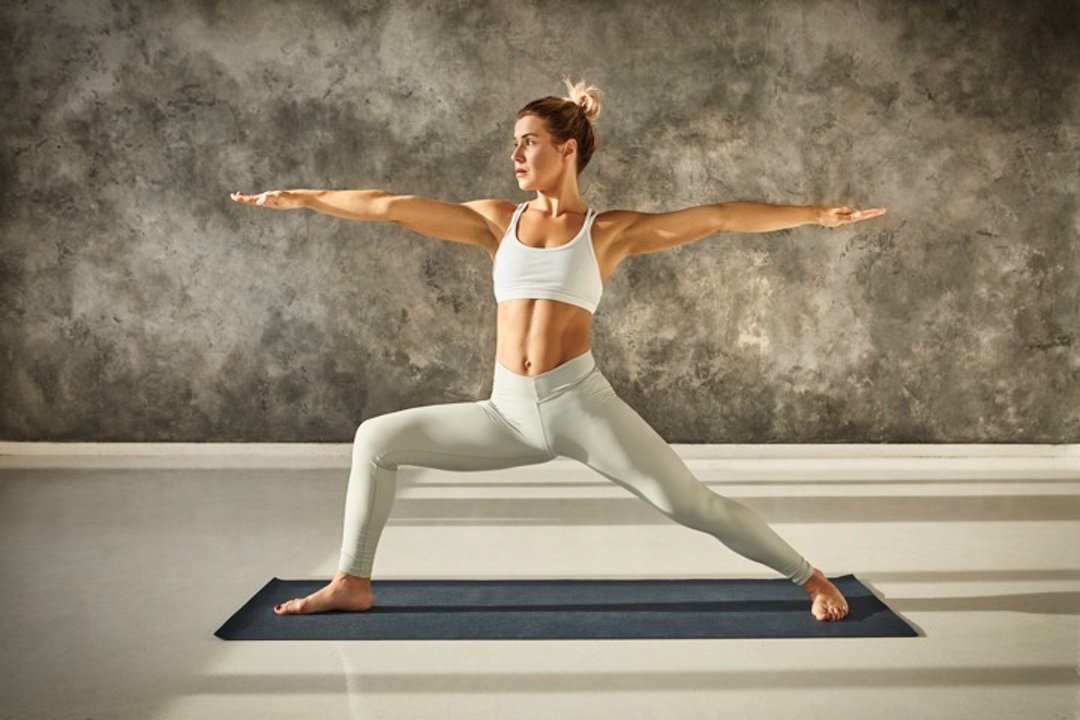
Next up: The standing series, a gauntlet of triangles, warriors, and half-moons that scream “stability!” From padangusthasana (big toe pose) to virabhadrasana B (humble warrior), it’s about rooting down while reaching up. Early on, I toppled like a tipsy tree in ardha chandrasana—hilarious in hindsight, humbling then. But stick with it; these build the legs of steel you’ll thank later in seated twists. Focus on drishti here—gaze at your thumb, not the floor—and watch wobbles fade to fierce.
Seated Series: Where the Deep Work Happens
Ah, seated poses—the meaty middle where flexibility flirts with frustration. Janu sirsasana (head-to-knee) to urdhvva dhanurasana (upward bow) challenge your spine and soul. It’s forward folds for detox, twists for wringing out worry. My breakthrough? Marichyasana D, that bound twist that felt impossible until one rainy Tuesday it clicked—pure eureka. Breathe through the bind; it’s not about touching toes, but touching your edges.
Ashtanga vs. Vinyasa: Same Flow, Different Flavor?
Ever wondered why Ashtanga gets the “intense cousin” rep next to chill Vinyasa? Both sync breath to motion, but Ashtanga’s scripted—like a choose-your-own-adventure with no detours. Vinyasa? Freestyle jam session, poses popping up like plot twists. I bounced between ’em early on; Vinyasa felt fun, flirty, but Ashtanga? It dug deeper, demanding discipline that spilled into my work ethic.
| Aspect | Ashtanga Yoga | Vinyasa Yoga |
|---|---|---|
| Sequence | Fixed order, six series | Creative, teacher-led variations |
| Pace | Steady, breath-driven rhythm | Variable, can amp up or slow down |
| Intensity | High—builds heat through repetition | Moderate to high, mood-dependent |
| Learning Curve | Steep but structured for progress | Flexible, easier entry for newbies |
| Focus | Tristhana (breath, pose, gaze) | Flow and intuition |
Ashtanga wins for measurable growth—like leveling up in a game—while Vinyasa shines for variety, keeping boredom at bay. Me? I hybrid now: Ashtanga backbone, Vinyasa flair on off days. Pick based on your vibe—structure or spontaneity?
Pros and Cons: The Real Scoop on Ashtanga’s Edge
Ashtanga’s no fairy tale; it’s a forge, hammering weaknesses into strengths. Pros? Monumental. It sculpts endurance—studies show it boosts bone density and slashes stress hormones. Mentally, that focus? Razor-sharp, turning monkey mind into zen master. I dropped 15 pounds my first year, not dieting, just flowing. Socially, shalas breed tribes—sweaty, supportive souls who get your 5 a.m. grind.
But cons lurk. Repetition risks overuse injuries if you’re ego-driven (guilty, early days—hello, tweaked hamstring). It’s time-hungry—six days ideal, but life’s not a monastery. And dogmatic vibes? Some studios push purity over people, alienating beginners.
Pros List:
- Builds killer strength and flexibility
- Detox through internal heat—sweat’s your superpower
- Sharpens mental clarity and discipline
- Trackable progress keeps you hooked
Cons List:
- Injury risk from pushing too hard
- Demands commitment—early mornings, no skips
- Less variety; can feel monotonous
- Intimidating for total newbies
Balance it: Listen to your body, modify freely. It’s your practice, not a boot camp.
Benefits That’ll Hook You for Life
Beyond the burn, Ashtanga’s a wellness wizard. Physically, it torches calories (300+ per session), tones core, and amps flexibility—my once-rigid shoulders now roll like butter. Mentally? Ujjayi breath dials down anxiety; one study linked it to lower cortisol. Emotionally, it’s cathartic—tears mid-backbend? Normal, healing stuff. Spiritually, those eight limbs nudge you toward ethics and enlightenment. I sleep deeper, react less, live fuller. Light humor: It’s like therapy, but you pay in sweat, not shrinks.
And the science? A 2008 survey found 62% of practitioners reported injuries, but that’s skewed—no control group. Done right, with mods, it’s safer than couch-potatoing. Bonus: Better digestion, posture, even mood—hello, endorphin high.
Getting Started: Your Beginner Blueprint
Nervous newbie? You’re in good company—I was terrified my first Mysore class, fumbling like a fish on land. Start simple: Find a teacher-led intro, not full Primary. Aim for 3x/week, mornings if possible—aligns with tradition, wakes your fire. Gear? Mat, towel (sweat alert), water. Breathe like ocean waves; modify knees, blocks—ego out, ease in.
Where to dive? Local shalas via Ashtanga Yoga Center or apps like Down Dog for guided flows. Online gems: Kino MacGregor’s beginner series on OmStars. Pro move: Journal post-practice—what felt good, what grumbled? Builds body wisdom.
Essential Gear for Your First Flow
- Non-slip mat: Manduka’s gold standard
- Towel: Sweat magnet
- Blocks/straps: Mods for mortals
- Comfy threads: Breathable, not baggy
Budget hack: Borrow first, invest later. Remember, it’s the practice, not the props.
Best Resources: Books, Apps, and Studios to Fuel Your Fire
Fuel your journey with these gems. Books first: David Swenson’s Ashtanga Yoga: The Practice Manual—spiral-bound blueprint for Primary, my mat-side bible. Gregor Maehle’s Ashtanga Yoga Practice and Philosophy dives deep into anatomy and sutras—mind-blowing for theory lovers. Jois’s Yoga Mala? The OG, straight from the source.
Apps: Down Dog for customizable sequences; Insight Timer for free guided Ashtangas. Studios? Mysore-style spots like Sharath Yoga Centre in India for immersion, or hunt local via Yoga Alliance. Podcasts: “Ashtanga Yoga with Tim” for laughs and lore.
Top 5 Starter Picks:
- The Power of Ashtanga Yoga by Kino MacGregor: Beginner-friendly pep talk
- YouTube: Fightmaster Yoga’s Primary breakdowns
- Online: OmStars membership—endless flows
- Local: Google “Ashtanga Mysore near me”
- Community: Reddit’s r/ashtanga for real-talk tips
These aren’t just tools; they’re trail guides. I devoured Swenson during lockdowns—kept me sane.
People Also Ask: Real Questions, Straight Answers
Google’s got questions; I’ve got stories. Pulled these from the SERP—common curiosities that trip folks up.
Is Ashtanga Yoga suitable for beginners?
Absolutely, but ease in. Start with half-Primary or led classes; it’s tough but scalable. My first go? 20 minutes of basics—enough to spark without sparking burnout. Modify everything; it’s your body, your rules.
How often should you do Ashtanga Yoga?
Tradition says six days, rest Saturdays/moons—builds rhythm like clockwork. Real life? 3-4x/week minimum for gains. I skipped Sundays for family; world didn’t end. Listen to fatigue; quality trumps quantity.
What’s the difference between Ashtanga and Vinyasa?
Ashtanga’s scripted playlist; Vinyasa’s improv set. Both flowy, but Ashtanga’s repetition builds discipline, Vinyasa variety sparks joy. I crave Ashtanga’s structure Mondays, Vinyasa’s whimsy Fridays.
Can Ashtanga Yoga help with weight loss?
Yep—high-calorie burn plus mindful eating edge. I shed stress pounds, not fad-dieter style. Pair with sattvic eats; it’s holistic, not hustle.
Is Ashtanga Yoga dangerous?
Only if you force it. Injuries from ego-pushing, but smart practice? Gold. Survey says 62% tweak something, but controls matter. Teacher up, modify down—I’ve dodged disasters that way.
FAQ: Your Burning Questions, Answered
Got more? Here’s the unfiltered scoop on what folks ping me most.
How long does a beginner Ashtanga session take?
20-45 minutes at first—sun salutes plus a few stands. Build to 90 as you bloom. Mine crept up; now it’s non-negotiable ritual.
Do I need prior yoga experience?
Nope! But basic mobility helps. If downward dog’s foreign, start with a gentle hatha primer. Ashtanga welcomes all, wobbles and all.
What’s Mysore-style, and is it for me?
Self-paced learning in a group—teachers roam, adjust one-on-one. Intimidating? Kinda. Magical? Totally. I love the silence; it’s intimate chaos.
Can I practice Ashtanga at home?
Hell yes—once basics click. Use Swenson’s manual or apps. My home flows saved sanity during moves. Just commit; no Netflix mid-chaturanga.
How does Ashtanga affect mental health?
Game-changer—cuts anxiety, boosts resilience. That post-practice glow? Endorphins plus equanimity. I’ve navigated breakups on the mat; it’s therapy with torque.
Wrapping It Up: Your Mat Awaits
There you have it—the unvarnished truth on Ashtanga Yoga, from ancient whispers to your sweaty now. It’s not Instagram-perfect; it’s raw, revealing, rewarding. Like that first awkward date that blooms into forever, it asks for patience, delivers depth. I started skeptical, emerged steady—stronger hips, softer heart. Whatever your why—stress shred, soul search, or just better sleep—step on the mat. Stumble, sweat, soar. You’ve got this. What’s your first move? Drop a comment; let’s chat flows.