The 5 Problems with Vinyasa Yoga and Solutions
Hey there, fellow yogi—or maybe you’re just dipping your toes into the practice. I’ve been flowing through vinyasa classes for over a decade now, ever since I stumbled into one during a stressful job phase, hoping to find some zen. Picture this: I was that awkward newbie huffing through sun salutations, feeling like a pretzel in a windstorm. But vinyasa hooked me with its rhythmic dance of breath and movement. It’s dynamic, energizing, and yes, sometimes frustrating. Today, let’s chat about the real side of it—the problems that pop up and how to tackle them head-on. We’ll keep it honest, drawing from my own mat mishaps and what I’ve learned from teachers along the way. If you’re tired of glossed-over yoga advice, stick around; this is for you.
Understanding Vinyasa Yoga
Vinyasa yoga, often called “flow yoga,” links poses with breath in a seamless sequence, creating a moving meditation. Think of it as syncing your inhales and exhales to transitions, like rising into upward dog on a breath in. It’s rooted in ancient traditions but modernized for today’s fast-paced world, making it popular in studios everywhere.
Unlike static styles, vinyasa keeps you moving, building heat and strength while calming the mind. But that fluidity can trip people up if they’re not prepared.
The Benefits of Vinyasa Yoga Before Diving into Issues
Before we nitpick, let’s give credit where it’s due. Vinyasa isn’t all pitfalls; it’s packed with perks that keep me coming back.
- Builds Cardiovascular Endurance: The constant flow gets your heart pumping, like a gentle cardio session without the treadmill dread.
- Enhances Flexibility and Strength: Poses target multiple muscle groups, leaving you feeling toned and limber.
- Boosts Mental Clarity: Linking breath to movement quiets the monkey mind—I’ve left classes feeling like I hit reset on my brain.
- Promotes Mindfulness: It’s a full-body workout for presence, helping with stress in ways therapy sometimes can’t touch.
- Community Vibe: Group classes foster connection, turning solo practice into shared energy.
Of course, no practice is perfect. Let’s get into the challenges.
Problem 1: Risk of Injury from Poor Alignment
In vinyasa’s quick transitions, alignment often takes a backseat. I’ve seen folks—and been one—rounding backs in chaturanga, straining shoulders because the flow feels more important than form. Without proper cues, wrists and lower backs bear the brunt, leading to nagging pains that sideline your practice.
This issue stems from classes assuming everyone knows the basics, but reality check: many don’t. It’s like jumping into a salsa dance without learning the steps first.
Solution: Prioritize Alignment-Focused Classes
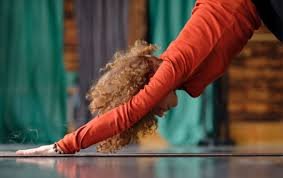
Seek instructors who emphasize form over speed. Start with slower flows or workshops on pose breakdowns—I once attended a session that fixed my wonky downward dog, and it was a game-changer. Use props like blocks to support your body, building strength safely.
Incorporate personal check-ins: Pause mid-flow to realign. Over time, this turns potential injuries into empowered practice.
Problem 2: Repetitive Movements Leading to Overuse
Vinyasa loves its sun salutations, but repeating the same sequences can wear on joints. My wrists started aching after months of endless chaturangas, a classic overuse story from pushing through without variation. It’s efficient for building heat, but without balance, it invites strain in shoulders, knees, and hips.
Teachers sometimes stick to familiar flows for class structure, overlooking how bodies differ. Humor me: It’s like eating the same salad every day—nutritious, but eventually, your taste buds rebel.
Solution: Vary Your Sequences and Listen to Your Body
Mix it up by alternating classes or adding restorative poses at home. I switched to including more hip openers, and my body thanked me with less soreness. Communicate with teachers about modifications; a good one will adapt.
Track your practice in a journal to spot patterns. Rest days are key—think of them as your body’s recharge button.
Problem 3: Fast Pace That’s Tough for Beginners
The speedy nature of vinyasa can overwhelm newcomers. I remember my first class: Trying to keep up felt like chasing a runaway train, leaving me breathless and discouraged. It’s great for cardio, but without options to slow down, beginners risk poor form or burnout.
Not all classes label levels clearly, so you might end up in an advanced flow by accident. It’s comical in hindsight, but frustrating when you’re the one flailing.
Solution: Start Slow and Build Gradually
Opt for beginner-friendly vinyasa or hybrid classes that blend flow with holds. Apps like Glo offer paced sessions—I used them to practice at home, gaining confidence without the studio pressure.
Focus on breath first; move slower if needed. Teachers often say, “Make it your own,” so take that permission seriously.
Problem 4: Difficulty Syncing Breath with Movement
Breath is vinyasa’s heartbeat, but coordinating it amid quick poses is tricky. I’ve hyperventilated through sequences, turning what should be meditative into a panic. Shallow breathing leads to fatigue, missing the practice’s calming essence.
In crowded classes, personal guidance is rare, amplifying the challenge. It’s like trying to whistle while running—not impossible, but it takes finesse.
Solution: Practice Breath Work Separately
Dedicate time to pranayama exercises like ujjayi breathing outside class. I started with five minutes daily, and it transformed my flows from chaotic to centered.
In class, if breath lags, hold a pose longer. Over time, it becomes second nature, enhancing that mind-body connection.
Problem 5: Lack of Personalization in Group Settings
Vinyasa classes often follow a one-size-fits-all script, ignoring individual needs. With injuries or limitations, I’ve felt out of place, pushing through poses that didn’t serve me. It’s efficient for groups but can alienate those with unique bodies.
Teachers juggle many students, so custom tweaks get overlooked. Ever felt like the odd one out in a synchronized swim? That’s it.
Solution: Choose Small Classes or Private Sessions
Look for smaller studios where instructors can offer hands-on adjustments. I found a local spot with capped class sizes, and the difference was night and day.
Communicate your needs upfront—most teachers appreciate it. Supplement with online resources tailored to you.
Vinyasa Yoga vs. Hatha Yoga: A Quick Comparison
Wondering how vinyasa stacks up? Here’s a side-by-side look.
| Aspect | Vinyasa Yoga | Hatha Yoga |
|---|---|---|
| Pace | Fast, flowing sequences | Slow, deliberate holds |
| Focus | Breath-movement sync, cardio | Alignment, balance, relaxation |
| Difficulty | Moderate to high, builds endurance | Beginner-friendly, foundational |
| Benefits | Strength, flexibility, mental flow | Stress relief, posture improvement |
| Drawbacks | Risk of injury from speed | Less cardiovascular intensity |
This table highlights why blending styles can create a well-rounded routine. For more on hatha, check our beginner hatha guide (internal link).
Pros and Cons of Vinyasa Yoga
Let’s break it down simply.
Pros:
- Dynamic and engaging, keeping boredom at bay.
- Improves overall fitness with minimal equipment.
- Fosters discipline through consistent practice.
- Adaptable for home or studio settings.
Cons:
- Potential for misalignment without guidance.
- Overly repetitive if not varied.
- Intimidating pace for novices.
- Requires good baseline fitness to enjoy fully.
Balancing these helps you decide if it’s your jam.
People Also Ask
Drawing from common Google queries, here’s what folks wonder about vinyasa issues.
What are the disadvantages of vinyasa yoga?
Vinyasa’s fast flow can lead to injuries if alignment slips, and its repetition risks overuse. It’s less ideal for those seeking deep relaxation, as the pace prioritizes movement over stillness.
Is vinyasa yoga good for beginners?
It can be, but start with modified classes. The speed might overwhelm, so build basics first—think of it as learning to jog before sprinting.
Can vinyasa yoga cause injuries?
Yes, if done improperly. Common culprits: wrist strain from planks or back tweaks in transitions. Proper form and listening to your body minimize risks.
What’s the difference between vinyasa and hatha yoga?
Vinyasa is fluid and breath-linked, while hatha holds poses longer for alignment focus. Vinyasa amps up intensity; hatha eases in gently.
Best Tools for Vinyasa Yoga Practice
Ready to gear up? Here are top picks for enhancing your flow (affiliate links may apply).
- Yoga Mat: Manduka PRO for grip during sweaty sessions—check it on Amazon.
- Props Set: Hugger Mugger blocks and strap for modifications, available at YogaOutlet.
- App for Classes: Down Dog app offers customizable vinyasa flows; download from their site.
- Breath Tracker: Apps like Insight Timer for pranayama drills, free on app stores.
These make practice safer and more enjoyable.
Where to Find Great Vinyasa Classes
Hunting for spots? Start local or online.
- Studios: Search Yoga Alliance directories for certified teachers near you—visit Yoga Alliance.
- Online: Platforms like Alo Moves or YouTube channels from Adriene Mishler offer free sessions.
- Workshops: Check events on Eventbrite for alignment-focused intensives.
Building a routine? Mix in-person for community and virtual for convenience.
FAQ
Is vinyasa yoga better than other styles for weight loss?
It can aid weight loss with its cardio element, but consistency matters more than style. Pair it with diet for best results.
How can I prevent wrist pain in vinyasa?
Use fists or forearms in planks, or props to reduce angle. Strengthen wrists with exercises like wall pushes.
What’s a good alternative if vinyasa is too fast?
Try yin or restorative yoga for slower paces. They complement vinyasa nicely for recovery.
How often should I practice vinyasa to see improvements?
Aim for 3-4 times weekly, with rest days. Listen to your body—overdoing it leads to burnout.
Can pregnant women do vinyasa yoga?
With modifications, yes. Consult a doctor and choose prenatal classes for safety.
Wrapping up, vinyasa yoga has its quirks, but with these tweaks, it becomes a lifelong ally. I’ve turned my early struggles into strengths, and you can too. Roll out that mat, breathe deep, and flow on. If this resonated, share your stories below—let’s connect.