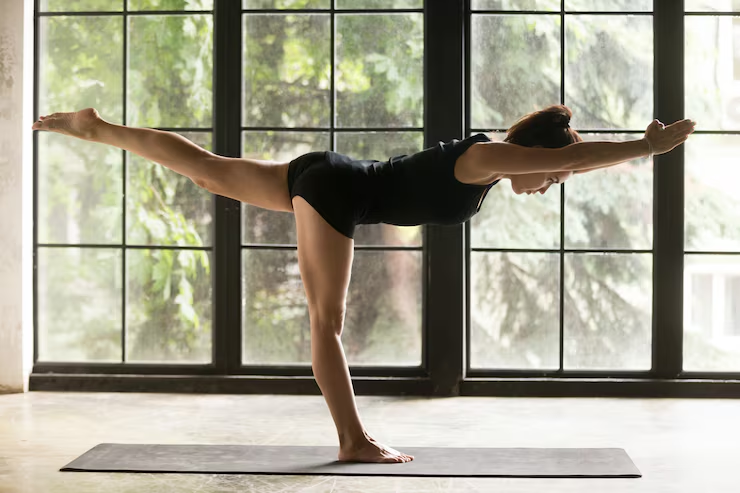
What is Vinyasa Yoga?
Hey there, if you’ve ever wandered into a yoga studio or scrolled through fitness apps wondering why everyone seems obsessed with “flow” classes, you’re probably curious about Vinyasa yoga. I remember my first brush with it years ago—I signed up thinking it’d be a chill stretch session, only to find myself sweating through seamless pose transitions that left me both exhausted and oddly energized. It’s that dynamic style where breath and movement dance together, turning a simple workout into something almost meditative. In this deep dive, we’ll unpack everything from its roots to how you can start flowing at home, all while keeping things real and relatable.
The Origins and Meaning Behind Vinyasa Yoga
Vinyasa yoga didn’t just pop up in trendy studios; it has ancient ties that make it feel timeless yet modern. Stemming from Sanskrit words “vi” meaning “in a special way” and “nyasa” meaning “to place,” it essentially describes arranging poses with intention, linking them fluidly. I like to think of it as choreography for the body, where each step builds on the last without awkward pauses.
Tracing Back to Ancient Roots
This practice draws from Vedic traditions thousands of years old, but it really took shape in the early 20th century thanks to teachers like T. Krishnamacharya, who influenced styles we know today. Picture royal palaces in India where yoga was taught as a flowing aerobic routine—it’s evolved, but that essence remains.
How Vinyasa Evolved into Modern Flow
Fast-forward to now, and Vinyasa has spun off into Power Yoga and Ashtanga variations, thanks to Krishnamacharya’s students like Pattabhi Jois. It’s no wonder it’s exploded in popularity; in a world of quick workouts, this one packs cardio, strength, and zen into one session.
Key Principles of Vinyasa Yoga
At its core, Vinyasa is about syncing breath with movement, creating a rhythm that feels like a moving meditation. Unlike static poses, everything transitions smoothly, often through a “vinyasa” sequence like plank to chaturanga to upward dog. It’s forgiving too—no fixed order means teachers can tailor it to any level.
Breath as the Guiding Force
Breath isn’t just an add-on; it’s the engine. Inhale to expand, exhale to fold or twist, keeping energy steady. I once held my breath during a tough flow and felt like I was fighting myself—learning to breathe right turned it into a breeze.
The Role of Transitions in Flow
Transitions are where the magic happens, bridging poses without breaks. Think jumping back or stepping forward; they build heat and focus, making the practice feel alive and continuous.
Vinyasa Yoga Poses and Sequences
Vinyasa shines in its sequences, starting often with Sun Salutations to warm up. A basic flow might go from mountain pose to forward fold, then plank, and cycle through warriors or balances. It’s customizable, so you can amp it up with arm balances or keep it grounded.
Essential Beginner Poses
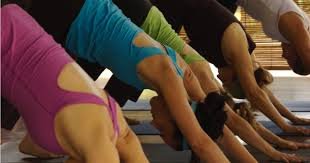
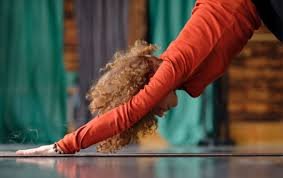
Start with downward dog for that full-body stretch, or child’s pose to reset. These build confidence before diving into flows, and trust me, nailing downward dog feels like a win every time.
Building a Simple Home Sequence
Try this: Begin in mountain, inhale arms up, exhale forward fold, step back to plank, lower to chaturanga, up to cobra, then down dog. Repeat for 5 rounds—it’s a quick energizer that mimics studio vibes.
Benefits of Practicing Vinyasa Yoga
Vinyasa isn’t just pretty poses; it’s a powerhouse for body and mind. It boosts cardio without pounding pavement, builds muscle tone, and melts stress away. After a rough week, nothing resets me like a good flow—it’s like therapy with sweat.
Physical Perks for Strength and Flexibility
Expect stronger cores, arms, and legs from holds like warrior poses, plus better flexibility in hips and hamstrings. Studies show it reduces arterial stiffness, aiding heart health as we age.
Mental and Emotional Gains
The breath focus quiets the mind, lowering anxiety. I’ve had days where Vinyasa turned my scattered thoughts into calm clarity—it’s emotional armor in disguise.
Vinyasa vs. Other Yoga Styles: A Comparison
Not all yoga is created equal, and Vinyasa stands out for its pace. Let’s break it down against popular ones to see why it might click for you.
Vinyasa vs. Hatha Yoga
Hatha is slower, holding poses for breaths to build endurance, while Vinyasa flows quickly, syncing each move to breath for a cardio twist. If Hatha’s like a leisurely walk, Vinyasa’s a brisk jog.
Vinyasa vs. Ashtanga Yoga
Ashtanga follows a set sequence, rigid and intense, but Vinyasa varies class to class. Both flow, yet Vinyasa offers more creativity for teachers and students.
| Style | Pace | Sequence | Focus |
|---|---|---|---|
| Vinyasa | Fast, flowing | Variable | Breath-movement sync, cardio |
| Hatha | Slow, deliberate | Flexible | Alignment, holds for strength |
| Ashtanga | Structured, vigorous | Fixed series | Discipline, endurance |
Pros and Cons of Vinyasa Yoga
Like anything, Vinyasa has upsides and potential pitfalls. Weighing them helps decide if it’s your jam.
Pros
- Builds full-body strength and cardio in one go.
- Improves flexibility and balance over time.
- Reduces stress through mindful breathing.
- Adaptable for all levels with modifications.
Cons
- Can be intense for beginners, risking injury if pushed too hard.
- Faster pace might overlook precise alignment.
- Requires focus; mind-wanderers may struggle at first.
- Not ideal if you prefer super-relaxing, restorative sessions.
Is Vinyasa Yoga Right for Beginners?
Absolutely, with tweaks. Start slow, modify chaturangas to knees-down, and build up. I was a newbie once, fumbling through flows, but persistence paid off—now it’s my go-to.
Tips for Newbies to Get Started
Listen to your body, use props like blocks, and find beginner-friendly classes. Hydrate, and don’t sweat the wobbles; they’re part of the fun.
Common Modifications
Drop knees in plank, skip jumps, or hold poses longer. These keep it accessible without losing the flow essence.
Where to Practice Vinyasa Yoga
Finding spots to flow is easy these days. Local studios offer in-person vibes, while online platforms bring classes to your living room.
Top Studios and Retreats
Check out places like YogaWorks or international spots in Bali for immersive experiences. For a getaway, Rishikesh retreats blend culture with daily Vinyasa. (Link to best yoga retreats for more.)
Best Online Vinyasa Classes
Platforms like Glo or Yoga International stream thousands of flows. Favorites include Adriene’s YouTube for freebies or paid subs like Alo Moves for variety. (External link: Glo Yoga)
Essential Tools for Vinyasa Practice
Gear up right to enhance your flow. A good mat prevents slips, and props make poses doable.
Best Yoga Mats and Props
Manduka PRO for grip, or budget-friendly Amazon Basics. Blocks and straps help with reaches—I’ve relied on them during tight-hip days.
Recommended Apps and Books
Apps like Down Dog customize sequences; books like “Light on Yoga” by Iyengar offer depth. (Link to top yoga books.)
- Pros of Manduka Mat: Durable, eco-friendly.
- Cons: Pricey upfront.
- Alternative: Jade Harmony for natural rubber.
People Also Ask About Vinyasa Yoga
Diving into common queries straight from searches, here’s what folks wonder.
What Does Vinyasa Mean in Yoga?
It translates to placing in a special way, referring to breath-linked transitions between poses.
Is Vinyasa Yoga Good for Weight Loss?
Yes, its cardio element burns calories, paired with strength-building for metabolism boost.
What’s the Difference Between Vinyasa and Power Yoga?
Power Yoga is a vigorous Vinyasa offshoot, more fitness-focused with less emphasis on breath philosophy.
Can Vinyasa Help with Anxiety?
The rhythmic breathing calms the nervous system, making it a natural stress-buster.
My Personal Journey with Vinyasa
Years back, stressed from a desk job, I stumbled into a Vinyasa class on a whim. At first, I tripped over my feet, laughing at my awkward warrior poses. But sticking with it? Game-changer. It toned my body, cleared my head, and even helped me through a tough breakup—flowing through emotions on the mat. If you’re hesitant, give it a shot; it might just become your sanctuary too.
Integrating Vinyasa into Daily Life
Beyond classes, weave Vinyasa principles into routines. A quick morning flow sets the tone, or evening wind-down eases into sleep. It’s versatile, fitting busy lives without needing hours.
Creating a Home Practice Routine
Set aside 20 minutes: Warm up with sun salutes, peak with balances, cool with stretches. Consistency beats perfection—my routine started messy but grew rewarding.
Combining with Other Workouts
Pair it with running for recovery or weights for cross-training. Vinyasa’s low-impact nature complements high-intensity stuff perfectly.
Potential Risks and How to Avoid Them
While beneficial, pushing too hard can strain joints. Common issues? Wrist pain from planks or back tweaks in twists.
Listening to Your Body
Modify as needed; if something hurts, back off. I learned this after overdoing chaturangas—now I prioritize form over flair.
When to Consult a Professional
If injured, see a doc or certified teacher. Prenatal mods exist too for expecting folks.
The Future of Vinyasa Yoga
With virtual reality classes and hybrid studios, Vinyasa’s evolving. It’s becoming more inclusive, blending with mindfulness apps for holistic wellness.
Trends in Modern Practice
Expect more themed flows like “Vinyasa for Runners” or eco-conscious classes. It’s adapting to our digital world while staying rooted.
FAQ
What is the main difference between Vinyasa and Yin Yoga?
Vinyasa is active and flowing, building heat; Yin is passive, holding poses for minutes to target deep tissues.
How often should I practice Vinyasa Yoga?
Aim for 3-5 times weekly for benefits, but listen to your body—rest days prevent burnout.
Is Vinyasa Yoga suitable for seniors?
Yes, with gentle modifications; it improves mobility and balance, key for aging gracefully.
What should I wear to a Vinyasa class?
Breathable, fitted clothes that move with you—think leggings and tanks to avoid slips.
Can Vinyasa help with back pain?
Often yes, through strengthening core and improving posture, but consult a pro for chronic issues.
In wrapping up, Vinyasa yoga is more than poses—it’s a flowing path to better health and peace. Whether you’re flowing at home or in a class, embrace the journey. Namaste!