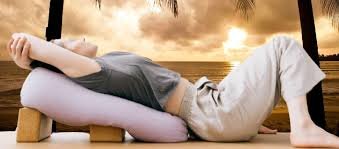
What is Yin Yoga? 10 Benefits of Yin Yoga
Hey there, friend. Picture this: It’s a rainy afternoon, and I’m sprawled on my mat, holding a pose for what feels like forever. No sweat dripping, no heart racing—just me, my breath, and a deep stretch that sneaks up on you. That was my first brush with Yin Yoga about five years ago, back when I was all about high-energy flows. I walked in skeptical, thinking it’d be too slow for my restless self, but I left feeling like I’d unlocked some hidden calm. If you’re curious about this gentle giant of yoga styles, stick around. We’ll dive into what Yin Yoga really is, unpack its top 10 benefits with real insights from my practice and beyond, and even touch on how to get started. Trust me, it’s more powerful than it seems.
What is Yin Yoga?
Yin Yoga is that quiet cousin in the yoga family—slow-paced, with poses held for three to five minutes or longer to target your deeper connective tissues like ligaments and fascia. Unlike faster styles, it’s all about surrender, using gravity and props to ease into stillness while blending ancient Chinese medicine principles like meridians for energy flow. It’s not about building heat or strength but nourishing your body from the inside out, making it perfect for anyone craving balance in a hectic world.
The History Behind Yin Yoga
This practice didn’t just pop up overnight; it draws roots from Taoist philosophy and was popularized in the West by teachers like Paul Grilley in the late ’70s. Blending martial arts insights with yoga asanas, it evolved to counter the yang-heavy lifestyles many of us lead. I love how it’s a modern twist on timeless ideas—think ancient wisdom meeting today’s need for chill.
Key Principles of Yin Yoga
At its core, Yin follows three big rules: find your edge without pushing too far, stay still to let the magic happen, and hold on for the long haul. It’s about patience, tuning into subtle sensations, and letting go of the ego. In my sessions, I’ve learned it’s less about perfect alignment and more about what feels right for your unique body.
Yin Yoga vs. Yang Yoga: What’s the Difference?
Yang styles are your upbeat, muscle-pumping flows—like Vinyasa or Ashtanga—that build heat and strength through movement. Yin flips the script, focusing on passive holds to hydrate joints and calm the mind. It’s like the yin-yang symbol: both complete each other for full harmony.
| Aspect | Yin Yoga | Yang Yoga |
|---|---|---|
| Pace | Slow, held poses (3-5+ mins) | Fast, flowing sequences |
| Focus | Connective tissues, relaxation | Muscles, cardio strength |
| Energy | Cooling, introspective | Heating, energizing |
| Best For | Recovery, flexibility | Building power, endurance |
Yin Yoga vs. Restorative Yoga
While both use props and long holds, Yin aims to stress tissues gently for flexibility, whereas restorative is all about total support and zero effort for pure relaxation. Yin might feel edgy at times; restorative is like a cozy nap. I’ve mixed them up before—ended up way too propped in a Yin class and laughed it off.
10 Benefits of Yin Yoga
Diving into these perks, I’ve seen them play out firsthand. After a tough week, a Yin session leaves me refreshed, not drained. Let’s break down the top 10, each backed by what practitioners and studies highlight.
Benefit 1: Boosts Flexibility
By holding poses longer, Yin stretches fascia deeply, improving your range of motion over time. It’s not instant, but consistent practice melts away tightness. I noticed my forward folds easing up after just a month—subtle, yet game-changing.
Benefit 2: Enhances Joint Mobility
Targeting ligaments and joints, it lubricates them like oiling a rusty hinge, reducing stiffness. Great for aging bodies or desk jockeys. My hips thank me after every class; no more creaky mornings.
Benefit 3: Reduces Stress and Anxiety
The stillness quiets your mind, lowering cortisol levels and promoting parasympathetic rest. One study even showed drops in stress markers. It’s my go-to when life’s chaos hits—breathe deep, and worries fade.
Benefit 4: Improves Circulation
Gentle compression and release in poses pump blood to overlooked areas, aiding nutrient delivery. Better flow means less inflammation. I’ve felt warmer toes post-practice, a small win against cold office feet.
Benefit 5: Balances Energy Flow
Drawing from TCM, it stimulates meridians to unblock qi, harmonizing your inner vibes. Feels woo-woo? Try it—I’ve emerged from sessions with a steady, grounded energy that lasts days.
Benefit 6: Promotes Mindfulness
Long holds force you to observe thoughts without judgment, building present-moment awareness. It’s meditation in motion (or lack thereof). Humor me: It’s like training your brain not to chase every squirrel.
Benefit 7: Aids Emotional Release
Stored tension in tissues can hold emotions; Yin helps let them go gently. Tears in class? Normal—I’ve had breakthroughs that cleared mental fog I didn’t know was there.
Benefit 8: Supports Better Sleep
Calming the nervous system preps you for restful nights, easing insomnia. Props make it cozy too. Since starting, my sleep’s deeper—no more tossing over tomorrow’s to-dos.
Benefit 9: Benefits Skin Health
By reducing stress and boosting hydration via fascia work, it can plump skin naturally. One angle links it to hyaluronic acid stimulation. Not a miracle, but my glow-up post-Yin feels real.
Benefit 10: Complements Active Lifestyles
For runners or gym-goers, it counters overuse, preventing injuries. Balances yang activities perfectly. As someone who loves hikes, Yin’s my recovery secret—keeps me moving without burnout.
Pros of Yin Yoga:
- Accessible for all levels
- Low-impact, joint-friendly
- Builds mental resilience
Cons of Yin Yoga:
- Can feel boring initially
- Not ideal for building muscle
- Requires patience to see results
How to Practice Yin Yoga at Home
Getting started is simple: Grab a quiet space, dim lights, and cue up soft music. Focus on breath—inhale calm, exhale release. Build from basic poses, listening to your body to avoid strain.
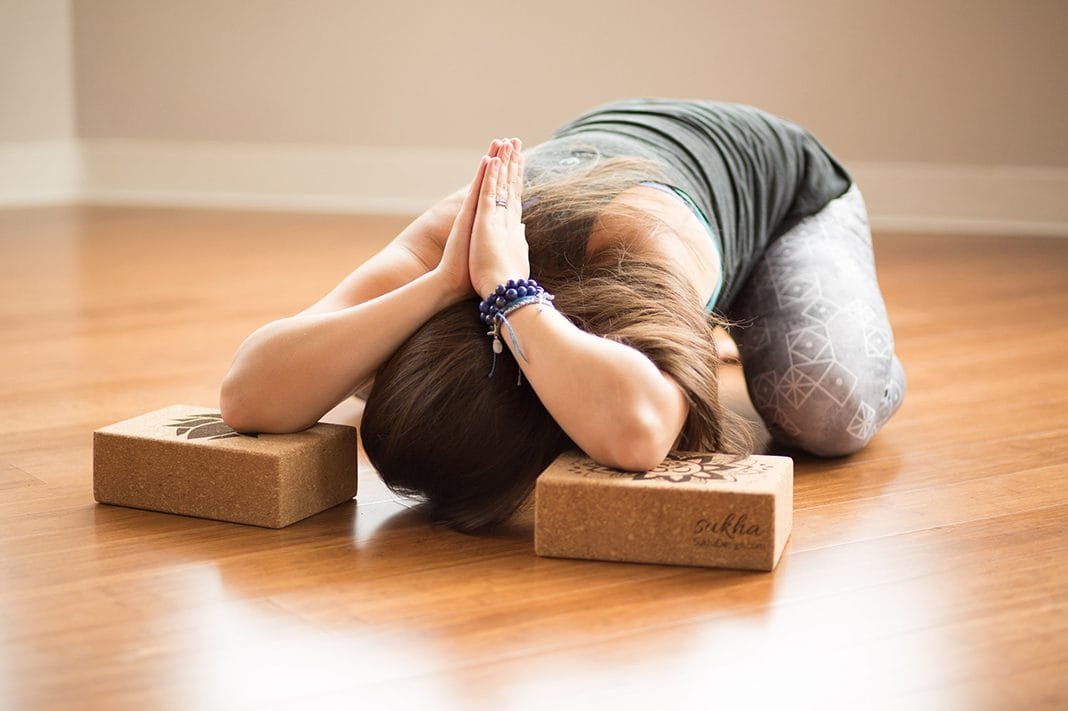
- Child’s Pose: Kneel, fold forward, arms extended—hold for 3 minutes.
- Butterfly: Soles together, knees out, lean forward gently.
- Sphinx: On belly, elbows under shoulders, chest lifted.
- Sleeping Swan: One leg forward, other back, fold over.
- Corpse Pose: Lie flat, relax everything—end here always.
For deeper dives, check our guide on Yin Yoga Poses for Beginners. Externally, explore sequences at Yoga Journal.
Best Props for Yin Yoga
Props aren’t cheats—they’re allies, helping you settle deeper without force. Start with basics like blocks for support or bolsters for comfort. They make holds sustainable, especially if flexibility’s a work in progress.
| Prop | Use | Recommended Brand |
|---|---|---|
| Bolster | Supports spine in reclines | Manduka |
| Blocks | Elevates hips in seats | Cork options from Gaiam |
| Strap | Extends reach in forwards | Hugger Mugger |
| Blanket | Cushions knees | Affordable wool blends |
Pros of Using Props:
- Customizes poses to your body
- Prevents injury
- Enhances relaxation
Cons:
- Can add cost initially
- Might feel bulky at first
For top picks, I swear by Manduka’s bolsters—durable and just right. Shop them on Amazon.
Where to Find Yin Yoga Classes
Whether online or local, options abound. Apps like Alo Moves offer on-demand sessions, while studios provide community vibes. Search “Yin Yoga classes near me” for spots—I’ve found gems in unexpected places.
Online Platforms:
- Yoga International: Guided videos for all levels.
- YouTube: Free classes from channels like Yoga with Adriene.
In-Person: Check sites like Mindbody for schedules. Locally, places like Citizen Yoga in Bloomfield shine.
People Also Ask
From Google’s queries, here’s what folks wonder—straight from searches like yours.
Is Yin Yoga Good for Beginners?
Absolutely, its gentle nature welcomes newbies. No fancy moves; just hold and breathe. I started as a total novice and felt empowered, not overwhelmed.
What’s the Difference Between Yin and Restorative Yoga?
Yin stresses tissues for mobility; restorative focuses on full support for healing. Both relaxing, but Yin’s got that subtle edge.
Can Yin Yoga Help with Back Pain?
Yes, poses like Sphinx release lower back tension. I’ve eased my own aches—consult a doc first, though.
How Often Should You Do Yin Yoga?
Two to three times weekly balances well. More if recovering; less if pairing with yang styles.
FAQ
What Should I Wear to Yin Yoga?
Comfy layers—think loose pants and a soft top. Socks for warmth, as it can get chilly in holds.
Is Yin Yoga Safe During Pregnancy?
With modifications, yes—use props galore. Always check with your healthcare provider first.
How Long Are Typical Yin Poses?
Three to five minutes, sometimes up to 10. It’s the sweet spot for tissue benefits.
Can Yin Yoga Replace Cardio?
No, it’s complementary. Pair it with walks or flows for a rounded routine.
Does Yin Yoga Burn Calories?
Not many—it’s low-intensity. Focus on recovery over weight loss here.
Wrapping up, Yin Yoga’s that underrated friend who surprises you with depth. From boosting flexibility to melting stress, its benefits have reshaped my wellness game. Give it a shot; you might just find your new favorite way to unwind. What’s your take—ready to try?