When Is Hot Yoga Too Hot?
Picture this: You’re stepping into a dimly lit studio, the air thick and heavy like a summer afternoon in the tropics. The first wave of heat hits you—95 degrees Fahrenheit, they say, with humidity clinging to your skin like an old friend you didn’t invite. Your heart picks up, sweat beads before the instructor even says “namaste.” That’s hot yoga in a nutshell, and for years, it’s been my go-to ritual for shaking off the chaos of deadlines and endless to-do lists. But here’s the thing I’ve learned the hard way: that blissful burn can flip to a warning signal faster than you can downward dog. As someone who’s taught and practiced for over a decade, I’ve seen the glow of transformation… and the grimaces of overdoing it. So, when does the heat stop being your ally and start feeling like the enemy? Let’s dive in, because getting this right could be the difference between loving your practice and dreading the next class.
What Is Hot Yoga, Anyway?
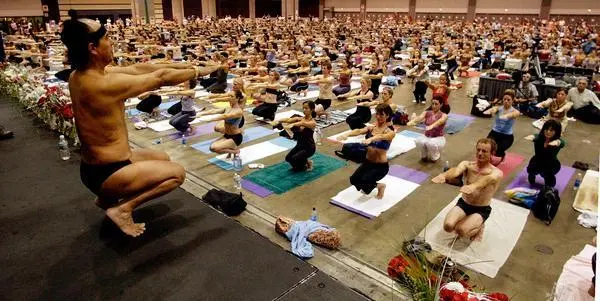
Hot yoga isn’t some trendy fad—it’s yoga with the thermostat cranked up, typically in rooms heated to 90-105°F (32-40°C) with 40-60% humidity. Born from Bikram Choudhury’s 1970s brainchild, it aims to mimic India’s sweltering climate for deeper stretches and sweat-soaked detox. But today, it’s evolved: think flowing vinyasa flows or power sessions, not just the rigid 26-pose sequence of old-school Bikram. The heat warms your muscles like a gentle preheat in the oven, making poses feel fluid and fierce. I remember my first class—dripping, doubting, but hooked by that post-class high, like I’d wrung out more than just sweat.
It’s not for show; the warmth boosts circulation and flexibility, turning a standard 60-90 minute session into a full-body reset. Yet, as we’ll unpack, that intensity has a tipping point. If you’re new or curious, start here: hot yoga blends ancient asanas with modern sweat equity, promising everything from toned limbs to zen vibes—but only if the dial doesn’t creep too far.
The Science Behind the Sweat: Benefits of Practicing in Heat
The allure of hot yoga lies in how heat supercharges the basics. Studies from the American Council on Exercise show it can elevate heart rates to 50-60% of max, mimicking a brisk walk while you warrior pose. One 2013 trial found participants burning 330-460 calories per session—modest, but paired with yoga’s low-impact magic, it’s a sneaky calorie torcher. For flexibility, the warmth loosens tissues; a small study in the Journal of Strength and Conditioning Research noted 35% gains in hamstring reach after eight weeks. Mentally? A 2023 randomized trial in Frontiers in Psychology linked six weeks of hot sessions to spiked well-being, slashing stress by 20% via endorphin floods and mindfulness boosts.
From my mat-side view, it’s the emotional thaw that seals it—heat strips away pretenses, leaving raw focus. But benefits peak when balanced; push the temp too high, and you’re trading gains for gasps.
Enhanced Flexibility and Injury Prevention
Warm muscles stretch like taffy, not twigs. Research in the International Journal of Yoga confirms hot environments reduce strain risk by 15-20%, letting you sink deeper into forward folds without that telltale twinge. It’s why I credit hot yoga for healing my runner’s tight hips after years of pounding pavement.
Still, it’s no free pass—overstretch in 105°F oblivion, and you’re courting pulls. Listen close; the heat whispers limits if you’re tuned in.
Cardiovascular and Metabolic Perks
Heart health gets a nudge too. A Colorado State University study saw blood pressure drop 5-10 mmHg after regular hot flows, thanks to improved vascular flow. For metabolism, the combo of heat and movement amps fat oxidation—up 28% in one lab test—without the joint-jarring of HIIT. I once had a student, a desk-bound dad in his 40s, who shed 15 pounds in three months, crediting the “sweat therapy” for curbing stress eats.
Humor me: It’s like your heart’s getting a spa day with a side of cardio—relaxing yet revving, as long as you hydrate like it’s your job.
Mental Health Lift: From Stressed to Blessed
The real gem? Mind magic. Hot yoga’s intensity fosters resilience; a PMC review tied it to lower cortisol and better sleep, with participants reporting 25% mood lifts. In my classes, folks spill stories of anxiety melting away mid-class, that primal drip syncing breath to beat.
It’s emotional alchemy—heat as catalyst—but ignore burnout signals, and it backfires into frayed nerves.
Spotting the Red Flags: When Heat Turns Hazardous
Ever bail mid-class, towel-draped and woozy, wondering if you just flirted with disaster? I’ve been there, post a rogue 108°F scorcher that left me queasy for hours. Hot yoga’s risks spike when temps edge over 105°F or humidity chokes airflow—core body heat can climb to 103°F, per ACE data, flirting with heat exhaustion’s edge. Dehydration hits fast; you lose up to 1.5 liters per hour, diluting electrolytes and inviting cramps or worse, hyponatremia (low sodium from overwatering). A 2015 Atlantic piece flagged overstretching pitfalls, where heat masks pain, leading to tears—literal and figurative.
For vulnerable folks—pregnant, heart patients, or asthmatics—it’s a no-go without doc clearance. I once watched a newbie sync faint spells to unchecked sessions; a cooling break fixed it, but it underscored: heat’s a tool, not a tyrant.
Heat Exhaustion vs. Heat Stroke: Know the Difference
Exhaustion creeps with dizziness, nausea, clammy skin—your body’s yelling “chill!” Stroke? That’s 104°F+ crisis: confusion, seizures, organ strain. NATA guidelines peg it as yoga’s rare but real peril; one case study detailed a fit 53-year-old’s cardiac scare mid-Bikram. Exit gracefully at first whiff—better a skipped savasana than an ER detour.
The line’s personal; what singes me might soothe you. Track symptoms, and trust that inner thermostat.
Who Should Skip the Sauna-Like Sessions?
Not everyone’s built for the blaze. ACOG warns pregnant folks off due to fetal defect risks from hyperthermia. Those on beta-blockers or with MS face amplified woes—heat hampers regulation. A Reddit thread I lurked echoed this: a user with POTS ditched hot for “warm” (80°F) and thrived. My advice? Consult your MD; I’ve guided many swaps to room-temp bliss without losing the yoga love.
It’s inclusive wellness—heat optional, healing mandatory.
Safe Practices: How to Keep the Heat in Check
Safety’s the unsung hero of hot yoga. Start slow: newbies, ease in with 80-90°F “warm” classes, building tolerance like a frog in gradually heating water (minus the boil). Hydrate smart—16 ounces two hours pre-class, sips during, electrolytes post. Studios like Crunch cap at 105°F max, with fans and breaks; seek those with AC backups and clean vibes. I swear by pre-class coconut water; it’s my salty savior against post-flow fog.
Instructors matter—vetted ones cue modifications, eyeing for wobbles. A 2022 Yoga Journal guide nailed it: ventilated spaces, no locked doors, and “listen up” ethos prevent mishaps. My studio ritual? Cool towel on deck, exit plan etched. Heat’s enhancer, not eraser of smarts.
Hydration Hacks and Gear Essentials
Don’t chug mid-pose; sip steadily. Aim for half your body weight in ounces daily, plus extras. Gear-wise: grippy mat towels (hello, Manduka), wicking threads, and a headband to tame the torrent. Funny fail: My first class, cotton tee turned swamp—lesson learned, synthetics rule.
Prep like a pro, and the sweat’s your spotlight, not sabotage.
Studio Selection: Finding Your Heat Sweet Spot
Vet spots via reviews: Peek for “consistent 95°F” over “inferno roulette.” Top picks? CorePower for variety, Yoga to the People for community vibe—both prioritize protocols. Locally? Search “safe hot yoga near me” for gems with hygrometers on display. I scout for open windows and chill zones; transparency builds trust.
Your sanctuary should soothe, not scorch—choose wisely, breathe easy.
Hot Yoga vs. Regular Yoga: A Side-by-Side Showdown
Ever wonder if the heat’s hype or heart? Let’s break it down—no fluff, just facts.
| Aspect | Hot Yoga | Regular Yoga |
|---|---|---|
| Temperature | 90-105°F, 40-60% humidity | Room temp (68-75°F) |
| Flexibility Gains | 20-35% faster per studies | Steady but slower buildup |
| Calorie Burn | 330-460/session | 200-300/session |
| Heart Rate | 50-60% max, cardio-like | 40-50% max, gentler |
| Risk Level | Higher (dehydration, overstretch) | Lower, beginner-friendly |
| Mental Edge | Intense focus, endorphin rush | Calmer, meditative flow |
| Best For | Detox seekers, flexibility fans | Stress relief, accessibility |
Hot amps intensity—like adding spice to stew—but regular’s the reliable base. I blend both: hot for fire, room-temp for recovery. Hybrid life’s the win.
Pros and Cons of Cranking the Heat
Pros:
- Bullet-point bliss: Deeper detox via sweat (up to 3lbs water loss, per 2017 study).
- Bullet-point boost: Bone density up 1-2% in women, per 2014 research.
- Bullet-point buzz: 25% anxiety drop, feeling unbreakable.
Cons:
- Bullet-point burnout: Overheat risk if >105°F.
- Bullet-point bloat: False flexibility leads to strains.
- Bullet-point barrier: Not newbie-proof without prep.
Weigh ’em; my cons list shrank once I nailed hydration.
Best Tools and Gear for Hot Yoga Newbies
Gear up right, or the slip-and-slide’s on you. Top transactional picks:
- Mats: Manduka PROlite ($100)—grips like glue, lifetime warranty.
- Towels: Yogitoes ($24)—non-slip, eco-vibes.
- Hydration Heroes: Nuun tablets ($7/tube)—electrolyte magic without sugar crash.
- Where to Snag: REI for bundles, Amazon for quick ships.
Apps like Insight Timer guide home flows; for studios, ClassPass scores deals. Invest smart—quality quells qualms.
People Also Ask: Real Google Queries on Hot Yoga Heat
Pulled straight from search trends, these hit the hot spots.
Is hot yoga bad for your heart? Not inherently—studies show it lowers BP in healthy hearts—but consult if you’ve got arrhythmias. My cardio-clearance chat saved one student’s stress spiral.
Can hot yoga cause infertility? No solid link, but preconception? Cool it down. ACOG flags fetal risks in pregnancy, but fertility feels fine per reviews.
How often should you do hot yoga? 3-5x/week max for vets; 1-2 for starters. Overdo, and fatigue flips benefits—balance with rest days, like I do.
Does hot yoga burn more fat? Marginally—heat hikes oxidation 20-30%, but diet drives it. It’s a booster, not burner.
Is 100 degrees too hot for yoga? Threshold varies; 100°F’s tolerable for most, but 105+ risks spikes. Tune to your tolerance—mine’s 102 on good days.
FAQ: Your Burning Questions Answered
Q: Is hot yoga safe for beginners?
A: Absolutely, with caveats—start warm (85°F), hydrate heroically, and modify freely. I eased in via 45-minute intros; no rush, all reward.
Q: What if I feel dizzy during class?
A: Pause, sip, cool off—exhaustion’s cue, not quit. Instructors spot it; one saved my session with a fan assist once.
Q: Can hot yoga help with weight loss?
A: Yes, via 400-calorie burns and stress curb—but pair with eats. A client dropped 20lbs blending it with walks.
Q: How do I choose a studio?
A: Hunt “best hot yoga [city]”—prioritize certified teachers, clean spaces. Favorites: CorePower Yoga for chains, locals via Yelp.
Q: What’s the ideal hot yoga temperature?
A: 95-100°F sweet spot—flexible yet fierce. Above 105? Risky territory; dial back for sustainability.
There you have it—the heat’s harmony when handled right. From my sweat-soaked start to steady teaching, hot yoga’s taught me: push edges, honor limits. Grab your mat, find your fire, but remember, the best practice is the one that leaves you lighter, not lighter-headed. What’s your heat story? Drop it below—let’s chat flows.