Yin Yoga And The Myth That Ashtanga is Yang
I remember my first brush with yoga myths back in my early twenties. I’d just started practicing Ashtanga after a friend dragged me to a class, promising it’d whip me into shape. Sweaty and exhausted, I thought, “This is pure fire—total yang energy.” Then, years later, I tried Yin Yoga during a rough patch with back pain, sinking into those long holds like a sigh of relief. It felt so opposite, so nurturing. But as I dug deeper, I realized the whole “Ashtanga is yang, Yin is yin” label was oversimplified. It’s like calling coffee hyper and tea mellow—sure, but both can surprise you. In this article, we’ll unpack Yin Yoga, explore Ashtanga, and bust that myth wide open, drawing from my own mat mishaps and what I’ve learned teaching others.
What is Yin Yoga?
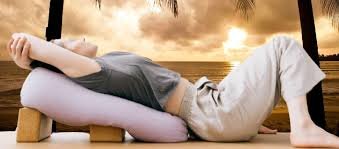
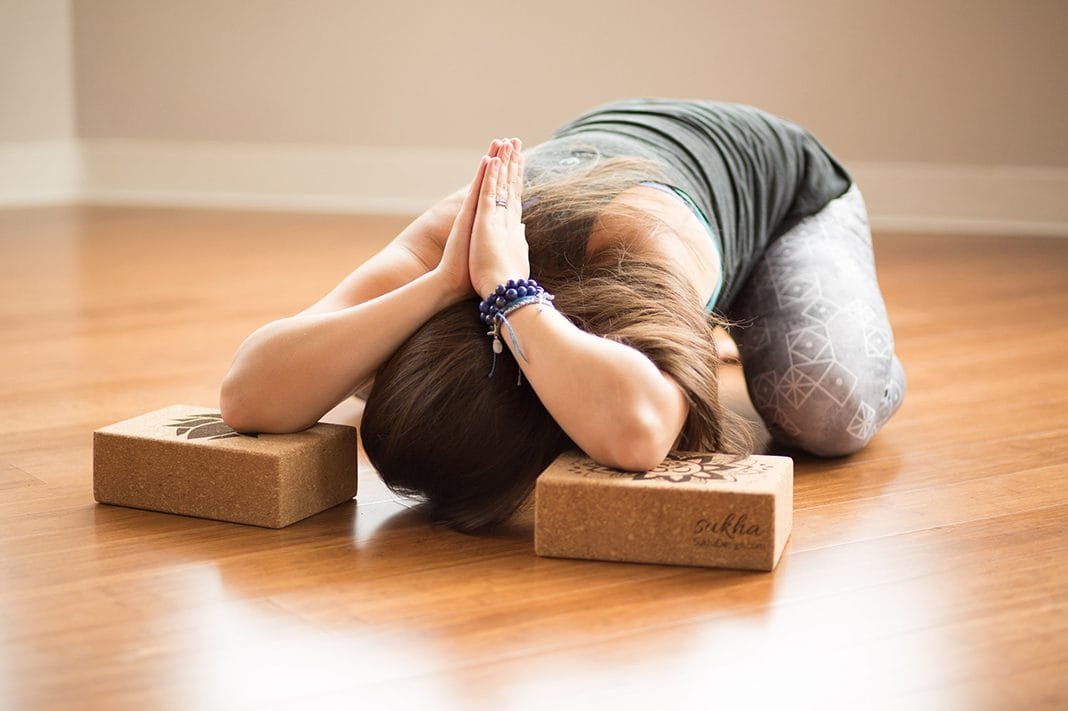
Yin Yoga is that quiet friend in the yoga world who doesn’t rush you but still gets under your skin—in a good way. It’s all about holding poses for minutes at a time, often seated or lying down, to gently stress the connective tissues like ligaments and fascia. Unlike faster styles, it invites you to relax into discomfort, breathing through it to release tension you didn’t even know was there.
This practice draws from Taoist principles, targeting the body’s yin tissues that thrive on slow, sustained pressure rather than quick reps. If you’ve ever felt stiff after a long day at a desk, Yin can be a game-changer, improving flexibility without the burn.
Origins of Yin Yoga
Paulie Zink, a martial arts expert, kicked things off in the 1970s by blending yoga with Taoist ideas, but it was Paul Grilley and Sarah Powers who popularized it in the West. They emphasized long holds to stimulate chi flow, making it accessible for modern folks craving calm. Today, it’s a staple in studios worldwide, often as a counterbalance to our hectic lives.
Key Principles of Yin Yoga
At its core, Yin Yoga follows three rules: find your edge without pushing past it, stay still to let gravity do the work, and hold for time—usually three to five minutes per pose. It’s less about perfect alignment and more about inner awareness. This mindfulness aspect can feel meditative, almost like therapy on a mat.
- Benefits for Joint Health: Enhances mobility by hydrating connective tissues.
- Stress Relief: Lowers cortisol through deep breathing and relaxation.
- Improved Circulation: Gentle compression boosts blood flow to neglected areas.
- Mental Clarity: Encourages presence, reducing anxiety over time.
For more on Yin’s foundations, check out YinYoga.com, a great resource for beginners.
Understanding Ashtanga Yoga
Ashtanga Yoga is like a well-choreographed dance—vigorous, precise, and flowing with your breath. Developed by K. Pattabhi Jois in the 20th century, it follows fixed sequences of postures linked by vinyasas, building heat and strength through repetition. It’s demanding but rewarding, often practiced six days a week in the traditional Mysore style.
Rooted in ancient texts like the Yoga Sutras, it emphasizes bandhas (energy locks) and drishti (gaze points) to focus the mind. I once tweaked my knee rushing through a sequence, learning the hard way that patience is key even in this dynamic practice.
The Six Series of Ashtanga
Ashtanga unfolds in six progressive series, starting with the Primary for purification, then Intermediate for nerve cleansing, and advanced ones for mastery. Each builds on the last, but most folks stick to the first two. It’s not just physical; it’s a path to self-discipline.
Why Ashtanga Appeals to Many
People flock to Ashtanga for its structure— no guessing what comes next—which can be comforting in chaotic times. It builds endurance and detoxifies through sweat, but beware: skipping warm-ups can lead to injury, as I hilariously discovered slipping in my own perspiration puddle once.
The Concept of Yin and Yang in Yoga
In yoga, yin and yang aren’t just symbols; they’re energies balancing our practice and life. Yang is active, solar, and muscular—like powering through a flow—while yin is passive, lunar, and connective, fostering surrender. Together, they create harmony, much like day needs night.
This duality comes from Chinese philosophy, where everything has opposites that interconnect. In yoga terms, yang styles energize, yin restores. I’ve felt that shift myself, switching from a heated class to Yin and suddenly sleeping like a baby.
How Yin and Yang Complement Each Other
Yang practices build heat and strength, prepping the body for yin’s deeper release. Without balance, you might burn out or stay too stagnant. It’s like eating only spicy food—exciting, but you’ll crave something cooling eventually.
Signs of Imbalance in Practice
If you’re always wired post-yoga, too much yang; if sluggish, excess yin. Listen to your body: fatigue signals need for yin, restlessness for yang. A balanced routine keeps you steady, avoiding those “why am I so cranky?” moments.
Debunking the Myth: Is Ashtanga Really Just Yang?
Ah, the myth that Ashtanga is all yang—fiery, aggressive, no room for softness. But hold on; while it’s dynamic, it has yin moments too, like the holds in poses and the meditative breath focus. It’s relative: compared to powerlifting, Ashtanga feels yin; next to meditation, it’s yang.
From my experience, after years of Ashtanga, I noticed how the stillness in transitions built introspection, not just sweat. Experts like David Keil from Yoganatomy echo this—it’s not black and white. The myth persists because folks see the vinyasas and miss the subtle yin undertones.
Evidence from Practitioners
Many Ashtanga teachers incorporate yin elements, like longer savasanas or restorative tweaks for injuries. In forums like Reddit, users share how the practice evolves into something more receptive over time. It’s not rigid; it’s adaptive.
Why the Label Persists
Social media highlights the intense side—handstands and binds—ignoring the quiet discipline. But as Bernie Clark notes, all yoga blends yin-yang; labeling limits us. Chuckle-worthy: I once called Ashtanga “yang on steroids” until a gentle hold healed my ego.
Comparison: Yin Yoga vs. Ashtanga Yoga
Yin and Ashtanga sit at opposite ends but meet in the middle for balance. Yin is slow, floor-based, targeting fascia; Ashtanga is fast, standing-heavy, building muscle. One cools, the other heats—perfect partners for a well-rounded routine.
Here’s a quick table to break it down:
| Aspect | Yin Yoga | Ashtanga Yoga |
|---|---|---|
| Pace | Slow, holds 3-5 mins | Fast, flowing sequences |
| Focus | Connective tissues, relaxation | Muscles, strength, breath |
| Energy | Yin (passive) | Blend of yang with yin elements |
| Best For | Recovery, flexibility | Endurance, discipline |
In pros and cons:
Yin Yoga Pros:
- Deep relaxation
- Joint health boost
- Accessible for beginners
Yin Yoga Cons:
- Can feel boring initially
- Less cardio benefit
Ashtanga Pros:
- Builds stamina
- Structured progression
- Mental focus sharpens
Ashtanga Cons:
- Risk of overuse injuries
- Intimidating for newbies
For a deeper dive, link to our internal guide on yoga styles.
Benefits of Combining Yin and Ashtanga
Pairing them is like peanut butter and jelly—unexpected but genius. Ashtanga’s vigor preps muscles for Yin’s deep stretches, preventing injuries and enhancing recovery. Emotionally, it balances drive with calm, reducing burnout.
I started alternating days: Ashtanga for energy, Yin for unwind. Result? Better sleep, fewer aches, and a happier mindset. Studies on yoga hybrids show improved flexibility and stress reduction—win-win.
Practical Tips for Integration
Start with Ashtanga in the morning for a kickstart, Yin evenings to decompress. Use props in both for support. Track how you feel; adjust as needed.
Real-Life Examples
A student of mine, a runner, added Yin to her Ashtanga routine and ditched chronic tightness. It’s proof: balance breeds breakthroughs, with a side of “aha” moments.
How to Incorporate Both into Your Practice
Getting started? Begin with basics. For Yin, try online classes on platforms like Alo Moves. Ashtanga? Find a Mysore studio via Ashtanga.com.
Where to get classes: Local spots like YogaWorks offer both; apps like Glo provide on-demand. Best tools: Manduka mats for grip in Ashtanga, bolsters from Hugger Mugger for Yin support—essential for comfort.
- Beginner Sequence: Alternate Sun Salutations (Ashtanga) with Butterfly Pose (Yin).
- Props Needed: Blocks, straps, blankets.
- Apps for Guidance: Insight Timer for timers, Down Dog for sequences.
Link to our best yoga props review for transactional picks.
People Also Ask
From Google searches, here are real questions folks ponder:
What is the main difference between Yin and Ashtanga Yoga?
Yin is passive and restorative, focusing on long holds for connective tissues, while Ashtanga is active with set flows for strength.
Is Yin Yoga good for beginners?
Absolutely—it’s gentle, no prior experience needed, and builds flexibility slowly.
Can Ashtanga Yoga help with weight loss?
Yes, its cardio element burns calories, but pair with diet for best results.
What are the benefits of Yin Yoga for mental health?
It reduces anxiety through mindfulness and deep breathing, promoting calm.
How often should I practice Ashtanga?
Traditionally six days a week, but start with three to avoid overload.
FAQ
Is Ashtanga Yoga only for advanced practitioners?
No, beginners can start with modified Primary Series under guidance. It’s scalable, building as you go.
What props do I need for Yin Yoga?
Bolsters, blankets, and blocks help support long holds comfortably. Brands like Manduka are reliable.
Can combining Yin and Ashtanga prevent injuries?
Yes, Yin’s recovery complements Ashtanga’s intensity, improving overall resilience.
Where can I learn more about Yin-Yang balance in yoga?
Books like “The Complete Guide to Yin Yoga” by Bernie Clark are excellent starts.
Is there a best time of day for each practice?
Ashtanga mornings for energy; Yin evenings for relaxation—listen to your body.
In wrapping up, ditching the myth opens doors to a richer practice. Whether you’re sweating through Ashtanga or melting in Yin, it’s about balance. Give it a try; your body (and mind) will thank you.